
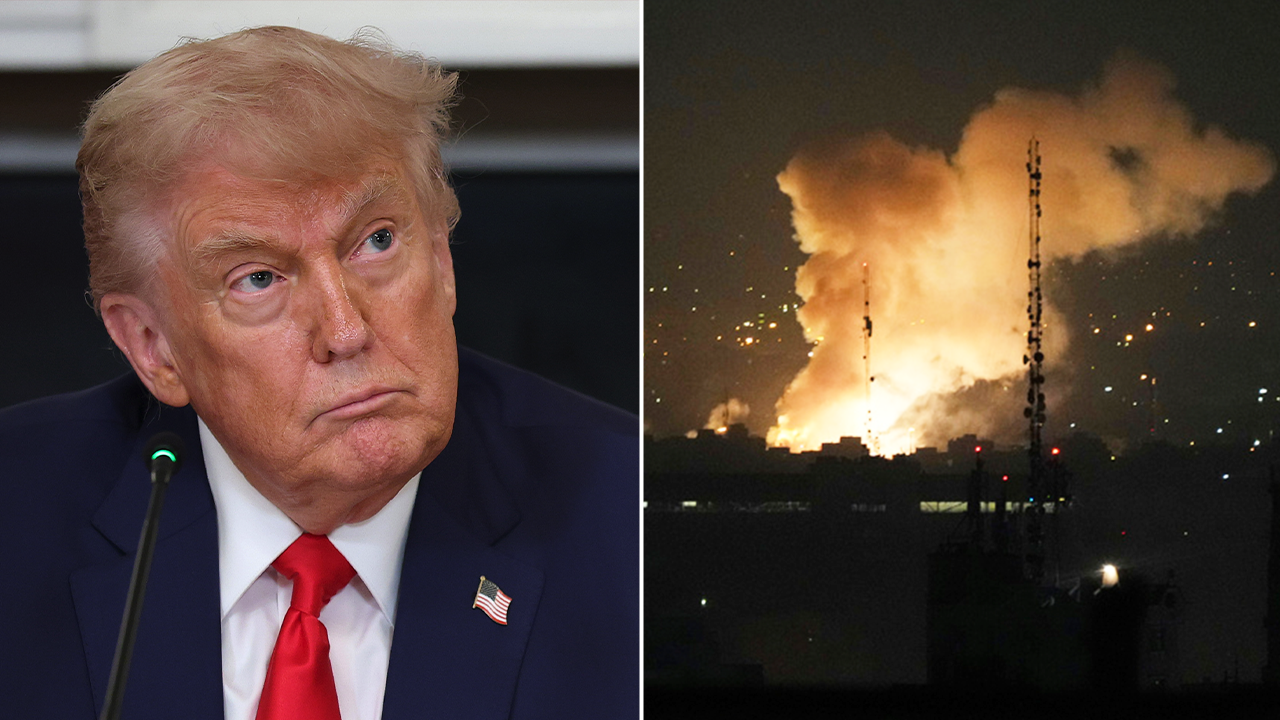
The geopolitical landscape of the Middle East remains precariously balanced as the United States and Iran navigate a fragile ceasefire following a period of intense military escalation. As of April 9, 2026, diplomatic efforts have shifted to Geneva, where negotiators are attempting to transform a tentative halt in hostilities into a durable nuclear peace agreement.
The current diplomatic push, known as Round 3 of the 2025–2026 Iran–United States negotiations, began on March 30, 2026 and has continued for nine days via official records. These talks follow a series of devastating events, including the Twelve-Day War and the broader 2026 Iran war, which saw military strikes impacting a wide array of regional actors and infrastructure.
For the Trump administration, the stakes are high. The transition from military buildup to the negotiating table has been marked by significant volatility, as the U.S. Attempts to secure a comprehensive agreement that addresses both nuclear proliferation and regional security. The fragility of the current ceasefire is underscored by the scale of the preceding conflict, which involved strikes across multiple nations, including Saudi Arabia, the United Arab Emirates, Qatar, Kuwait, Bahrain, Jordan, and Israel via official records.
A Timeline of Diplomacy: From Muscat to Geneva
The road to the current ceasefire has been long and fragmented, spanning over a year of intermittent dialogue and escalating tensions. The diplomatic process has been divided into three distinct rounds, each reflecting the shifting temperature of the conflict.

The first round of negotiations commenced on April 12, 2025, and lasted 62 days, concluding on June 13, 2025, with talks hosted at the Al Alam Palace in Muscat, Oman via official records. While these initial talks sought to establish a baseline for a nuclear peace agreement, the subsequent months saw a return to hostility and a significant U.S. Military buildup in the region.
Tensions peaked again in early 2026, leading to a second round of negotiations from February 6, 2026, to February 28, 2026 via official records. These 22 days of talks took place at the Embassy of the Sultanate of Oman in Rome, Italy, but failed to prevent the outbreak of the 2026 Iran war and the associated massacres and strikes on military facilities, including British sites at Akrotiri and Dhekelia.
The third and current round, which began on March 30, 2026, in Geneva, Switzerland, represents the most urgent attempt to stabilize the region. Negotiators are now working under the shadow of a precarious ceasefire, attempting to resolve the core issues that triggered the 2026 conflict.
The High-Stakes Players in the Nuclear Peace Agreement
The composition of the negotiating teams reveals the importance the U.S. And Iranian governments have placed on these talks, utilizing a mix of career diplomats and close presidential advisors.
The United States delegation is led by Special Envoy Steve Witkoff and includes presidential advisor Jared Kushner, Director of Policy Planning Michael Anton, and CENTCOM commander Brad Cooper via official records. The inclusion of the CENTCOM commander suggests that military security guarantees remain a central pillar of the U.S. Strategy.
Representing Iran are Foreign Minister Abbas Araghchi, Deputy Foreign Minister Majid Takht-Ravanchi, and Ali Larijani of the Supreme National Security Council via official records. The presence of Larijani indicates that the Iranian leadership is involving its highest security apparatus in the finalization of the ceasefire terms.
The primary objective of these participants is to reach a nuclear peace agreement that would potentially replace the defunct Joint Comprehensive Plan of Action (JCPOA), from which the U.S. Withdrew in 2018. However, the current negotiations are complicated by the recent history of attacks on U.S. Bases and the broader regional instability resulting from the Gaza war and the Red Sea crisis.
Regional Fallout and Internal Iranian Instability
The ceasefire is not merely a bilateral agreement but a necessity driven by severe internal and external pressures. For Iran, the cost of the 2026 war has been compounded by a deepening domestic crisis.
Tehran is currently grappling with a severe financial crisis that began in 2024 and has persisted into 2026 via official records. This economic collapse has fueled widespread internal unrest, with 2025–2026 Iranian protests creating a volatile atmosphere within the country. The intersection of economic misery and the aftermath of the 2026 Iran war has left the Iranian government in a vulnerable position, potentially increasing its urgency to secure a deal that provides economic relief.
Regionally, the conflict has left a trail of destruction. Verified reports indicate Iranian strikes targeted facilities in Azerbaijan, Turkey, Syria, and several Gulf states, including the Aramco refinery in Saudi Arabia via official records. The breadth of these attacks has made the current ceasefire essential for the survival of regional trade and energy stability.
| Round | Dates | Duration | Venue |
|---|---|---|---|
| Round 1 | April 12, 2025 – June 13, 2025 | 62 days | Muscat, Oman |
| Round 2 | February 6, 2026 – February 28, 2026 | 22 days | Rome, Italy |
| Round 3 | March 30, 2026 – Present | 9 days (as of April 9) | Geneva, Switzerland |
As the Geneva talks continue, the international community remains watchful. The transition from the violence of the Twelve-Day War to a sustainable peace depends on whether the U.S. And Iran can reconcile their conflicting demands regarding nuclear capabilities and regional influence.
The next critical checkpoint will be the conclusion of the current Round 3 sessions in Geneva, where negotiators are expected to either announce a breakthrough in the nuclear peace agreement or face a potential collapse of the fragile ceasefire.
World Today Journal encourages readers to share this report and leave their thoughts on the current diplomatic efforts in the comments section below.