
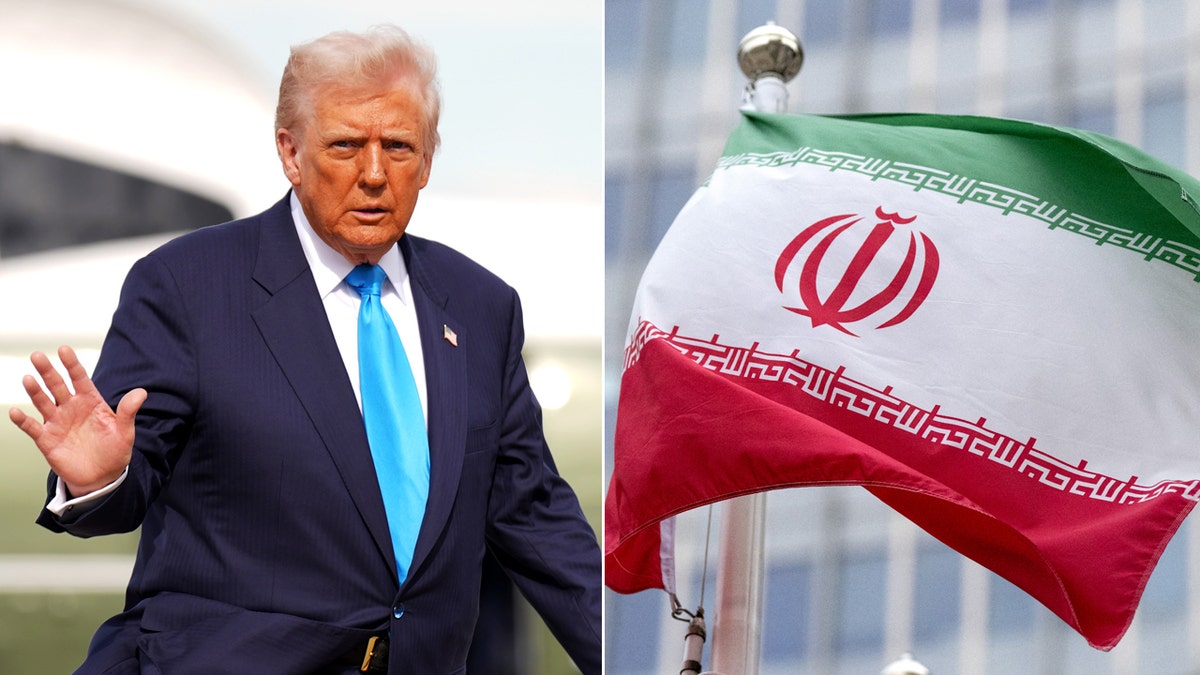
Recent reports circulating in international media suggest that diplomatic channels between Washington and Tehran may have explored a potential framework for a 60-day extension of existing de-escalation measures. As these discussions unfold, the global community remains attentive to the delicate balance of power in the Middle East, particularly as the incoming U.S. Administration prepares for its transition. The prospect of a temporary understanding regarding regional hostilities underscores the persistent efforts by various stakeholders to prevent broader conflict, even amid a climate of high geopolitical volatility.
In my fourteen years of covering international affairs from Sofia to the broader Balkans and beyond, I have learned that the intersection of back-channel diplomacy and public posturing is rarely straightforward. While various outlets have pointed toward a provisional agreement, the nature of such “understandings” in U.S.-Iran relations is inherently complex, often involving fragile consensus that remains subject to the shifting priorities of leadership transitions and domestic political pressures in both capitals. As noted by the U.S. Department of State, maintaining open lines of communication remains a stated priority, though the specifics of any current operational agreement are rarely publicized in detail.
The Context of De-escalation Efforts
The current discussions regarding a potential 60-day window for regional calm are framed against a backdrop of long-standing tensions. For observers of Middle Eastern geopolitics, the pattern of temporary arrangements is a familiar, if frequently criticized, tool of crisis management. These arrangements—often characterized by informal, “non-paper” understandings—are designed to provide a buffer against rapid escalation while avoiding the political hurdles of formal treaties that would require legislative ratification.
The effectiveness of such measures depends heavily on the willingness of both Washington and Tehran to adhere to the informal terms. According to analysis from the International Crisis Group, which monitors regional stability, the primary objective of these intermittent de-escalation efforts is typically to freeze the status quo, thereby creating space for more comprehensive, albeit elusive, long-term diplomatic engagement. The 60-day timeframe, if accurate, aligns with typical intervals used in international mediation to assess compliance and maintain momentum.
Navigating the Transition and Political Hurdles
A recurring element in the latest reports is the mention of the transition within the U.S. Executive branch. In international relations, the period between an election and an inauguration—or the initial months of a new administration—is often a time of strategic uncertainty. For Tehran, assessing the direction of a new U.S. Policy toward the region is paramount. For Washington, the challenge lies in balancing the maintenance of regional stability with the stated policy objectives of the incoming administration.
It is important to emphasize that any “understanding” at this stage is widely viewed by analysts as a placeholder. The White House transition team has historically maintained a cautious approach to ongoing foreign policy commitments, often subjecting existing informal arrangements to rigorous review. Any suggestion that an agreement is “awaiting approval” reflects the reality that in the world of high-stakes diplomacy, nothing is final until it is officially codified or consistently demonstrated through action by the highest levels of government.
What This Means for Regional Stability
For the citizens living in the affected regions, the difference between an escalation of hostilities and a period of managed tension is profound. The impact of such diplomatic maneuvers is felt in the stability of trade routes, the security of humanitarian corridors, and the overall climate for regional development. As reported by the United Nations, the primary concern for the international community remains the protection of civilians and the prevention of a wider conflict that could destabilize the global energy market and exacerbate existing humanitarian crises.
The following table outlines the key elements that typically define these periods of managed tension:
| Factor | Description |
|---|---|
| Duration | Typically set in short-term blocks (e.g., 60 days) to allow for frequent reassessment. |
| Nature of Agreement | Informal, often relying on “gentlemen’s agreements” rather than binding treaties. |
| Primary Goal | Preventing immediate, large-scale military escalation. |
| Key Constraint | Highly susceptible to domestic political shifts and changes in regional leadership. |
Looking Ahead: The Path of Diplomacy
As we move forward, the focus will likely shift to the formalization of policy under the new U.S. Administration. The international community will be watching for signs of whether these temporary de-escalation measures will be discarded, renegotiated, or expanded into a more robust framework. Historically, the transition period provides a narrow window for state actors to signal their intentions, and the coming weeks will be critical in determining whether this 60-day window serves as a foundation for broader stability or merely a temporary pause in a long-standing standoff.
In my reporting, I have found that the most accurate assessments come from observing the concrete actions of military and diplomatic envoys rather than the speculation surrounding back-channel negotiations. We will continue to monitor official statements from both the U.S. Department of State and the Iranian Ministry of Foreign Affairs for any updates regarding these arrangements. For those interested in deeper analysis of these regional dynamics, I encourage you to follow our ongoing coverage as we track the developments in the coming weeks.
What are your thoughts on the role of informal diplomacy in modern geopolitics? Share your perspectives in the comments section below, and join our community of global readers as we continue to provide balanced, expert-led reporting on the events shaping our world.