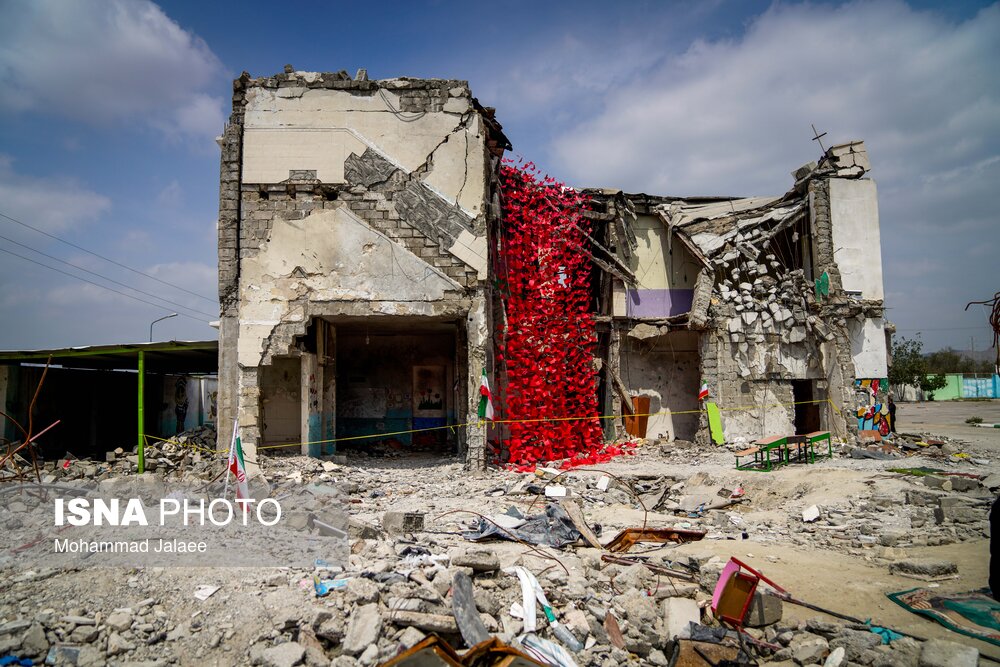
The community of Minab, located in Iran’s Hormozgan province, continues to grapple with the aftermath of a devastating event at the Shajareh Tayyebeh school. More than fifty days have passed since the incident, yet the atmosphere remains one of profound mourning and unresolved grief as families and educators struggle to find a path toward recovery.
The situation in Minab has drawn international attention due to the gravity of the allegations surrounding the attack. Reports suggest that the Shajareh Tayyebeh school was targeted in a coordinated strike attributed to the United States and Israel, an assertion that underscores the volatile geopolitical tensions currently defining the region.
For the students and teachers of Minab, the passage of time has not diminished the trauma. The Shajareh Tayyebeh school, once a center for learning and community growth, now stands as a stark reminder of the human cost of regional conflicts. As the local population continues to mourn, the demand for accountability and a comprehensive international investigation into the strike grows louder.
The Human Toll in Hormozgan Province
The impact of the attack on the Shajareh Tayyebeh school extends beyond the physical destruction of classrooms and textbooks. In Minab, the psychological scars are deep, affecting not only the immediate victims but an entire generation of children who now associate their place of learning with violence and loss.
Local reports indicate that the mourning period has been extended by the lack of clear answers regarding the full scale of the casualties and the specific nature of the munitions used. The community has organized various memorials, but these gatherings often serve as protests against the perceived impunity of the foreign powers accused of the strike.
The socio-economic ripple effects in Hormozgan province are also significant. Education in the region has been disrupted, with many students unable to return to a formal classroom setting. The loss of educational infrastructure in a rural or semi-rural area like Minab often leads to long-term developmental setbacks for the youth, making the restoration of the school a matter of urgent necessity.
Geopolitical Implications of the Minab Strike
The allegation that the United States and Israel were responsible for the attack on a school in southern Iran places the event within a broader context of “shadow wars” and direct confrontations. Such an action, if verified, would represent a significant escalation in military engagement, targeting civilian infrastructure in a manner that violates international humanitarian laws regarding the protection of educational institutions during conflict.

Diplomatic channels have remained strained as the Iranian government seeks international condemnation of the strike. The use of Hormozgan province as a site for such an operation is strategically notable, given its proximity to the Strait of Hormuz, one of the world’s most critical maritime chokepoints for global oil shipments.
International human rights organizations typically monitor such events to determine if war crimes have been committed. The targeting of a school is generally viewed as a grave breach of the Geneva Conventions, which mandate that parties to a conflict must distinguish between civilian objects and military objectives.
The Path to Recovery and Accountability
As the 53-day mark passes, the focus in Minab has shifted toward the demand for a formal inquiry. The community is not merely seeking the rebuilding of the Shajareh Tayyebeh school, but a transparent accounting of who authorized the attack and why a civilian educational facility was targeted.
Recovery efforts in Minab are currently hampered by the ongoing security situation and the complexities of importing construction materials into a high-tension zone. Local volunteers and government agencies have attempted to clear debris, but the emotional weight of the site makes the process sluggish and painful for those involved.
The international community’s response—or lack thereof—continues to be a point of contention. Whereas some nations have called for restraint, the absence of a neutral, third-party investigation into the Minab strike leaves the victims in a state of legal and emotional limbo.
What So for Regional Stability
The persistence of mourning in Minab is a barometer for the instability of the wider region. When civilian infrastructure is targeted, it often fuels domestic resentment and increases the likelihood of retaliatory cycles. The Shajareh Tayyebeh school incident serves as a catalyst for further anti-foreign sentiment within the province.
.jpg/1280px-Shajareh_Tayyebeh_school_in_Minab_photos_from_Mehr_(3).jpg "Minab Hormozgan Shajareh Tayyebeh School")
For the global audience, this event highlights the precarious nature of security in the Middle East, where the lines between military targets and civilian sanctuaries are increasingly blurred. The tragedy in Minab is a reminder that the casualties of geopolitics are often the most vulnerable members of society: children and educators.
The long-term impact on the students of Shajareh Tayyebeh will likely require years of specialized psychological support. The transition from a place of safety to a site of mourning is a trauma that cannot be solved by simply rebuilding walls; it requires a restoration of trust and a guarantee of safety that currently seems distant.
The community of Minab awaits a definitive response from the international community and the accused parties. Until such a response is delivered, the Shajareh Tayyebeh school will remain a symbol of loss and a call for justice in the heart of Hormozgan.
Further updates on the investigation and the status of the school’s reconstruction are expected as official reports from the province are released. We encourage readers to share this story to keep the plight of the Minab community in the global consciousness.
Related reading