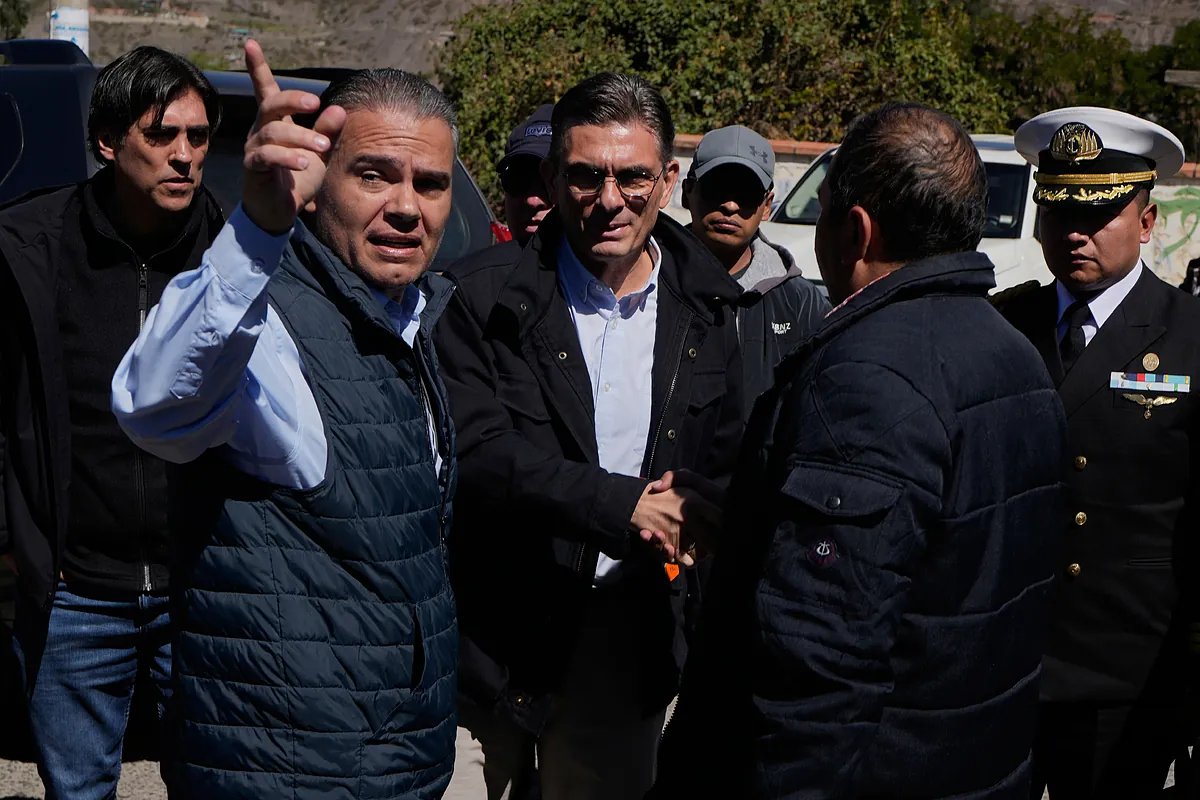
The geopolitical landscape of South America remains a focal point for international observers as a coalition of nations has issued a formal statement regarding the political stability of Bolivia. In an era where regional diplomacy is increasingly tested by internal governance challenges, the collective stance taken by a group of Western Hemisphere countries underscores the sensitivity surrounding the maintenance of democratic institutions and the legitimacy of elected leadership.
As we navigate the complexities of contemporary economic and political shifts, it is essential to distinguish between official diplomatic consensus and the fluid, often volatile, nature of local political disputes. This recent development marks a significant moment in regional relations, as multiple governments have publicly denounced what they characterize as ongoing attempts to undermine the administration of President Rodrigo Paz. For those of us monitoring the intersection of global markets and governance, these diplomatic interventions are more than mere statements; they represent a coordinated effort to uphold the principles of constitutional order across the Americas.
Understanding the Regional Diplomatic Stance
The coalition of nations expressing concern includes the United States, Argentina, Costa Rica, Chile, Ecuador, the Dominican Republic, Paraguay, El Salvador, Honduras, Panama, Guyana, and Trinidad and Tobago. Their joint position centers on the rejection of efforts to destabilize the government of Bolivia, which they describe as a legitimate and widely elected administration. Such declarations are typically rooted in the Inter-American Democratic Charter, a foundational document that commits member states of the Organization of American States (OAS) to the promotion and protection of representative democracy. You can review the official framework of the Inter-American Democratic Charter, which serves as the bedrock for these diplomatic responses to regional crises.
The involvement of these twelve nations indicates a shared concern regarding the potential for political unrest to spill over into broader economic instability. For Bolivia, a nation that has historically navigated significant commodity-driven economic cycles, political continuity is often viewed as a prerequisite for investor confidence and international trade partnerships. The current administration’s ability to manage internal dissent while maintaining these international alliances will likely dictate the country’s economic trajectory in the coming months.
The Impact of Political Stability on Economic Growth
From an economic perspective, the stability of a nation’s executive branch is one of the most critical variables for long-term planning. When a government faces sustained pressure or external efforts to force a transition of power, the resulting uncertainty often leads to a “risk premium” in local markets. This can manifest in several ways, including increased volatility in currency exchange rates, a cooling of foreign direct investment (FDI), and a cautious approach from multilateral lending institutions.
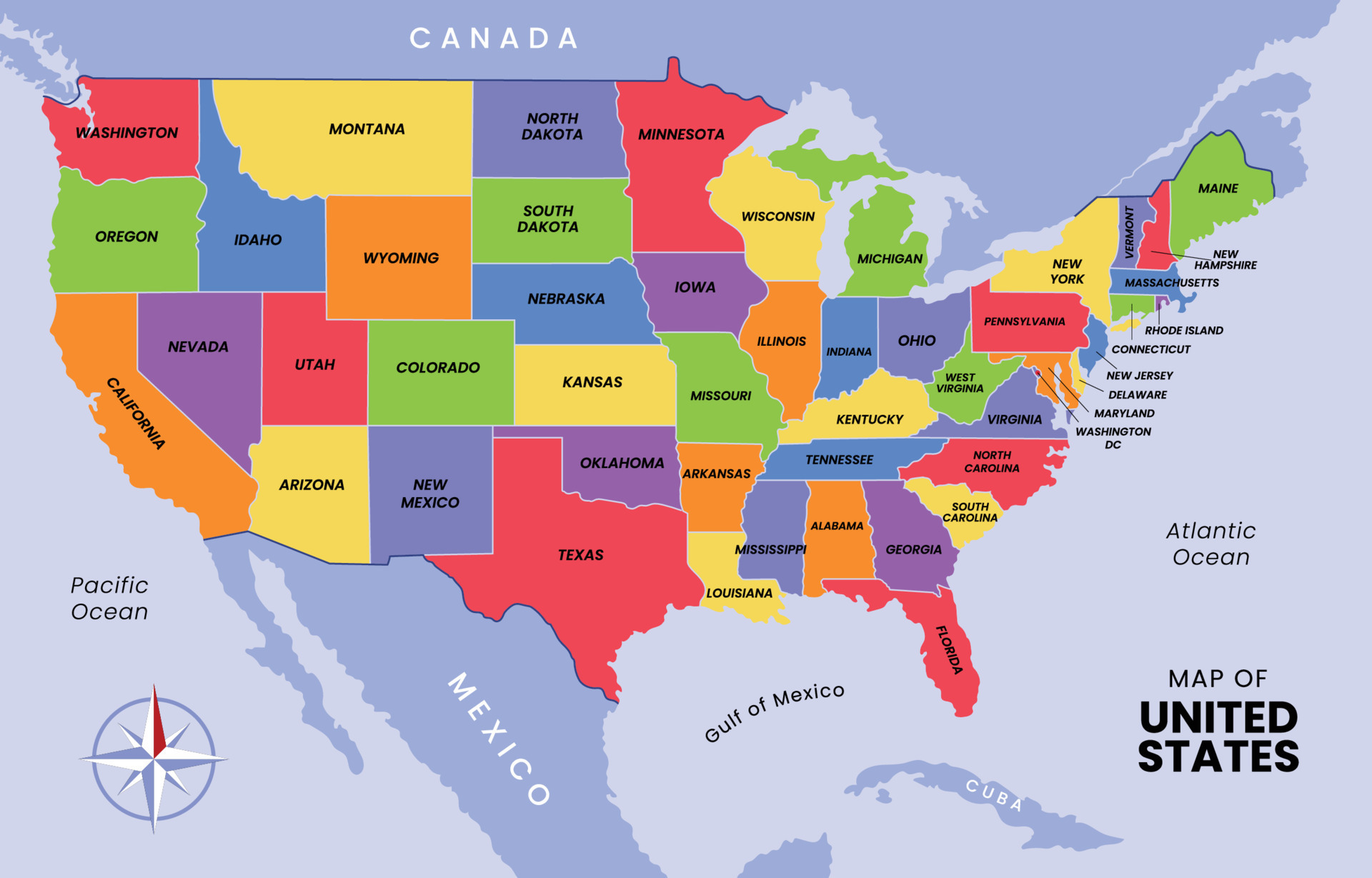
Market participants often look to the statements issued by major trading partners—such as the United States and the broader Latin American bloc—to gauge the level of international support for a sitting government. Strong, consistent backing from these partners can provide a necessary buffer against domestic economic shocks. However, as I have observed over my 18 years in financial journalism, diplomatic support is rarely a substitute for robust domestic policy. The government of President Rodrigo Paz must now balance the task of maintaining international legitimacy with the urgent need to address the socioeconomic grievances of its population, which often serve as the catalyst for the incredibly instability these nations are condemning.
Key Factors in the Current Bolivian Landscape
- Regional Alignment: The coalition represents a diverse cross-section of the Americas, signaling that the concern for Bolivia’s stability is not limited to a single political ideology but is, rather, a collective regional interest.
- Institutional Integrity: The emphasis placed on the “legitimacy” of the election highlights the importance of electoral transparency, a theme that remains central to the OAS mission of promoting democratic processes throughout the hemisphere.
- Economic Risk Management: Investors are advised to monitor the situation closely, as political rhetoric can often precede changes in regulatory environments or fiscal policy.
Navigating the Path Forward
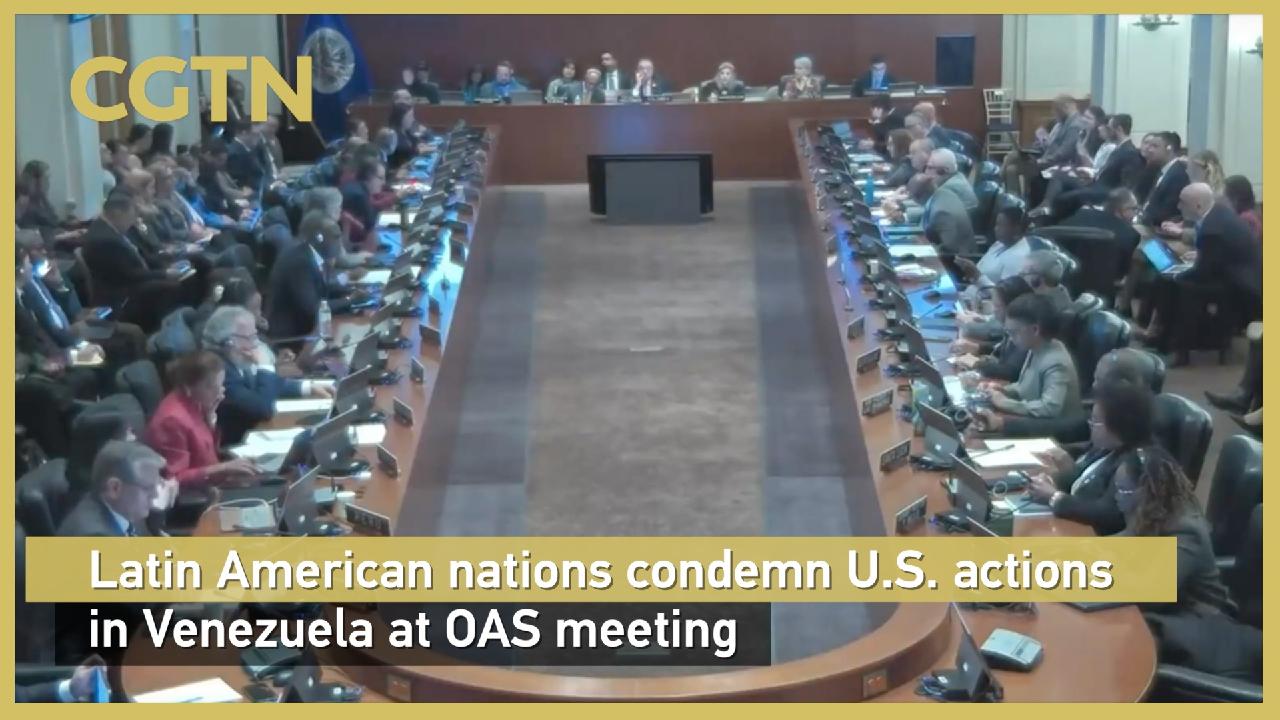
As this situation continues to evolve, the primary checkpoint for observers will be the upcoming regional summits and any potential sessions of the Organization of American States where the situation in Bolivia may be formally addressed. These venues provide the most accurate barometer for the durability of the current diplomatic consensus. It is also worth noting that international bodies often rely on independent observers to verify claims of electoral or governance irregularities, and any future reports from such bodies will be crucial in determining how the international community continues to frame its relationship with the current administration.
For those of us in the business and policy sectors, the lesson remains the same: political risk is an inherent component of global strategy. Understanding the nuances of these diplomatic statements allows leaders to better anticipate shifts in the regulatory and trade environments of emerging markets. As we wait for further updates, the emphasis remains on the rule of law and the peaceful resolution of political disputes.
We will continue to provide updates as new information becomes available through official government channels and recognized international monitoring organizations. What are your thoughts on how regional diplomatic pressure impacts local economic stability? Join the conversation in the comments section below and share your perspective on this developing story.
Worth a look