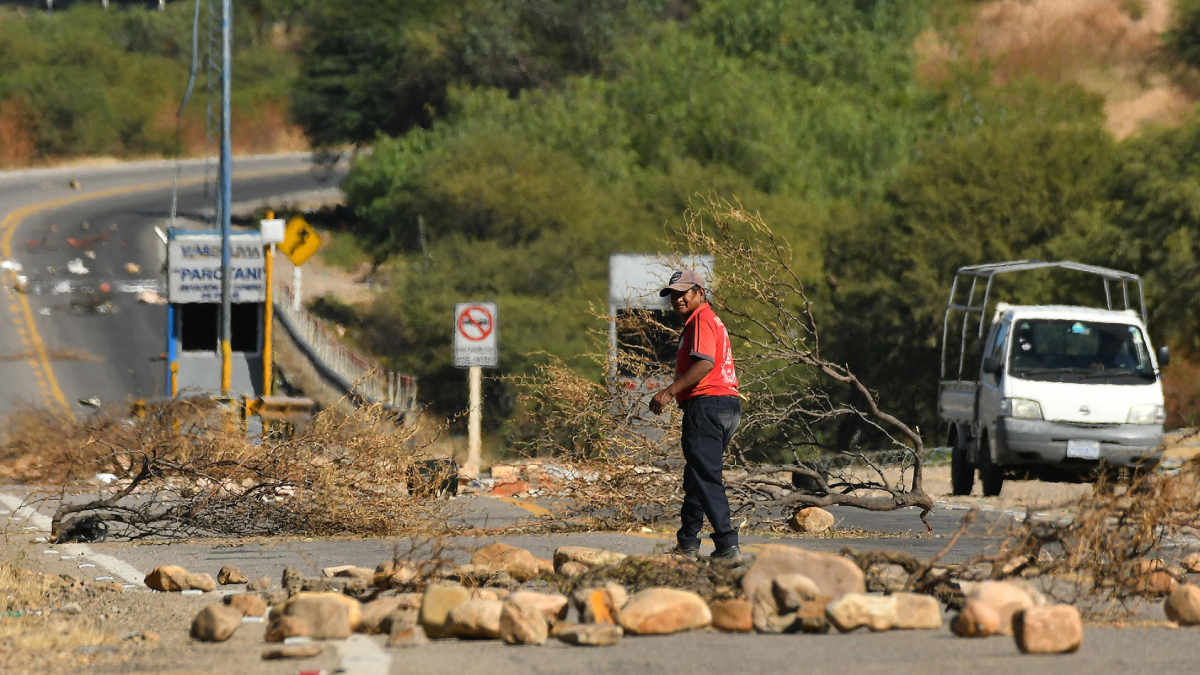
The coalition known as the Shield of the Americas has issued a formal declaration denouncing ongoing efforts to destabilize the constitutional government of Bolivia. In a joint statement released on June 5, 2026, member nations expressed their firm commitment to the democratic process and the legitimacy of the administration led by President Rodrigo Paz. This intervention by the regional alliance highlights growing international concern regarding the political stability of the Andean nation and the broader implications for governance in the region.
The diplomatic push to support the current leadership comes amid reports of internal unrest and external challenges to the administration’s authority. The Shield of the Americas, acting as a unified bloc, emphasized that it rejects any attempt to replace the democratically elected government through extra-constitutional means. This stance aligns with broader international efforts to monitor the situation, as global observers keep a close watch on the developments currently unfolding in La Paz. The situation remains fluid, with the coalition positioning itself as a primary defender of the rule of law within its member states.
Following the release of the joint statement, the United States government has maintained a consistent policy of monitoring the crisis. As part of its regional engagement strategy, Washington has announced the provision of emergency aid aimed at supporting institutional stability. This development follows a period of heightened rhetoric surrounding the sovereignty of natural resources, particularly lithium, which has become a focal point of recent political discourse within Bolivia. The intersection of economic policy and political survival remains a critical variable for analysts assessing the future of the Paz administration.
Regional Stability and the Shield of the Americas
The Shield of the Americas has positioned its recent declaration as a necessary intervention to prevent a democratic backslide. By formally rejecting efforts to undermine the government, the alliance is signaling that it views the current challenges not merely as domestic political disputes, but as a threat to regional security frameworks. The organization’s rhetoric underscores a commitment to the principle of non-interference in the internal affairs of sovereign states, provided those states maintain their constitutional mandates. This diplomatic maneuver is designed to provide political cover for the current government while deterring actors who might seek to exploit the existing volatility.
The coalition’s members have been vocal in their support for President Rodrigo Paz, framing his mandate as the result of an overwhelming democratic process. This emphasis on electoral legitimacy is a key component of their communication strategy, intended to invalidate claims made by opposition elements. For international observers, the move by the Shield of the Americas represents a significant escalation in the regional response to the Bolivian crisis, moving beyond passive observation toward active diplomatic engagement.
The Shield of the Americas stands united with President @Rodrigo_PazP and Bolivia’s constitutional government. We reject any attempt to replace…
— WHA Asst Secty (@WHAAsstSecty) May 21, 2026
Economic Context and Resource Sovereignty
A significant undercurrent in the current political tension is the management of Bolivia’s natural resources, specifically its vast lithium reserves. Discussions regarding the nationalization or state control of these assets have historically sparked intense debate and, at times, social unrest. Recent developments suggest that the debate over resource extraction policies is once again intensifying, with various political factions presenting divergent visions for the nation’s economic future. The role of the global market in influencing these internal decisions cannot be overstated, as international entities continue to monitor the regulatory environment in Bolivia.
The government’s response to these challenges has been to emphasize national sovereignty. Supporters of the current administration argue that the control of lithium is essential for the country’s long-term economic independence and development. Conversely, critics suggest that existing policies may deter necessary foreign investment and exacerbate the current economic instability. This dichotomy remains a central feature of the political landscape, influencing both public sentiment and the strategic calculations of regional partners.
Next Steps and Diplomatic Outlook
As of June 5, 2026, the situation remains under intensive review by international stakeholders. The United States and other members of the Shield of the Americas have indicated that they will continue to provide support for the stabilization of the country’s institutions. While the immediate focus is on preventing further political fragmentation, the long-term resolution of these issues will likely depend on the government’s ability to engage in meaningful dialogue with its domestic opposition and address the underlying economic grievances that have fueled recent protests.
The international community is now looking toward the next round of official communications and potential regional summits, where the status of the Bolivian government will likely be a primary agenda item. Further updates are expected as the administration navigates the current legislative and social challenges. We invite our readers to share their perspectives on this developing story in the comments section below, as we continue to track the diplomatic and political developments affecting the region.
Keep reading