The strategic waters of the Strait of Hormuz have become the epicenter of a high-stakes geopolitical confrontation as the United States implements a naval blockade against Iran. The move follows the collapse of diplomatic efforts in Pakistan, where U.S. Representatives, including J.D. Vance, departed after 21 hours of contentious negotiations failed to produce an agreement on Iran’s nuclear ambitions franceinfo.
President Donald Trump has framed the blockade as a “tout ou rien” (all or nothing) strategy, specifically designed to prevent Tehran from generating revenue through oil sales. According to the U.S. Administration, the operation aims to ensure that Iran does not acquire nuclear weapons by cutting off the financial lifelines provided by maritime trade franceinfo.
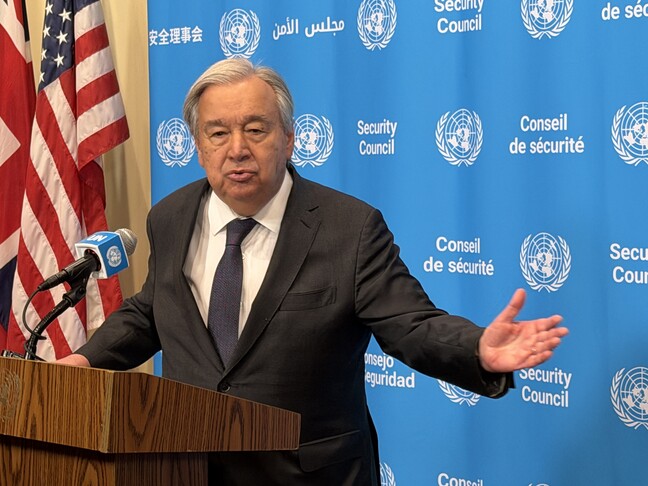
As the blockade takes hold, the United Nations has intervened, with the UN chief calling for the respect of navigation rights and the freedom of movement within the Strait of Hormuz. This appeal comes as the region faces extreme tension, with the U.S. Deploying significant naval assets, including the USS Michael Murphy and the USS Frank E. Ross, to enforce the maritime restrictions franceinfo.
The blockade has already begun to impact maritime traffic, though reports on its absolute effectiveness vary. Whereas the White House claims that no ships have successfully breached the blockade—stating that six vessels were forced to turn back toward Iranian ports in the Gulf of Oman—some reports indicate that a few ships, such as the Christianna and the Elpis, have managed to navigate the strait Le Figaro.
The U.S. Strategy: Economic Pressure and Naval Enforcement
The current crisis marks a significant escalation in the long-standing friction between Washington and Tehran. The decision to implement a complete blockade of the Strait of Hormuz is a direct response to the failure of recent diplomatic talks. President Trump stated in a telephone interview that the U.S. Would not allow Iran to sell oil to selected partners while avoiding obligations regarding its nuclear program franceinfo.
By targeting the Strait of Hormuz, one of the world’s most critical oil transit chokepoints, the U.S. Is attempting to leverage global energy security to force Iranian concessions. The blockade is not merely a symbolic gesture; it involves the active deployment of warships to intercept and redirect vessels associated with the Iranian regime. The USS Michael Murphy and USS Frank E. Ross are among the primary assets currently operating in the zone franceinfo.
Tehran has reacted with condemnation, describing the U.S. Actions as a violation of existing ceasefire agreements. Despite the pressure, Iranian officials maintain that they have the situation under control and have not completely closed the door to future negotiations with the United States, provided the terms are acceptable Le Monde.
International Reaction and the Role of the United Nations
The international community has viewed the blockade with growing concern due to the potential for a broader regional conflict and the disruption of global oil markets. The UN chief’s call for the “freedom of navigation” highlights the legal and humanitarian complexities of a naval blockade in international waters. The Strait of Hormuz is vital for the global economy, and any prolonged interruption of traffic could lead to significant price volatility in the energy sector.
Russia has too entered the fray, attempting to act as a mediator between the two superpowers to prevent a full-scale military engagement. The presence of Russian diplomatic efforts suggests a desire to stabilize the region, even as the U.S. Maintains that the “ball is in the Iranians’ court” regarding the resolution of the crisis franceinfo.
Impact on Maritime Traffic and Sanctions
The practical application of the blockade has seen mixed results. On one hand, the U.S. Claims total dominance, asserting that six ships were forced to return to Iranian ports franceinfo. Specific vessels have reportedly breached the perimeter. The ship Elpis, which is already under U.S. Sanctions due to its ties with Iran, and the Christianna—a vessel not currently sanctioned by the U.S.—were both reported to have crossed the strait despite the blockade Le Figaro.
This discrepancy suggests that the blockade may be selectively enforced or that certain vessels are utilizing gaps in the naval screen. For the shipping industry, the situation has created an environment of extreme uncertainty, with many operators choosing to avoid the area entirely, leading to a significant slowdown in overall traffic.
What This Means for Global Geopolitics
The blockade of the Strait of Hormuz represents a shift toward “maximum pressure” tactics in the 2026 geopolitical landscape. By combining military deployment with economic strangulation, the U.S. Is attempting to solve the Iranian nuclear issue through attrition rather than diplomacy. This approach carries significant risks, including the possibility of Iranian counter-measures that could further jeopardize the flow of oil to the rest of the world.
For Iran, the situation is an “épreuve de force” (test of strength). The regime is preparing for a long-term struggle, betting that the international community’s need for oil will eventually force the U.S. To lift the blockade Le Monde.
Key Stakeholders and Their Positions
- United States: Seeking to prevent Iranian nuclear proliferation and cut off oil revenue via a total naval blockade.
- Iran: Denouncing the blockade as a ceasefire violation while maintaining a posture of long-term endurance.
- United Nations: Advocating for the legal right of navigation and a peaceful resolution to avoid global economic instability.
- Russia: Acting as a mediator to prevent an escalation into open war.
As the standoff continues, the world watches to see if the economic pressure will lead to a diplomatic breakthrough or if the naval tensions in the Gulf will spark a larger conflict. The next critical development will be whether the U.S. Expands its naval presence or if Tehran agrees to return to the negotiating table under the latest terms set by the Trump administration.
World Today Journal will continue to monitor the situation in the Strait of Hormuz. We encourage our readers to share this report and leave their thoughts on the potential impact of this blockade in the comments section below.
Related reading
- Secret WWII Colossus Computer Officially Recognized as Modern Computing Foundation
- Austin FC vs Club Tijuana Prediction: Leagues Cup 2026 Betting Tips
- Medicaid Halts in California and Minnesota Spark Outrage for Caregivers and Disabled People (news-usa.today)
- Trump Slams Iran’s Duplicity and Warns Blockade Will Remain Amid Stalled Talks (world-today-news.com)