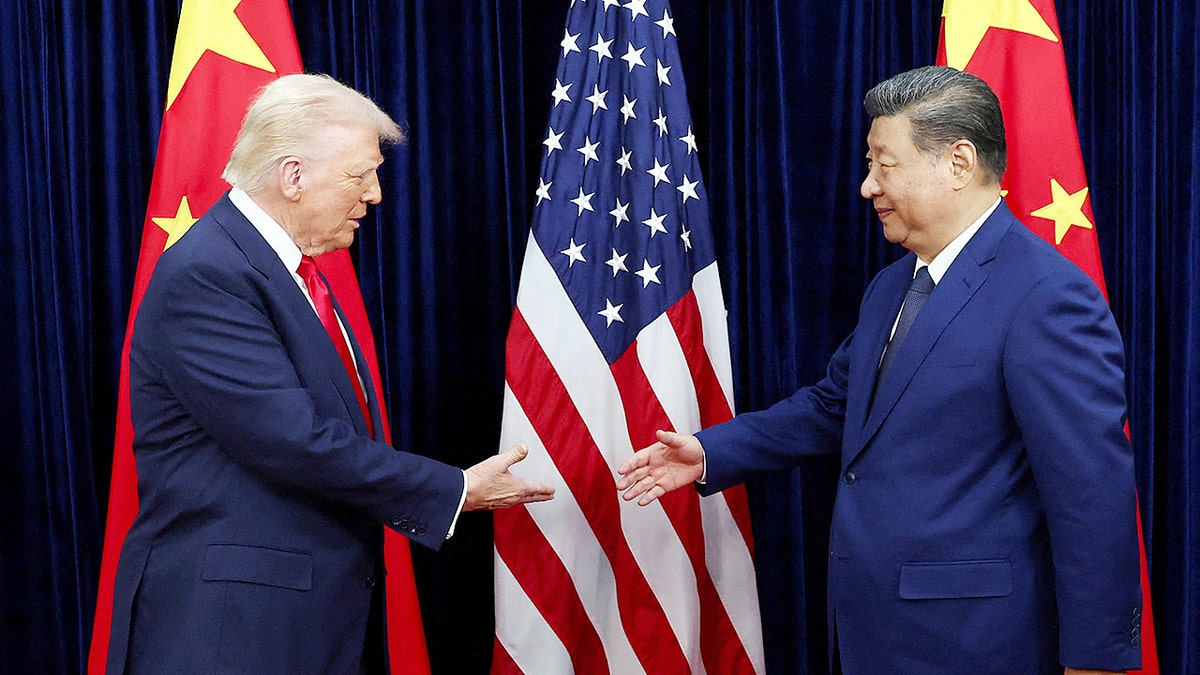
London, UK — May 19, 2026 — In a significant breakthrough at their recent summit, Chinese President Xi Jinping and former U.S. President Donald Trump have agreed to a sweeping trade deal that will dramatically increase China’s purchases of American agricultural products, including beef and poultry. The White House announced the agreement on Friday, stating that China will buy at least $17 billion in U.S. Agricultural goods annually, a move that could revitalize struggling U.S. Farm sectors and ease some of the trade tensions that have plagued relations between the two economic giants for years.
The deal, which follows months of high-level negotiations, includes commitments from China to establish new trade and investment mechanisms to facilitate the purchases. While details of the broader agreement remain under wraps, agricultural experts say the $17 billion figure represents a historic commitment from China, which has historically relied on other suppliers for its meat imports. The announcement has sent shockwaves through global agricultural markets, with futures for U.S. Beef and poultry surging in anticipation of increased demand.
Yet the agreement also raises questions about its long-term sustainability, the specific products covered, and whether it will lead to broader economic cooperation between the two nations. With trade relations between China and the U.S. Often characterized by volatility, this deal could mark a turning point—or merely a temporary thaw in an otherwise frosty relationship.
What the $17 Billion Agricultural Purchase Agreement Means
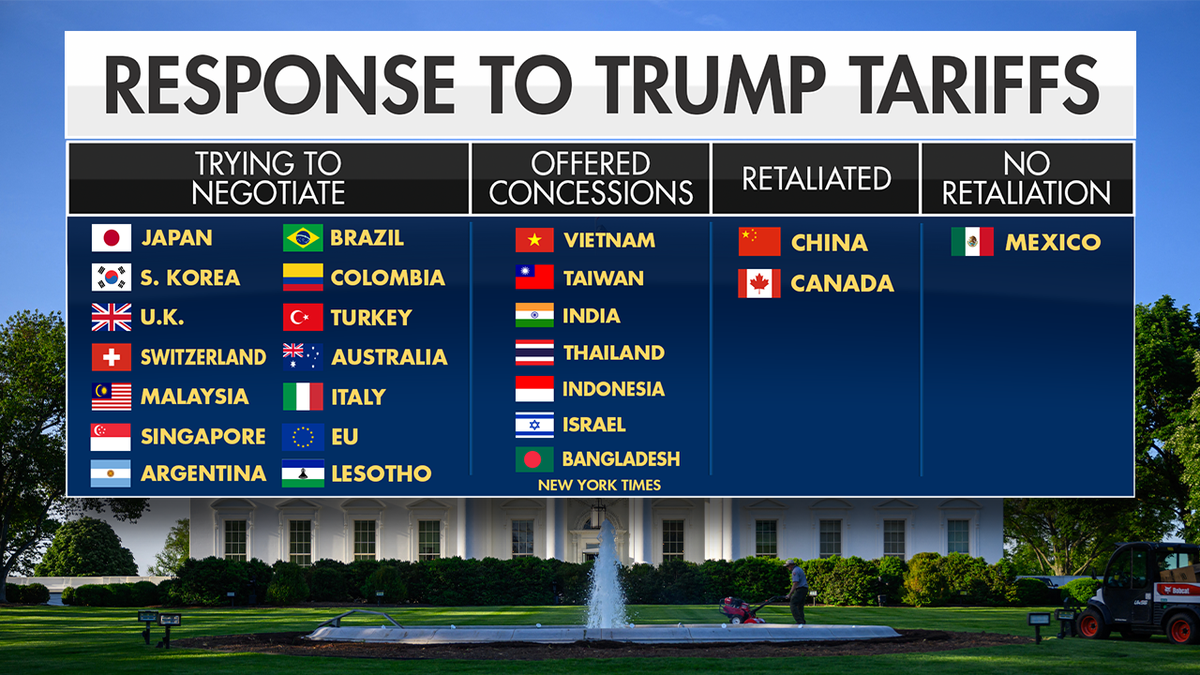
At the heart of the agreement is China’s commitment to purchase at least $17 billion worth of U.S. Agricultural products annually. According to the White House, this figure includes beef, poultry, and other commodities that have been major points of contention in previous trade disputes. The announcement comes as U.S. Farmers have faced declining exports to China due to tariffs and other trade barriers imposed during the Trump administration’s trade war with Beijing.

While the exact breakdown of products has not been fully disclosed, industry analysts suggest that beef and poultry—two sectors that have seen particularly sharp declines in Chinese imports—will be the primary beneficiaries. The U.S. Has long been a major exporter of high-quality beef and poultry to global markets, but Chinese tariffs and shifting consumer preferences have reduced its market share in recent years.
For U.S. Farmers, the news is a potential lifeline. The American Farm Bureau Federation, which represents millions of farmers and ranchers, issued a statement praising the agreement but cautioning that “implementation will be key.” The organization noted that while the commitment is welcome, farmers will need clear guidance on how to access the Chinese market and ensure compliance with Chinese regulatory standards.
The Broader Context: Trade Tensions and Diplomatic Signals
The agreement was reached during a summit between Trump and Xi, which also covered a range of other issues, including technology transfers, investment protections, and potential cooperation on climate change initiatives. While the agricultural deal is the most concrete outcome of the meeting, observers say it reflects a broader effort by both sides to stabilize trade relations amid rising geopolitical tensions.
China’s decision to increase agricultural imports from the U.S. Is particularly notable given its historical reliance on suppliers like Brazil and Australia. The shift could be driven by several factors, including:
- Domestic supply constraints: China has faced periodic shortages of high-quality beef and poultry due to African Swine Fever outbreaks and other agricultural challenges.
- Trade diversification: Beijing may be seeking to reduce its dependence on a single supplier, particularly in light of ongoing U.S.-China trade frictions.
- Geopolitical signaling: The agreement could be a goodwill gesture aimed at improving relations ahead of critical diplomatic engagements, including potential discussions on semiconductor trade and military cooperation.
However, skepticism remains. Some trade experts argue that the $17 billion figure may be more symbolic than substantive, given China’s past struggles with consistent large-scale imports of U.S. Agricultural products. Others point to the lack of transparency in the deal’s implementation, raising questions about whether the purchases will be sustained over time.
Market Reactions: Futures Surge, but Challenges Remain
Within hours of the White House announcement, futures for U.S. Beef and poultry experienced significant gains. The CME Group’s Live Cattle futures contract rose by nearly 2%, while Chicken futures saw a 3% increase, reflecting investor confidence in the deal’s potential to boost demand. Commodity traders described the reaction as “historic,” with some comparing it to the market’s response to the Phase One trade deal signed in 2020.
Key Takeaways:
- The $17 billion annual purchase commitment is the largest single agricultural trade agreement China has ever made with the U.S.
- Beef and poultry are expected to be the primary products covered, though exact allocations have not been disclosed.
- The deal includes provisions for establishing new trade and investment bodies to facilitate compliance and transparency.
- U.S. Farmers welcome the agreement but emphasize the need for clear regulatory guidance to avoid past pitfalls.
- China’s decision to increase imports may reflect both economic necessity and diplomatic strategy.
What Happens Next? Implementation and Potential Roadblocks
The success of this agreement will hinge on its implementation. Both governments will need to address several critical issues:
- Regulatory hurdles: China has strict food safety and import regulations that could delay or complicate the entry of U.S. Products. The U.S. Department of Agriculture (USDA) will need to work closely with Chinese authorities to ensure compliance.
- Market access: U.S. Farmers must be able to compete with established suppliers like Brazil and Australia, which have long-standing trade relationships with China.
- Political stability: Any changes in U.S. Trade policy—whether under a new administration or due to shifting political priorities—could jeopardize the agreement.
- Sustainability: The $17 billion figure is an annual commitment, but China’s import needs may fluctuate based on domestic production and global supply chains.
For now, the focus remains on the immediate impact. U.S. Agricultural exporters are already preparing to meet increased demand, while Chinese importers are assessing how to integrate new suppliers into their existing supply chains. The deal also comes at a time when global food prices are under pressure from climate-related disruptions, making the agreement’s success particularly critical for food security.
Looking Ahead: Could This Deal Lead to Broader Cooperation?
The agricultural trade agreement is just one piece of a larger puzzle in U.S.-China relations. While the deal is a positive step, analysts warn that it does not resolve deeper structural issues, such as:
- Intellectual property disputes in the technology sector.
- Ongoing tensions over Taiwan and regional security.
- Differences in climate policy and carbon emissions targets.
Yet, the agreement signals that both sides recognize the value of economic engagement. If successfully implemented, it could pave the way for further cooperation in areas like infrastructure, energy, and even space exploration—sectors where collaboration has been limited in recent years.
What This Means for Consumers and Global Markets
For consumers, the deal could have indirect benefits. Increased U.S. Agricultural exports may help stabilize food prices globally, particularly for commodities like beef and poultry that are sensitive to supply disruptions. In China, the agreement could lead to greater availability of high-quality U.S. Products, though local consumer preferences and pricing will ultimately determine market penetration.
Global traders and investors are also watching closely. The deal could influence currency markets, with the U.S. Dollar potentially benefiting from increased demand for American goods. Meanwhile, competitors like Brazil and Australia may need to adjust their export strategies to remain competitive in the Chinese market.
FAQ: Key Questions About the China-U.S. Agricultural Trade Deal
Q: What products are included in the $17 billion commitment?
A: While the exact breakdown has not been fully disclosed, beef and poultry are expected to be the primary products. Other agricultural commodities, such as grains and dairy, may also be part of the agreement.
Q: How long will this agreement last?
A: The agreement is structured as an annual commitment, with the potential for renewal or expansion depending on market conditions and diplomatic relations.
Q: Will this deal reduce tariffs on U.S. Agricultural products?
A: The White House has not confirmed tariff reductions as part of this specific agreement, but past trade deals have included such provisions. The focus here appears to be on increasing purchases rather than renegotiating tariff structures.
Q: How will this affect U.S. Farmers?
A: U.S. Farmers stand to benefit from increased demand, but they will need to navigate Chinese regulatory requirements and compete with established suppliers. The USDA is expected to provide guidance on export procedures.
Q: Could this deal lead to broader U.S.-China trade cooperation?
A: While the agricultural deal is a positive step, broader cooperation will depend on progress in other areas, including technology, security, and climate policy.
Q: What are the risks of this agreement?
A: Risks include regulatory delays, political instability, and the potential for China to shift its import priorities. The agreement’s success will also depend on whether it can withstand changes in U.S. Trade policy.
Next Steps: What to Watch For
The next critical checkpoint will be the formal announcement of implementation details, expected within the next 30 days. Key milestones to watch include:
- The establishment of the new trade and investment bodies mentioned in the agreement.
- Publication of specific product allocations and regulatory requirements for U.S. Exporters.
- Market reactions, including changes in futures prices and trade volumes.
- Statements from Chinese and U.S. Officials confirming the first shipments of beef and poultry.
As the world’s two largest economies navigate a complex and often contentious relationship, this agricultural trade deal offers a rare moment of optimism. Yet, its long-term success will depend on the willingness of both sides to follow through on their commitments—and to address the deeper issues that continue to strain U.S.-China relations.
We welcome your insights and questions. Share your thoughts on how this deal could impact global trade, or let us know what other topics you’d like us to cover. Contact us or leave a comment below to join the discussion.
Worth a look
- Marc-Marie over tolerantie en B&B Vol Liefde op YouTube
- New York Extends Pied-à-Terre Tax Deadline: What Wealthy Homeowners Need to Know
- India and China Resume Cross-Border Trade After COVID-19 Disruption (archyde.com)
- UK Funeral Director Robert Bush Jailed 20 Years for Hoarding Bodies (archynewsy.com)