
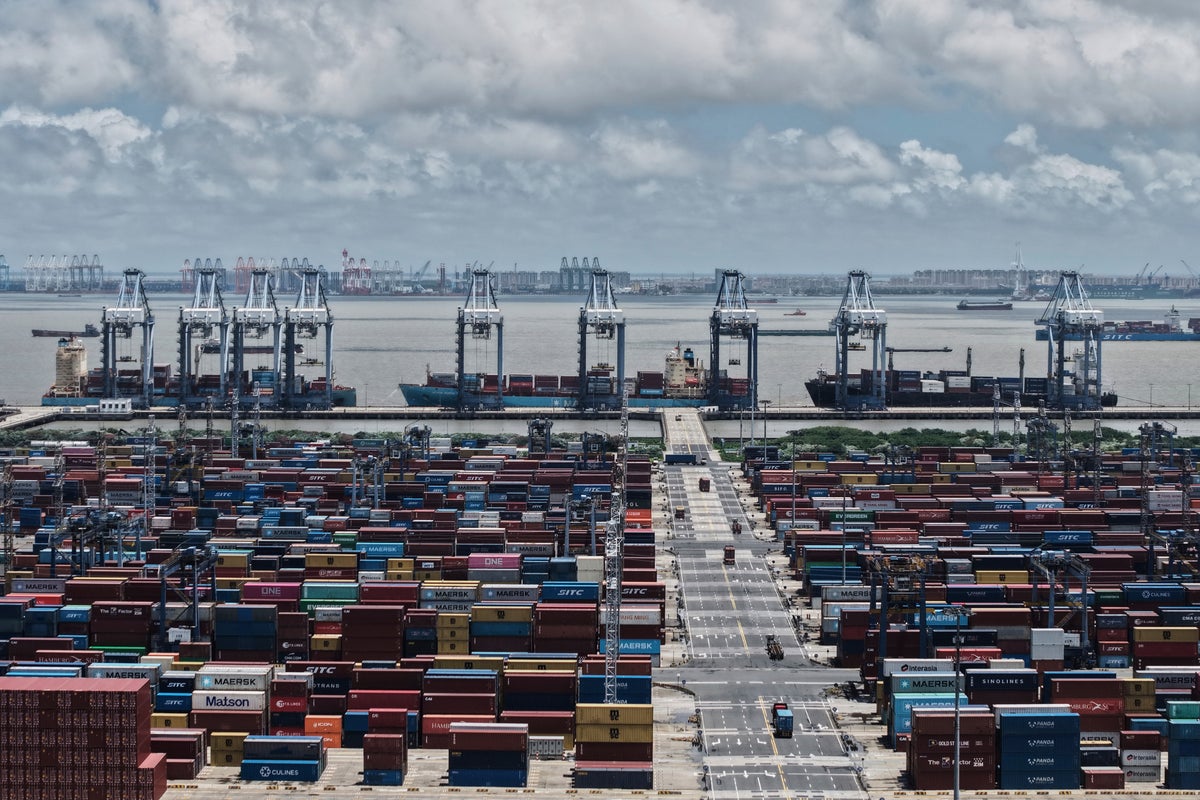
China’s New Port Fees Disrupt Global Shipping, Escalating Trade Tensions
The global shipping industry is bracing for impact as China implements new port fees targeting vessels linked to countries perceived as antagonistic in the ongoing trade war with the United States. This move, coupled with escalating rhetoric from Washington, signals a notable shift – shipping is no longer a neutral facilitator of trade, but a direct tool in international statecraft.
Here’s a breakdown of what’s happening, why it matters to you, and what to expect moving forward.
What are the New Fees?
Last week,China announced port fees for vessels originating from countries that have imposed sanctions on China. These fees directly impact ships carrying commodities like oil, liquefied petroleum gas (LPG), and possibly containers. the fees vary depending on the type of vessel and cargo, but represent a ample cost increase for affected shipping lines.
* Targeted Vessels: Approximately 11% of the global LPG carrier fleet (45 VLGCs) and an estimated 13% of crude tankers and 11% of container ships are potentially affected. This equates to roughly 15% of global shipping capacity.
* U.S. Ethane & LPG Exemption: The U.S. received a temporary reprieve. washington announced a deferral of port fees for long-term charterers of China-operated vessels carrying U.S.ethane and LPG until December 10th.
* Financial Impact: While the exact financial burden is still being calculated, the fees add significant costs to already strained supply chains.
Why is China doing This?
These fees are widely seen as retaliation for several actions taken by the U.S.
* Critical Minerals Export Controls: China recently restricted exports of critical minerals – essential components in technologies like semiconductors and electric vehicle batteries – in response to U.S.export controls.
* Escalating Tariffs: Former President Trump has threatened to impose a further 100% tariff on all Chinese goods and restrict exports of critical software if he returns to office.
* IMO Emissions Plan: The U.S. is also threatening sanctions, port bans, or punitive charges against countries supporting a plan by the U.N. International Maritime Association (IMO) to reduce greenhouse gas emissions from ocean shipping. China publicly supports the IMO plan.
Essentially, China is leveraging its control over key ports to exert pressure on nations it views as economically or politically adversarial.
How are shipping Lines Responding?
Shipping companies are scrambling to find workarounds to mitigate the increased costs.
* route Adjustments: Some lines may reroute vessels through alternative ports,though this can add time and expense.
* Chartering Strategies: Companies are exploring different chartering arrangements to minimize exposure to the fees.
* Absorbing Costs: Some may attempt to absorb the costs, potentially impacting profit margins.
A Shanghai-based trade consultant noted that despite the disruption, trade will continue. “What are we going to do? stop shipping? Trade is already pretty disrupted with the U.S., but companies are finding a way,” they said.
What Does This Mean for You?
The ripple effects of these port fees will be felt across the global economy.
* Increased Costs: Expect higher shipping costs,which will ultimately translate to increased prices for goods.
* Supply Chain Disruptions: The added complexity and potential delays could exacerbate existing supply chain vulnerabilities.
* Geopolitical Uncertainty: This escalation of trade tensions creates further uncertainty for businesses operating in international markets.
COSCO’s Response & Market Reaction
despite the challenging surroundings, shares in Shanghai-listed COSCO rose over 2% on Tuesday. The company announced a plan to repurchase up to 1.5 billion yuan ($210.3 million) worth of its shares, signaling confidence in its long-term prospects. COSCO has yet to publicly address the specific impact of the port fees.
The Bigger Picture: A Shift in Global Trade Dynamics
This situation highlights a fundamental shift in the role of shipping. It’s no longer simply about moving goods efficiently; it’s become a key battleground in geopolitical competition. The weaponization of both trade and environmental policy underscores this point.
As a business





