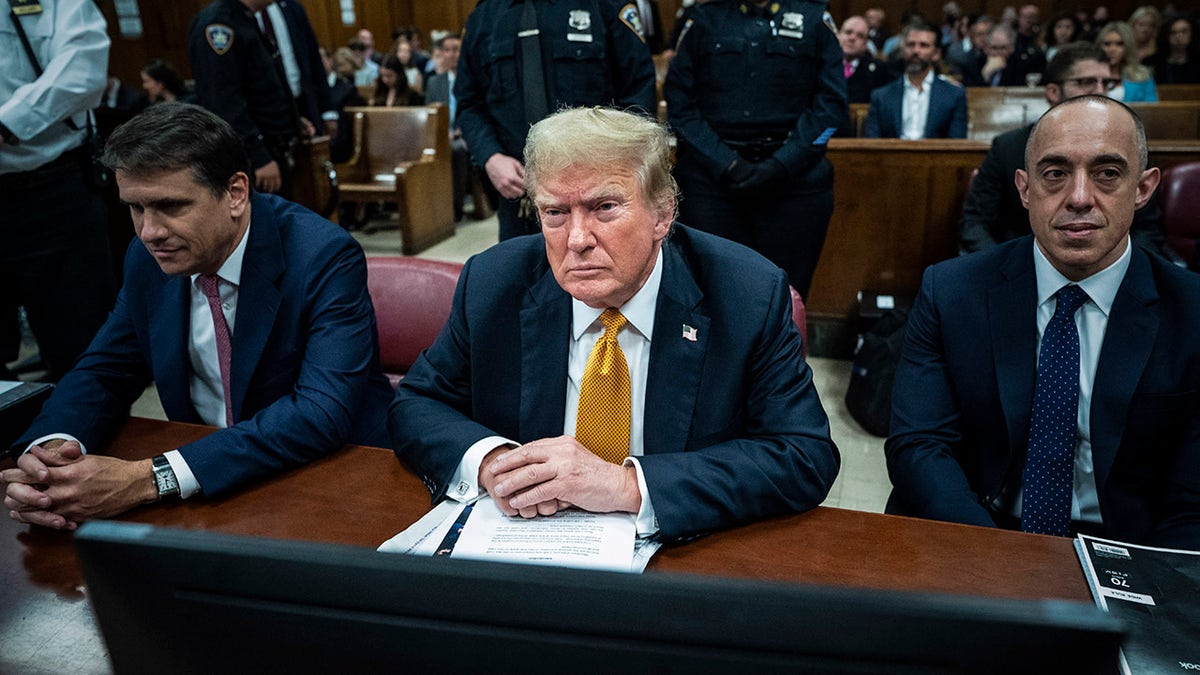
A U.S. federal judge has rejected a settlement agreement between Donald Trump and the Internal Revenue Service (IRS), a ruling that potentially exposes him to renewed tax scrutiny. The decision, handed down in a federal court, effectively nullifies a previous legal arrangement that had aimed to resolve outstanding tax-related disputes, including provisions that would have established a significant fund and granted exemptions from future tax examinations.
The court’s decision centers on allegations that the executive branch, during the period leading to the settlement, manipulated the judicial process. According to court filings, the presiding judge characterized the litigation as a form of “collusion” designed to misappropriate public funds and bypass standard regulatory oversight. This ruling underscores the ongoing legal complexities surrounding Donald Trump’s financial dealings and his interactions with federal tax authorities.
Judicial Scrutiny of IRS Settlement Terms
The core of the federal court’s intervention lies in the specific, and now voided, terms of the agreement. Reports indicate that the settlement included the creation of a fund exceeding 280 billion Japanese yen and contained clauses that would have shielded Donald Trump from specific tax audits. The court found that these terms were not merely standard legal concessions but represented an improper use of the judicial system to secure private benefits at the expense of federal oversight.

In a sharp critique of the proceedings, the court noted that the attempt to finalize this settlement constituted an abuse of the judicial process. The judge emphasized that the government’s role in such litigation must remain transparent and consistent with statutory obligations. By attempting to insulate a high-profile individual from standard tax enforcement procedures, the settlement was deemed contrary to the public interest and the integrity of the tax system, as reported by Reuters.
Implications for Future Tax Examinations
With the settlement nullified, the IRS is no longer bound by the restrictive clauses that previously limited its investigative reach. Legal experts note that this development effectively clears the path for the agency to resume or initiate tax examinations that had been effectively sidelined by the now-defunct agreement. The removal of these barriers means that Donald Trump’s financial records could again become the subject of active federal inquiry.
The broader impact of this ruling touches on the transparency of government litigation. By labeling the previous legal maneuver as an attempt at “judicial manipulation,” the court has signaled that settlements involving high-ranking officials and federal agencies will face heightened scrutiny to ensure they do not circumvent legal mandates. According to coverage by The Wall Street Journal, the judge’s commentary highlights a systemic concern regarding how executive power interacts with the judiciary in the context of personal tax litigation.
Legal Precedent and Institutional Oversight
The rejection of this settlement serves as a notable check on the executive branch’s ability to settle litigation involving its own interests. The court’s action reinforces the principle that federal agencies, including the IRS, must adhere to standard regulatory protocols regardless of the political status of the parties involved.

As the legal process moves forward, the focus remains on whether the IRS will exercise its authority to conduct new audits and how Donald Trump’s legal team will respond to the loss of the settlement protections. The court has not yet scheduled a new hearing in this specific matter, but the ruling stands as a definitive rejection of the previous attempt to resolve the dispute outside of the conventional, public-facing legal framework. Interested parties and the public can monitor updates through the United States Courts official portal for information on ongoing federal civil proceedings.
This situation remains fluid, and further filings are expected as both the government and the defense adjust their strategies in the wake of the court’s order. We will continue to monitor the docket for any upcoming scheduling orders or additional motions filed by the parties involved. Please share your thoughts on the implications of this ruling in the comments section below.