
The geopolitical landscape in the Middle East has reached a critical flashpoint as the United States intensifies its military campaign against Iran. In a series of escalating maneuvers, the Trump administration has ramped up aerial bombardments and issued stark warnings to Tehran, signaling a shift toward a more aggressive posture in the region.
The current conflict, which has seen a surge in activity over the last ten days, is characterized by a strategy of overwhelming force. U.S. Officials have indicated that the objective is not only to neutralize specific threats but to systematically degrade the capabilities of the Iranian military, particularly its naval assets. This surge in tension comes as the White House balances the threat of total war with a desire for a swift resolution.
Central to this escalation is the deployment of high-level strategic assets and the rhetoric of “death, fire, and fury.” As the U.S. Military focuses on the destruction of the Iranian navy through a combination of artillery, fighters, bombers, and sea-launched missiles, the risk of a wider regional collapse looms, particularly regarding the stability of global energy markets.
Escalation of Military Strikes and the Role of the Pentagon
Secretary of Defense Pete Hegseth has confirmed that the U.S. Is entering a phase of intensified operations. During a press conference at the Pentagon, Hegseth stated that Tuesday would be the “most intense day of attacks” within Iran, marking the heaviest bombings since the conflict began ten days ago according to reports from the Pentagon.
The pace of the war remains entirely under the discretion of President Donald Trump. Hegseth emphasized that the president “has control of the accelerator,” leaving it to the Commander-in-Chief to determine whether the current operations represent the beginning, middle, or end of the military campaign. This centralized control underscores the administration’s approach of using sudden, overwhelming pressure to force a strategic concession from Tehran.
Complementing these statements, General Dan Caine, the Chief of Staff, detailed the tactical achievements of the U.S. Forces. He noted that the campaign has specifically targeted the Iranian navy, utilizing a multi-domain approach that includes the use of missiles launched from the sea and advanced aircraft to dismantle naval infrastructure.
The Oil Crisis and the “Death, Fire, and Fury” Ultimatum
A primary point of contention in this conflict is the security of the Persian Gulf and the flow of crude oil. Iran has threatened to block all petroleum exports through the Gulf for the duration of the war, a move that would trigger a global economic shock by disrupting one of the world’s most vital energy arteries.
President Trump has responded to these threats with an ultimatum, promising “death, fire, and fury” if Tehran interferes with oil exports. The U.S. President has further warned that any defiance of his orders would be met with an attack “twenty times stronger” than previous strikes as reported in recent government briefings.
Despite the intensity of the strikes, President Trump asserted on Monday that the war “will end very soon,” although he did not provide a specific timeline for the cessation of hostilities. Tehran has dismissed these claims, continuing to launch missile and drone attacks within the Persian Gulf, maintaining a posture of defiance against the U.S. Ultimatums.
Timeline of Recent Developments
| Event/Action | Detail | Source/Context |
|---|---|---|
| Conflict Commencement | U.S. Launched war operations | 10 days prior to March 10 |
| Pentagon Announcement | Most intense day of attacks scheduled for Tuesday | Pete Hegseth, Sec. Of Defense |
| Naval Strategy | Targeting Iranian navy via sea-launched missiles and bombers | General Dan Caine |
| Oil Ultimatum | Threat of “death, fire, and fury” over Gulf exports | President Donald Trump |
Regional Impact and the Threat of Total War
The conflict is not limited to bilateral strikes but has broader implications for the Middle East. The involvement of regional allies and the potential for miscalculation have led to a state of high alert across the Gulf. The use of drones and missiles by Iran in the Persian Gulf indicates that Tehran is attempting to maintain leverage by threatening the maritime security of the region.
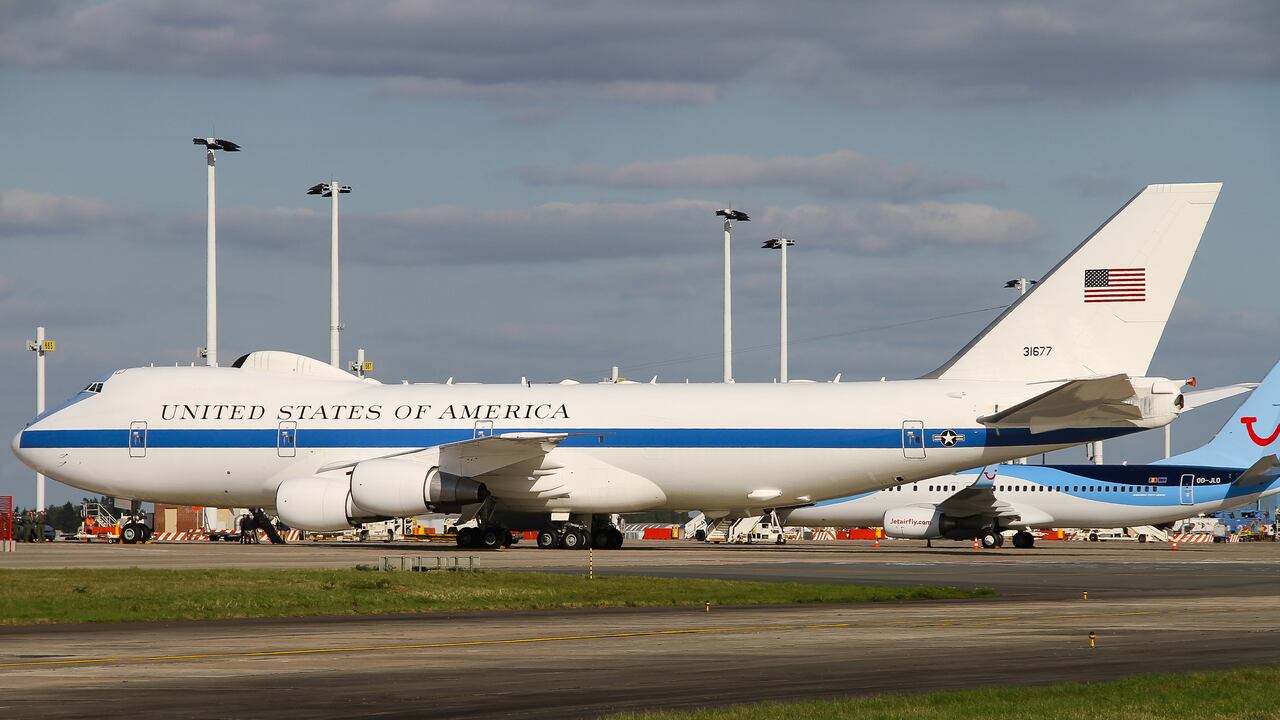
The deployment of strategic assets, including those often referred to in sensational terms as “doomsday” capabilities, serves as a psychological deterrent. By signaling a willingness to use the full spectrum of its military power, the U.S. Aims to compel Iran to adhere to the administration’s demands regarding regional stability and the cessation of hostile activities.
As the situation evolves, the international community remains focused on whether the “accelerator” mentioned by Secretary Hegseth will be eased or pushed further, potentially leading to a full-scale regional war or a negotiated settlement under the pressure of overwhelming force.
The next critical checkpoint will be the monitoring of Iranian responses to the intensified Tuesday bombings and any official updates from the White House regarding the promised “soon” conclusion of the war. We invite our readers to share their perspectives on these developments in the comments below and share this report as we continue to track the crisis in real-time.