The global financial landscape is currently bracing for significant volatility as the US Dollar Index reacts to a sharp escalation in geopolitical tensions between Washington and Tehran. In a market characterized by rapid shifts, investors are once again turning to the greenback as a primary shield against uncertainty in the Middle East.
The catalyst for the current market movement came on April 13, 2026, following the collapse of negotiations between the United States and Iran. This diplomatic failure triggered an immediate reaction in the foreign exchange markets, as traders priced in the risks of a potential conflict and the subsequent disruption of global energy supplies.
The US Dollar Index, which measures the strength of the US currency against a basket of six major global currencies, rose by approximately 0.25% during trading on April 13, reaching 98.89 points according to Bloomberg data reported by Masrawy. This surge was a direct response to the failure of diplomatic efforts to resolve existing conflicts, pushing investors toward the safety of the dollar.
The Strait of Hormuz and the Blockade Catalyst
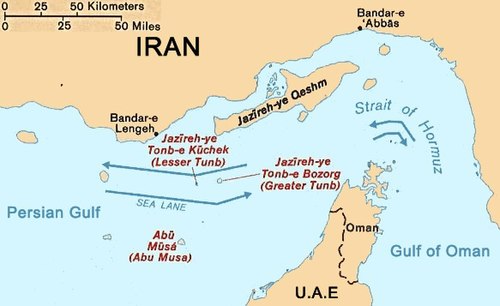
Adding to the market instability were decisive statements from the White House. President Donald Trump confirmed that the US Navy would initiate a blockade of the Strait of Hormuz and various Iranian ports as detailed in reports from April 13, 2026. The Strait of Hormuz is one of the world’s most critical oil transit chokepoints, and any restriction on maritime traffic there typically sparks immediate fears of an oil shock and wider economic instability.
In times of crisis, the US dollar typically functions as a “safe-haven asset.” This means that when global markets experience high levels of uncertainty or geopolitical risk, investors sell off riskier assets—such as emerging market currencies or equities—and move their capital into the dollar, which is perceived as more stable and liquid. This flight to safety is a standard mechanism for hedging against global volatility.
Impact on Major Currency Pairs
The rise in the US Dollar Index was mirrored by declines in several other major currencies. On April 13, 2026, the British Pound fell by 0.3% to 0.74 GBP per dollar, while the Euro similarly declined by 0.3% to 0.85 EUR per dollar per Masrawy’s reporting. The Japanese Yen saw a steeper decline of 0.35%, dropping to 159.83 JPY per dollar on the same date.
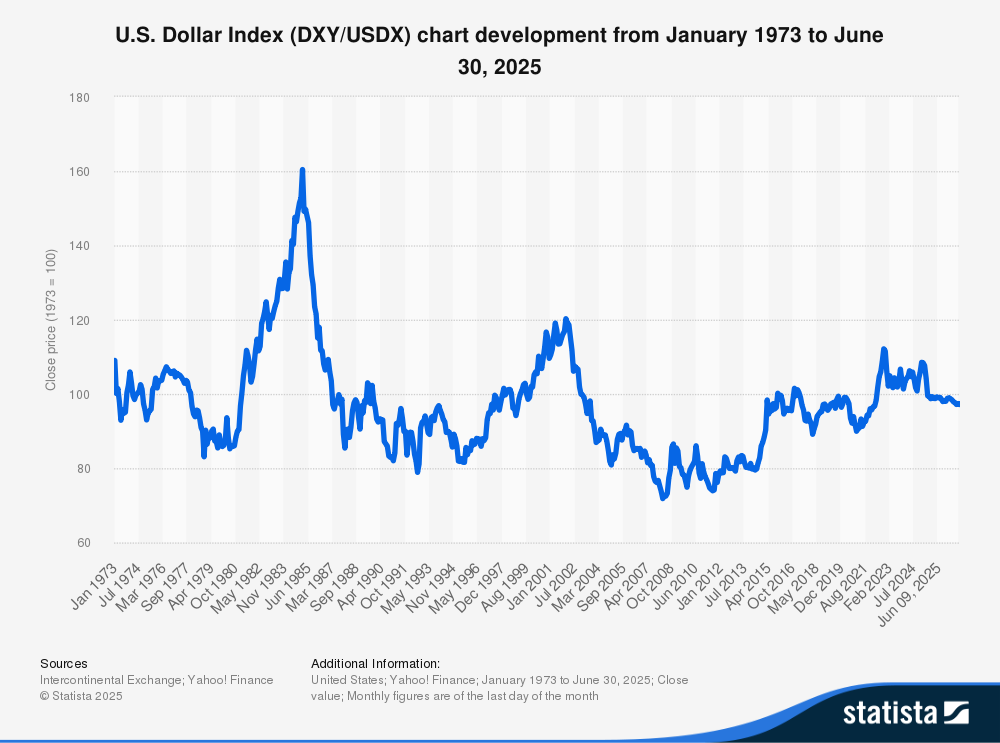
The DXY (the ticker for the US Dollar Index) tracks the dollar against the Euro, the Japanese Yen, the British Pound, the Canadian Dollar, the Swedish Krona, and the Swiss Franc. When the index rises, it indicates that the US dollar is strengthening relative to these six currencies, often signaling a global preference for US-denominated assets during periods of stress.
Market Stabilization and the Balance of Risk
Following the initial spike, the market entered a phase of cautious equilibrium. By Tuesday, April 14, 2026, the US dollar remained largely stable according to Reuters reports. This stability suggests that investors are currently balancing two competing forces: the immediate risks posed by the US Navy’s blockade of Iranian ports and the lingering hope that dialogue between the two nations might resume.
The current stability in the US Dollar Index reflects a “wait-and-see” approach. While the blockade represents a significant escalation, the possibility of continued diplomatic channels prevents a full-scale panic that would typically drive the dollar to even higher extremes. Market participants are closely monitoring whether the blockade leads to a total cessation of oil flow or if it remains a targeted political tool.
Key Takeaways for Global Investors
- Safe-Haven Demand: The initial rise to 98.89 points on April 13 highlights the dollar’s role as a protective asset during Middle East tensions.
- Geopolitical Chokepoints: The blockade of the Strait of Hormuz is the primary driver of current volatility due to its impact on global energy security.
- Currency Correlation: Significant drops in the Yen, Euro, and Pound underscore the broad-based strength of the dollar during this window of instability.
- Current Status: As of April 14 and 15, 2026, the market has shifted from an initial shock to a state of cautious stability.
What This Means for the Global Economy
The interplay between currency values and geopolitical conflict is rarely simple. For global businesses, a strengthening dollar can make imports more expensive for other countries, potentially fueling inflation outside the United States. Conversely, for US-based companies, a strong dollar can make American exports less competitive on the global stage.
the focus on the “petrodollar” remains central to this discussion. Because oil is globally traded primarily in US dollars, any disruption in the oil-producing regions of the Middle East often increases the demand for dollars to settle these trades, creating a feedback loop that can further bolster the currency’s value during a crisis.
As we move forward, the primary indicator for the US Dollar Index will be the status of the blockade and the potential for a diplomatic breakthrough. If negotiations resume and the blockade is lifted, we may see a reversal of the recent gains as investors move back into riskier assets. However, if the blockade persists or escalates into direct military engagement, the flight to the dollar is likely to intensify.
The next critical checkpoint for markets will be the official updates regarding the US Navy’s operations in the Gulf and any formal statements from the Iranian government regarding their response to the port closures. We will continue to monitor these developments and provide updates as they are confirmed.
Do you believe the US dollar will maintain its safe-haven status if energy prices spike further? Share your thoughts in the comments below or share this analysis with your network.