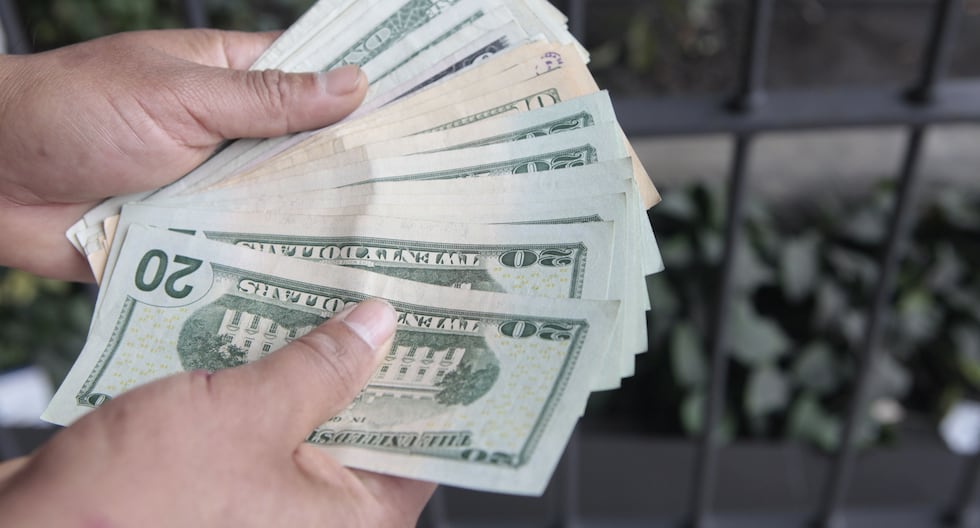
The global currency market is experiencing a notable shift in sentiment as the US dollar experiences downward pressure, driven by evolving geopolitical conditions and domestic electoral cycles. Financial analysts have observed a weakening trend in the greenback, a movement largely attributed to shifting expectations regarding international conflict resolution and investor risk appetite. According to data tracked by Reuters, market participants are increasingly recalibrating portfolios as they weigh potential policy changes stemming from upcoming electoral outcomes against broader macroeconomic indicators.
This volatility in the dollar index—a measure of the currency against a basket of peers—reflects a broader trend in emerging markets where investors are seeking higher yields in currencies that have historically been sidelined during periods of high geopolitical tension. As of mid-2024, the currency’s trajectory remains sensitive to developments in the Middle East, specifically regarding diplomatic efforts between the United States and Iran, which remain a focal point for global energy and currency stability. Financial institutions are closely monitoring these headlines, as any reduction in regional instability typically correlates with a softening of the dollar’s “safe-haven” status.
Geopolitical Drivers and Currency Valuation
The potential for a de-escalation in tensions between the United States and Iran has become a primary variable in foreign exchange forecasting. Historical patterns indicate that when regional conflict risks subside, the demand for the US dollar as a defensive asset wanes, allowing emerging market currencies to recover. As reported by the International Monetary Fund, geopolitical shocks often lead to temporary spikes in the dollar, which subsequently correct once diplomatic channels show progress. Traders are currently pricing in the possibility that a cooling of hostilities could lead to a more sustained period of dollar depreciation, as capital flows move toward higher-growth, risk-on assets.
However, analysts warn that the situation remains fluid. The correlation between diplomatic breakthroughs and currency valuation is not linear, as other factors—such as the Federal Reserve’s interest rate policy—continue to exert a stronger, more foundational influence on the dollar’s value. While geopolitical headlines provide the immediate catalyst for daily fluctuations, the medium-term trend will likely be dictated by the central bank’s stance on inflation and interest rate adjustments in the coming quarters.
The Impact of Electoral Cycles on Market Volatility
Beyond geopolitical risks, the domestic electoral cycle in the United States is introducing a layer of uncertainty that traders are struggling to quantify. Elections historically bring increased market volatility, as participants attempt to hedge against potential shifts in fiscal policy, trade relations, and regulatory environments. According to analysis from the Brookings Institution, while markets often experience heightened sensitivity during election years, the long-term impact on the dollar is frequently overshadowed by structural economic factors such as GDP growth and debt levels.
For investors, the current environment necessitates a cautious approach to currency exposure. The recent downward pressure on the dollar has provided some breathing room for central banks in emerging economies, which have been battling imported inflation caused by a strong greenback. For instance, in nations where central banks are currently weighing interest rate decisions, a weaker dollar allows for greater flexibility in monetary policy without the immediate fear of rapid capital flight.
Market Outlook: What to Expect Next
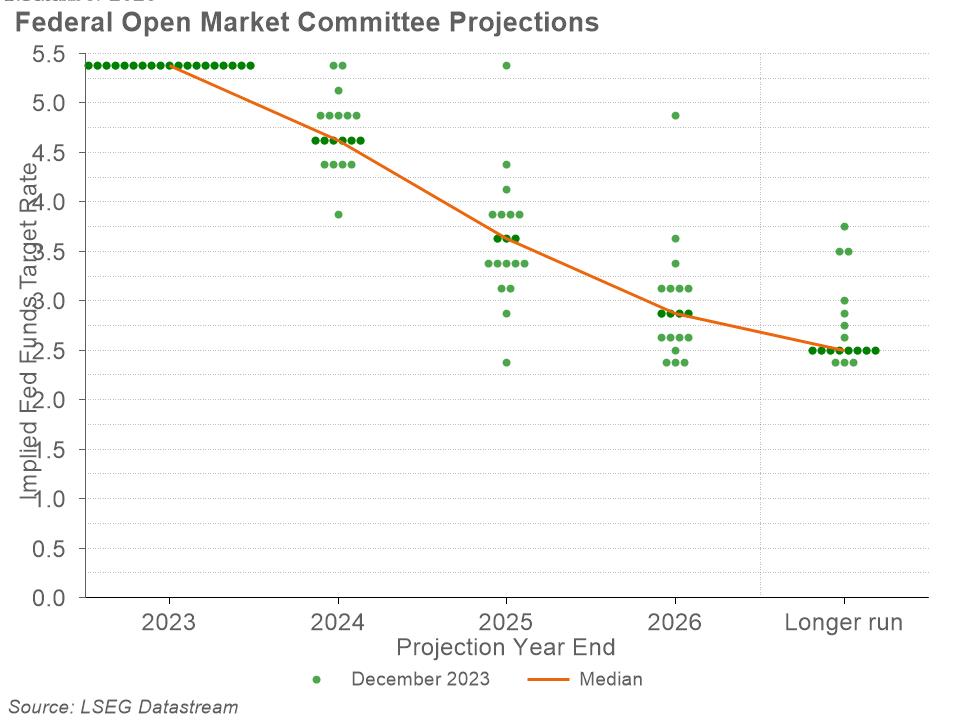
Looking ahead, market participants are directing their attention toward upcoming economic data releases and official statements from the Federal Reserve. The next major checkpoint for currency traders is the next scheduled meeting of the Federal Open Market Committee (FOMC), where officials will provide updated projections for interest rates and economic growth. These documents serve as the primary roadmap for the dollar’s performance through the remainder of the year.
Investors should continue to monitor official channels for updates on foreign policy developments and economic data. As the situation remains subject to rapid change, market participants are encouraged to consult official central bank websites and regulatory filings for the most accurate, real-time information. We welcome your insights on how these global shifts are impacting your portfolio; please join the conversation in the comments section below.