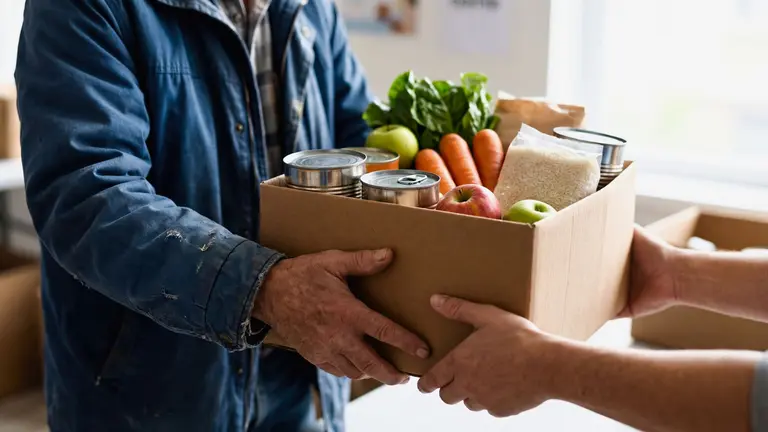
Access to nutritious meals remains a critical challenge for thousands of residents across the Dallas-Fort Worth metroplex. As the region continues to experience economic fluctuations and rising living costs, the network of free food assistance North Texas organizations has become a vital safety net for families, seniors, and individuals facing sudden financial hardship.
Throughout May, a coordinated effort between large-scale food banks, local faith-based organizations, and government agencies ensures that emergency food supplies are distributed across Dallas, Fort Worth, and the surrounding North Texas counties. These programs are designed not only to provide immediate relief but to address the systemic issue of food insecurity in one of the fastest-growing metropolitan areas in the United States.
For those currently struggling to put food on the table, the landscape of assistance is vast but can be tricky to navigate. From mobile pantries that bring groceries directly into underserved neighborhoods to permanent distribution centers, the goal is to eliminate the barriers—such as transportation and documentation—that often prevent the most vulnerable populations from accessing essential nutrition.
The North Texas Food Bank: A Regional Lifeline
The North Texas Food Bank (NTFB) serves as the primary hub for hunger relief across a massive 29-county region, including Dallas, Collin, and Denton counties. Rather than operating as a single pantry, the NTFB functions as a logistics powerhouse, sourcing millions of pounds of food and distributing them to a network of hundreds of partner agencies.
During the month of May, the NTFB emphasizes its “Find Food” digital tool, which allows residents to enter their zip code to locate the nearest active food pantry or mobile distribution site. This system is essential because distribution schedules often vary by location; some pantries operate on a weekly basis, while others offer monthly “pop-up” events to reach “food deserts”—areas where residents lack access to affordable, healthy food options.
Beyond emergency groceries, the NTFB focuses on nutritional quality. Their programs prioritize the distribution of fresh produce, dairy, and proteins, moving away from a reliance on non-perishable canned goods. This shift is critical for combating diet-related health issues in communities where fresh vegetables are otherwise unaffordable or unavailable.
Tarrant Area Food Bank: Serving the Fort Worth Community
While the NTFB covers a broad region, the Tarrant Area Food Bank (TAFB) focuses its resources specifically on Tarrant and Parker counties, ensuring that Fort Worth and its suburbs have dedicated support. TAFB operates a sophisticated network of partner agencies, including churches and community centers, to ensure food reaches those in need without requiring long commutes.
One of the most effective tools employed by TAFB is the mobile pantry. These large vehicles travel to predetermined locations across Fort Worth and surrounding towns, providing a “choice” model of distribution. This model allows individuals to select the items they actually need, which reduces food waste and respects the dignity and cultural preferences of the recipients.
Tarrant Area Food Bank also integrates its hunger relief efforts with other social services. Recognizing that food insecurity is often a symptom of broader instability, many of their partner sites provide referrals for housing assistance, employment services, and healthcare, creating a holistic approach to poverty alleviation in North Texas.
Navigating Government Nutrition Programs
While community food banks provide immediate, short-term relief, long-term stability often requires enrollment in federal and state nutrition programs. In Texas, the primary vehicle for Here’s the Supplemental Nutrition Assistance Program (SNAP), formerly known as food stamps. SNAP provides monthly electronic benefits that can be used at most grocery stores and farmers’ markets.
For women, infants, and children, the WIC program (Women, Infants, and Children) offers specialized nutrition assistance and healthcare referrals. WIC is particularly crucial during the spring and summer months when school-based meal programs—which provide breakfast and lunch to millions of children—are not in session.
Applying for these benefits is handled through the Texas Health and Human Services Commission (HHSC). Residents can apply online or via the “Your Texas Benefits” app. While the application process can be rigorous, these programs provide a consistent monthly budget that reduces the reliance on emergency pantries and allows families to plan their nutrition more effectively.
How to Locate Immediate Food Assistance
For those who cannot wait for government benefit approval and need food immediately, the following steps are the most efficient way to find help in Dallas, Fort Worth, and North Texas:
- Use Digital Maps: Visit the official websites of the North Texas Food Bank or Tarrant Area Food Bank and use their “Find Food” tools. These are updated regularly to reflect current distribution dates.
- Dial 2-1-1: In Texas, dialing 2-1-1 connects residents with a specialist who can provide a list of local food pantries, shelters, and emergency services based on the caller’s current location.
- Check Local Faith-Based Centers: Many churches and mosques in the DFW area operate “hidden” pantries that may not be listed on large regional maps but provide consistent help to their immediate neighborhoods.
- Visit Community Centers: Local libraries and recreation centers often maintain lists of active food drives and distribution schedules for their specific precinct.
Key Takeaways for Seeking Food Help
- Documentation: While many emergency pantries do not require proof of income, some may ask for a photo ID or proof of residency (such as a utility bill) to ensure they are serving their local community.
- Timing: Mobile pantries often have long lines and operate on a first-come, first-served basis. Arriving early is highly recommended.
- Reusable Bags: Many distribution sites encourage residents to bring their own bags or carts to help transport heavy boxes of groceries.
- Dietary Needs: If you have severe allergies or specific dietary restrictions (e.g., diabetic-friendly or gluten-free), inform the volunteers at the distribution site; they can often set aside appropriate items if available.
The Impact of Seasonal Hunger
The month of May marks a precarious transition period for food insecurity in North Texas. As the academic year winds down, the “summer hunger gap” begins to emerge. For many children in the DFW area, school meals represent the only reliable source of nutrition during the day. When schools close for the summer, the burden shifts entirely to parents and community organizations.

To combat this, many North Texas organizations launch “Backpack Programs” or summer meal sites. These programs provide children with bags of food to take home over the weekend or offer free meals at parks and community centers throughout the summer. By initiating these efforts in May, organizations aim to prevent the nutritional dip that often occurs between June and August.
The scale of the need is significant. According to data from Feeding America, food insecurity affects a substantial portion of the Texas population, with urban centers like Dallas and Fort Worth facing unique challenges related to “food deserts”—neighborhoods where the nearest grocery store is miles away and the only available food comes from convenience stores with high prices and low nutritional value.
Frequently Asked Questions
| Question | Answer |
|---|---|
| Do I need to pay for the food? | No. Food provided by the NTFB, TAFB, and their partner pantries is free of charge to those in need. |
| Can I volunteer if I don’t need food? | Yes. Both the North Texas and Tarrant Area Food Banks rely heavily on volunteers for sorting and distribution. |
| Is there a limit on how much I can take? | Limits vary by site. Some use a “choice” model, while others provide pre-packed boxes based on household size. |
| What should I bring to a food pantry? | A photo ID is helpful, though not always required. Bringing your own bags or a folding cart is highly recommended. |
The fight against hunger in North Texas is a continuous effort involving thousands of volunteers and millions of dollars in donations. While the immediate goal is to ensure no one goes to bed hungry in May, the long-term objective remains the creation of a sustainable food system where every resident of Dallas and Fort Worth has reliable access to healthy, affordable nutrition.
The next major milestone for regional food security will be the launch of the Summer Meal Program, typically beginning in late May or early June, which expands free meal sites for students across the metroplex. Residents are encouraged to monitor local school district announcements for specific location and timing details.
Do you have information about a local food pantry or a success story about community support in North Texas? Share your thoughts in the comments below or share this guide with someone who may need assistance.
Keep reading