Federal enforcement of civil rights in the United States has been severely undermined under the administration of President Donald Trump, leaving protected populations with inadequate legal recourse, according to a 112-page report published by Human Rights Watch on August 13, 2026. The comprehensive study, titled Remedies Abandoned: US Civil Rights Enforcement Under the Trump Administration, documents a coordinated systematic dismantling of four key federal oversight bodies between January 2025 and the spring of 2026.
The targeted agencies include the Department of Justice’s Civil Rights Division, which lost approximately 75 percent of its attorneys, and the Department of Education’s Office for Civil Rights, which laid off nearly half of its workforce in a single day while shuttering 7 of its 12 regional offices. Additional staffing reductions hit the Fair Housing Office within the Department of Housing and Urban Development, alongside the Equal Employment Opportunity Commission (EEOC), which saw its staff levels drop to their lowest point in over 40 years, according to findings cited by Human Rights Watch.
“The Trump administration is attacking initiatives aimed at combating discrimination without proposing any alternative,” said Trey Walk, a researcher with the US program at Human Rights Watch. “While pretending to protect all Americans, the administration is dismantling the mechanisms that communities have long turned to for redress.”
Historical Context and Modern Legal Framework
The modern apparatus of federal civil rights enforcement traces its lineage directly to the post-Civil War Reconstruction era. Following the abolition of slavery, Congress established the Department of Justice in 1870, empowering federal authorities to prosecute Ku Klux Klan violence and defend the voting rights of newly emancipated Black citizens. A century later, persistent state-level resistance to racial equality prompted Congress to enact sweeping anti-discrimination statutes. Legislation such as the Civil Rights Act of 1964, the Voting Rights Act of 1965, and the Fair Housing Act of 1968 formed the bedrock of modern federal oversight.
According to research compiled in the Human Rights Watch report, the systematic reduction of these protective bodies began on day one of President Donald Trump’s second term. The administration initiated mass buyout and departure offers under the banner of government efficiency, effectively removing career, nonpartisan civil servants from critical oversight positions. Executive orders restricting diversity programs further altered the operational mandate of the Department of Justice and associated agencies, resulting in internal directives that barred staff from communicating directly with discrimination victims and placed major investigations on indefinite hold.
Impact on Ongoing Cases and Institutional Policy
The retrenchment at federal agencies has directly impacted active litigation and administrative compliance monitoring across the country. Watchdog organizations have cataloged nearly 70 instances where the Department of Justice dropped ongoing litigation, abandoned court-enforced police reform agreements in jurisdictions such as Louisville and Minneapolis, or withdrew support from key voting rights cases.
Data highlighted in the assessment shows that the Department of Education resolved zero racial harassment cases in 2025, a stark shift following a record number of complaints filed by Black and Latino students during the prior year. Furthermore, the education agency reportedly halted tracking and enforcing protections for transgender students. Within the housing sector, the Department of Housing and Urban Development closed at least 115 fair housing complaints without issuing formal findings regarding underlying discrimination claims.
The administration also ordered federal bodies to scale back enforcement frameworks surrounding disparate impact—a legal doctrine recognizing discrimination through adverse outcomes rather than explicit intent. Rules abandoning disparate impact analysis began rolling out in December 2025. In addition, the administration targeted institutional diversity initiatives, threatening universities and employers maintaining diversity plans in doctoral admissions and faculty hiring without offering alternative strategies to address historical exclusion.
Response from Federal Authorities and Local Options
Before publishing its findings, Human Rights Watch contacted the White House Counsel’s Office alongside the four scrutinized federal agencies. The Department of Justice Civil Rights Division responded in writing that it would “address and deter unlawful discrimination wherever it exists” and would “no longer pretend that federal civil rights laws protect only certain Americans.”
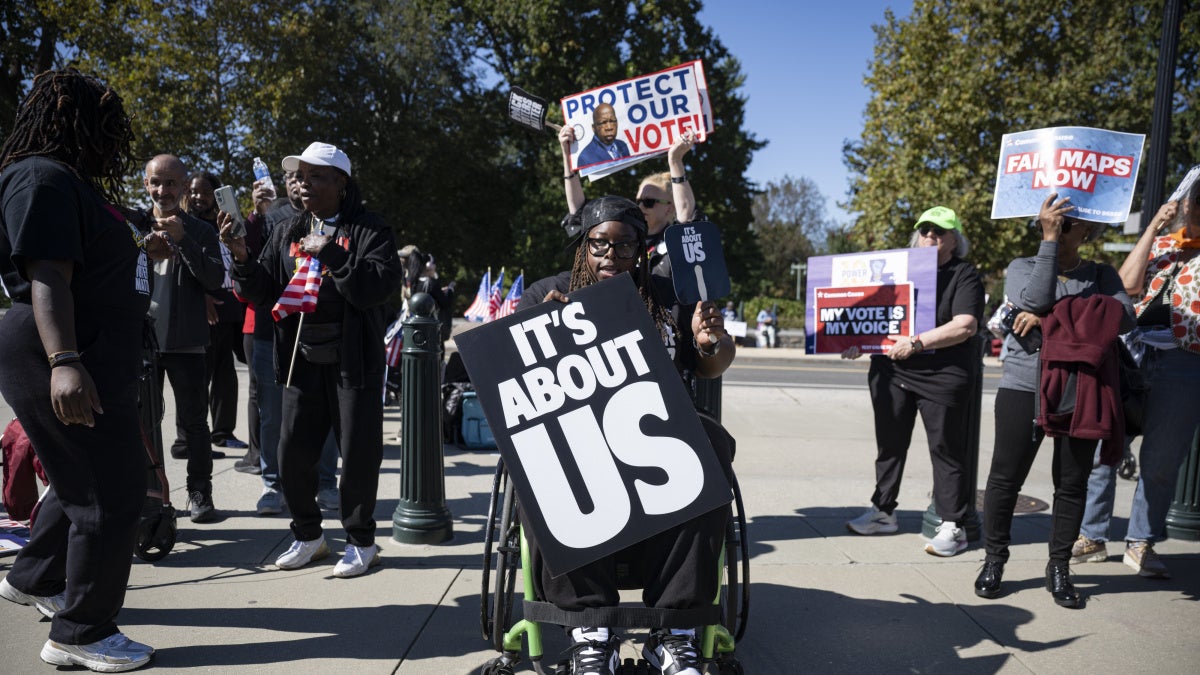
Independent legal observers and civil rights advocates note that private attorneys and nonprofit organizations face intense strain trying to fill the enforcement void. The administration has initiated scrutiny against pro bono law practices and reduced funding for local fair housing organizations. Consequently, researchers emphasize that state and local governments must utilize available legislative tools to protect vulnerable populations, though local municipalities cannot fully replace dismantled federal infrastructure.
“While the government defaults on its obligations, US states and cities should use every tool at their disposal to enforce them,” Trey Walk concluded. “But no action taken by other groups or agencies can fully replace what has been dismantled in Washington. Congress should act now to remedy these wrongs before more people are left without recourse.”
Keep reading