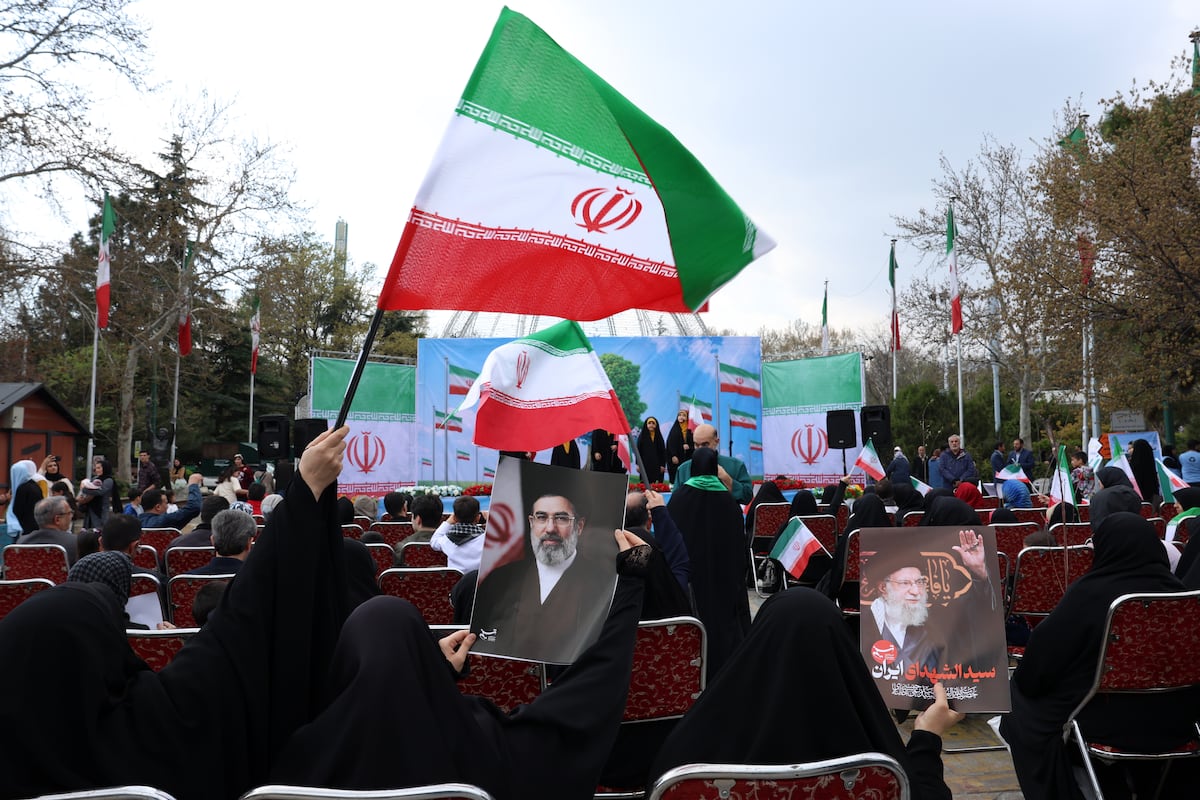
Sofia, Bulgaria – The conflict between the United States and Israel against Iran has entered a volatile recent phase, marked by escalating military actions and significant political upheaval within the U.S. Government. Recent developments include the death of Iran’s Supreme Leader, Ayatollah Ali Khamenei, in coordinated attacks, a fierce response from Iran, and the unexpected removal of the U.S. Army Chief of Staff, General Randy George, by Secretary of Defense Pete Hegseth. These events are rapidly transforming the situation into a wider regional war, with implications for global energy markets and international security.
The coordinated strikes by the U.S. And Israel over the weekend resulted in the death of Ayatollah Khamenei and numerous other high-ranking Iranian officials, triggering a strong retaliatory response from Tehran. President Donald Trump has indicated the campaign could last for several weeks, while allies of the United States are preparing to assist in intercepting Iranian missile and drone attacks. The conflict is already spilling over into neighboring countries, with Hezbollah claiming responsibility for attacks against Israel – the first such claims in over a year – and Israel responding with retaliatory fire. Initial reports indicate casualties among U.S. Military personnel, as well as confirmed deaths in Israel and Arab nations in the Gulf region, with Iranian sources reporting several hundred fatalities within Iran itself.
Political Fallout in Washington and the Removal of General George
Amidst the intensifying military operations, a significant shakeup has occurred within the U.S. Department of Defense. Secretary of Defense Pete Hegseth has dismissed General Randy George as Chief of Staff of the Army, a move confirmed by department spokesperson Sean Parnell. According to the Associated Press, George had been in the role since August 2023 and was responsible for organizing the U.S. Army’s land forces. The timing of the dismissal, occurring in the midst of the war in Iran, raises questions about the reasons behind the decision and potential disagreements within the administration regarding the conduct of the conflict. The move comes as President Trump continues to publicly pressure Iran, stating via his social media platform, Truth, that “It’s time for them to make a deal before it’s too late and there’s nothing left of what could be a great country.”
Escalating Regional Tensions and the Blockade of the Strait of Hormuz
The conflict is not limited to direct military engagements between the U.S., Israel, and Iran. The situation is further complicated by the ongoing blockade of the Strait of Hormuz, a critical waterway for global oil shipments. Approximately 2,000 ships are currently stranded in the area, with nearly 20,000 mariners held captive, as Iran maintains its stance of keeping the strait closed to U.S. And Israeli vessels “for the long term.” As reported by El País, British Foreign Minister Yvette Cooper has convened a virtual meeting with representatives from around 40 countries to discuss the possibility of reopening the strait, which previously carried a fifth of the world’s crude oil supply. The disruption to oil traffic is already having a significant impact on global energy markets, and prolonged closure could lead to further economic instability.
Humanitarian Crisis and Reports of Civilian Casualties
The military actions are taking a devastating toll on the civilian population in Iran. According to a report from the United Nations, nearly 2,000 civilians have been killed in the attacks by the U.S. And Israel, and over three million people have been displaced internally. The report highlights that attacks have targeted schools, hospitals, cultural and religious sites, residential buildings, and civilian infrastructure. The situation is particularly dire for vulnerable groups, including the approximately five million Afghan refugees residing in Iran. The UN experts have condemned the recent execution of three men in Qom, Iran, in connection with protests that began in December 2025, warning that this could signal a further escalation of repression within the country. The UN report emphasizes that the human rights crisis in Iran predates the current conflict and is being exacerbated by the ongoing military escalation.
The Succession Question in Iran
With the death of Ayatollah Ali Khamenei, Iran faces the unprecedented challenge of selecting a new Supreme Leader for the first time since 1989. President Trump has urged Iranians to seize this moment to overthrow the current theocratic regime, which he accuses of suppressing protests earlier in the year. Yet, there are currently no indications of widespread unrest or a movement to dismantle the existing political structure. The process of selecting a new Supreme Leader is expected to be complex and potentially contentious, with significant implications for Iran’s future political trajectory and its relationship with the international community. The outcome of this process will be crucial in determining whether the conflict can be de-escalated or whether it will continue to escalate.
Russia’s Role and Evacuation from Bushehr Nuclear Plant
Russia is attempting to navigate a delicate position amidst the escalating conflict. El País reports that Russia is calling for a ceasefire between the U.S. And Israel and Iran, while simultaneously evacuating personnel from the Bushehr nuclear plant in Iran. This evacuation suggests concerns about the potential for the plant to become a target in the conflict, raising fears of a nuclear incident. Russia’s actions highlight the broader international implications of the crisis and the potential for further escalation if the conflict is not contained.
The situation remains highly fluid and unpredictable. The removal of General George adds another layer of uncertainty to the U.S. Military strategy, while the blockade of the Strait of Hormuz continues to disrupt global energy supplies. The humanitarian crisis within Iran is deepening, and the succession question raises concerns about the country’s future stability. The international community is grappling with how to de-escalate the conflict and prevent a wider regional war.
The next key development to watch will be the announcement of a new Supreme Leader in Iran, expected within the coming weeks. Further updates on the efforts to reopen the Strait of Hormuz and the status of diplomatic negotiations between the involved parties will also be critical.
World Today Journal will continue to provide comprehensive and up-to-date coverage of this evolving situation. We encourage readers to share their perspectives and engage in constructive dialogue in the comments section below.
Worth a look