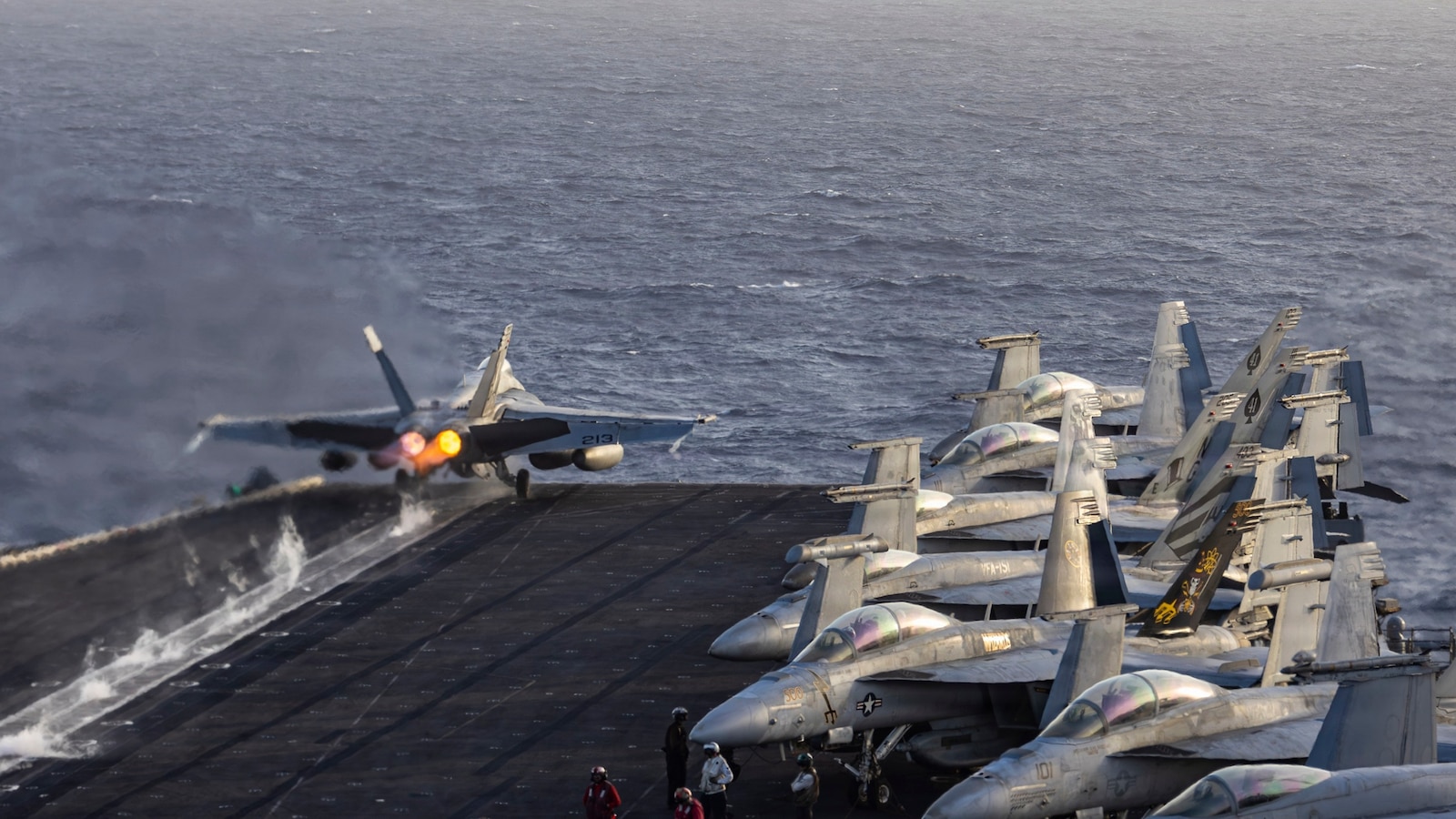
United States military forces conducted additional strikes against multiple targets linked to Iranian-backed groups on Friday, according to an official statement from U.S. Central Command (CENTCOM). The military action follows a recent drone attack on a Singapore-flagged cargo ship in the Strait of Hormuz, an event that has escalated tensions regarding maritime security in one of the world’s most critical energy transit corridors.
The strikes represent a continuation of U.S. efforts to deter regional proxies, which the Pentagon has frequently identified as responsible for disruptions to international shipping and regional stability. According to CENTCOM, the mission was designed to degrade the capabilities of groups operating with Iranian support that have posed a direct threat to commercial vessels and international naval presence in the region.
Operational Context in the Strait of Hormuz
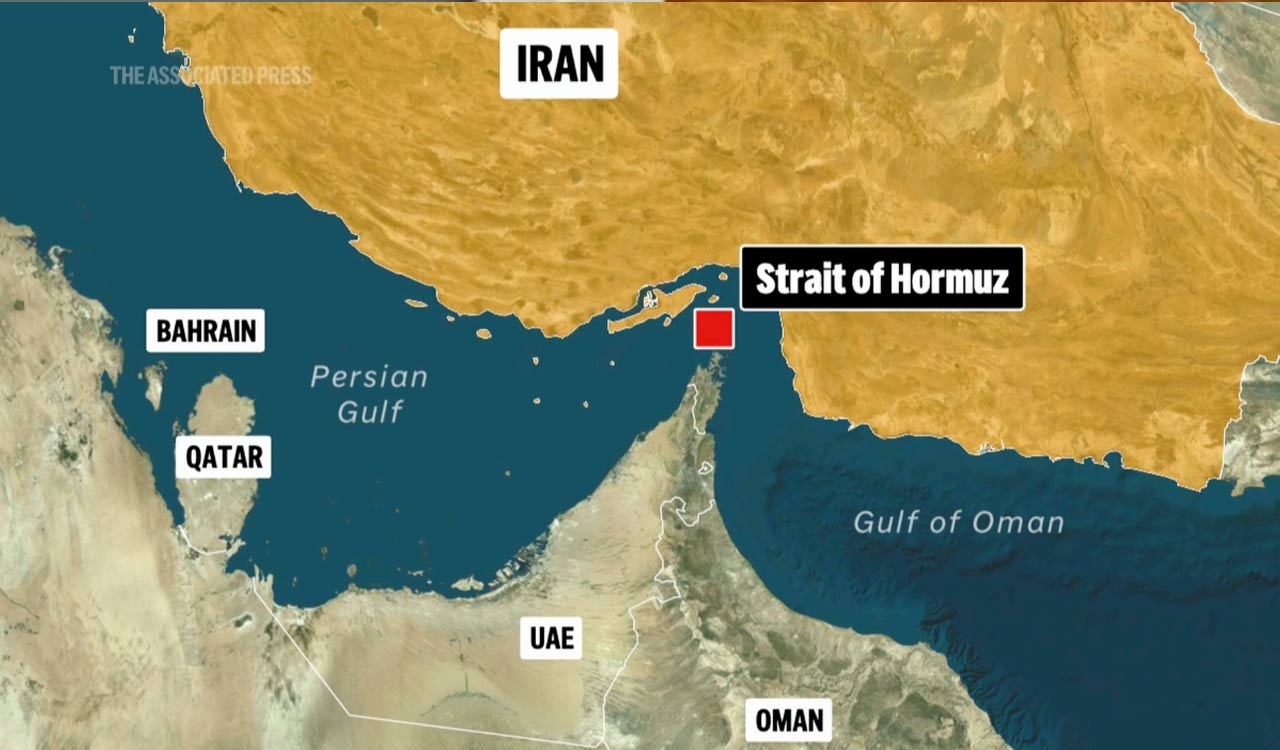
The Strait of Hormuz, a narrow waterway connecting the Persian Gulf to the Gulf of Oman, serves as a vital artery for global oil markets. According to data from the U.S. Energy Information Administration, approximately 20% of the world’s total petroleum consumption passes through this chokepoint daily. The recent drone strike on the Singapore-flagged vessel has prompted heightened surveillance and defensive measures by the U.S. Navy and its regional partners.
Military analysts note that the use of unmanned aerial vehicles (UAVs) against commercial shipping has become a primary tactical challenge for maritime security forces. The U.S. response, as outlined in official briefings, focuses on targeting the launch platforms and logistical support structures used to facilitate these attacks. By conducting these strikes, the U.S. aims to reestablish a deterrent posture in the maritime domain, ensuring the continued flow of global trade through the Gulf.
Strategic Implications for Regional Stability
The escalation on Friday underscores the fragile security environment in the Middle East, where local conflicts frequently intersect with global economic interests. Official statements from the Department of Defense have consistently highlighted that U.S. operations are limited in scope and intended to protect freedom of navigation. According to reports from the Department of Defense, these actions are conducted in accordance with international law and the right to self-defense.
The impact of these strikes extends beyond the immediate military theater. For global markets, the primary concern remains the potential for volatility in energy prices. As of Friday, international shipping entities are monitoring the situation closely, with many insurance providers adjusting risk assessments for vessels transiting the Strait of Hormuz. The stability of this region remains a cornerstone of global economic policy, and the current U.S. strategy reflects a commitment to maintaining open maritime lanes despite persistent threats.
What Happens Next
The U.S. military has indicated that it will continue to monitor regional threats and reserves the right to take further action as necessary to protect personnel and commercial interests. No official timeline for the cessation of these defensive operations has been provided by the Pentagon. Observers are now looking toward the next scheduled update from the U.S. Department of State regarding diplomatic efforts to de-escalate regional tensions and address the underlying drivers of the conflict.

As the situation develops, market participants and international stakeholders are encouraged to monitor official channels for verified updates on maritime safety advisories and regional security developments. Comments or questions regarding the broader economic impact of these events are welcomed as we continue to track this evolving story.
Keep reading