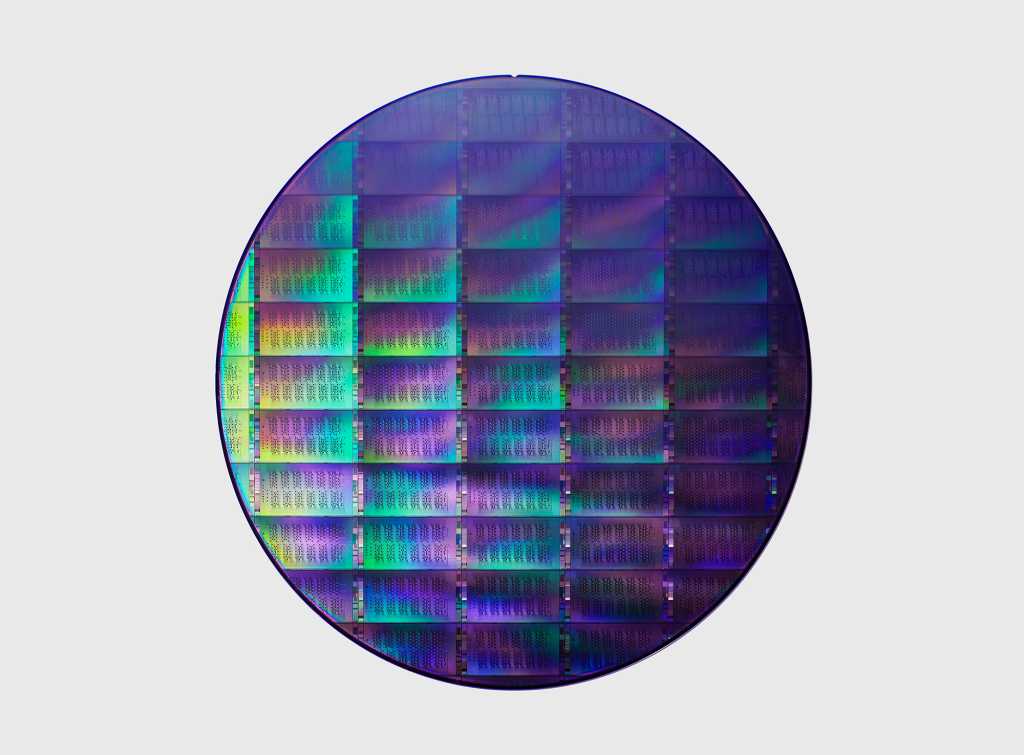
In a significant move to secure the nation’s standing in the emerging quantum landscape, IBM and the U.S. Department of Commerce have announced a Letter of Intent to establish a purpose-built quantum chip foundry. This initiative, centered on the creation of a new standalone company called Anderon, represents a major collaborative effort to advance American quantum innovation and scale the production of advanced quantum wafers.
The project, which is supported by a proposed $1 billion investment in CHIPS incentives from the Department of Commerce, aims to position the United States as a global leader in quantum wafer manufacturing. IBM has committed to matching this investment with $1 billion of its own capital, alongside contributions of intellectual property, essential assets and a highly skilled workforce. The new entity, Anderon, will be headquartered in Albany, New York, where it will operate as a state-of-the-art 300-millimeter quantum wafer foundry.
This partnership is designed to address the growing demands of the quantum computing industry, which is projected to generate up to $850 billion in economic value by 2040. By establishing a dedicated facility for quantum chip fabrication, the initiative seeks to foster a robust ecosystem that supports not only IBM’s internal research but also the needs of a broad range of hardware vendors, thereby bolstering both American economic growth and national security.
Advancing the Quantum Ecosystem
The establishment of Anderon builds upon IBM’s decades of experience in silicon wafer fabrication and quantum research. According to IBM, the company has already successfully developed and tested scalable quantum wafer technology, establishing a clear pathway toward commercialization. By spinning off this specialized production capability into a standalone foundry, the initiative aims to accelerate the transition of quantum technology from laboratory research to practical, market-leading applications.
IBM CEO Arvind Krishna noted that the company’s history in silicon wafer fabrication has been a cornerstone of its success, adding that these efforts will be critical in enabling a broader quantum technology landscape. As the industry moves toward more complex quantum systems, the ability to manufacture high-quality, scalable wafers is viewed as a prerequisite for sustained innovation.
Strategic Investments in Quantum Infrastructure
The Department of Commerce’s involvement is part of a wider strategic effort to ensure that the U.S. Maintains a competitive edge in advanced manufacturing. The proposed $1 billion award for the Anderon foundry is among the most significant government commitments to quantum research and development to date. This federal support is intended to mitigate the high costs associated with building specialized fabrication facilities, thereby lowering the barrier to entry for domestic quantum manufacturing.

Beyond the partnership with IBM, the U.S. Government has also directed investments toward other key players in the quantum sector, including GlobalFoundries, D-Wave Quantum, and Rigetti Computing. These coordinated efforts underscore a national policy focus on building a resilient supply chain for quantum technologies, ensuring that the critical components required for next-generation computing are developed and produced within the United States.
Looking Ahead: Scaling Production
For the broader technology sector, the creation of Anderon represents a critical shift in how quantum hardware is produced. By offering advanced quantum wafer production services to various hardware vendors, the foundry is expected to act as a catalyst for growth across the industry. As the facility in Albany begins its operations, the focus will remain on scaling the manufacturing process to meet the increasing demand for high-performance quantum components.

The collaboration between the public and private sectors highlights the importance of sustained investment in deep tech. As Anderon continues to grow, it is expected that additional investors will join the initiative, further strengthening the financial and operational foundation of the foundry. For stakeholders and industry observers, the progress of this facility will be a key indicator of the health and trajectory of the American quantum computing sector in the coming years.
Official updates regarding the progress of the foundry and future milestones will be provided through the U.S. Department of Commerce and IBM’s corporate newsrooms as the project moves into its development phase. Readers interested in the evolution of quantum manufacturing are encouraged to follow these channels for further announcements.
Worth a look