
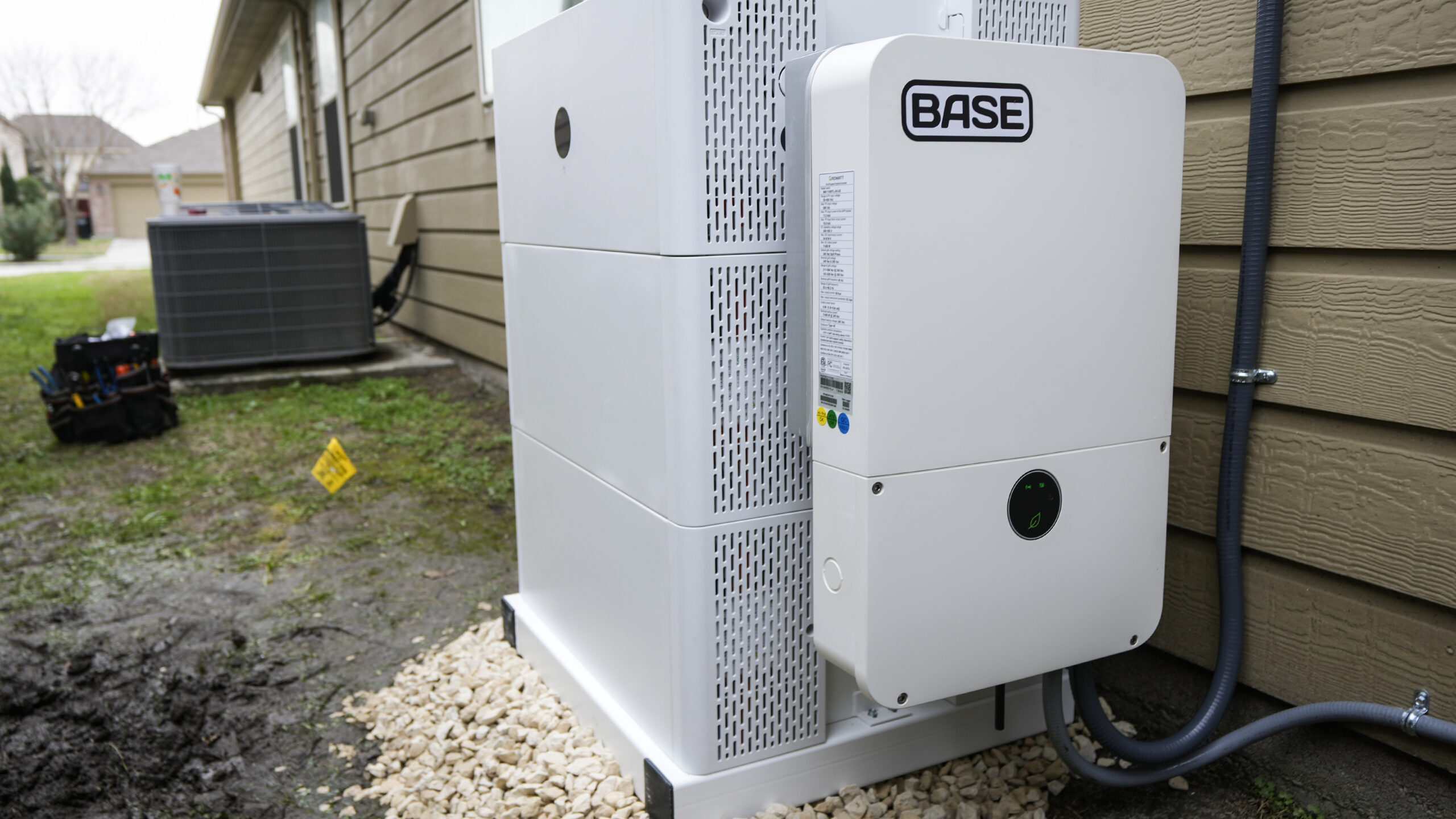
US homeowners are increasingly turning to residential battery systems, with new installations reaching a record 673 megawatts in the first quarter of 2026. According to data from the U.S. Energy Information Administration (EIA), this surge reflects a trend of households pairing energy storage with rooftop solar panels, enabling them to use stored solar energy at night.
This shift is particularly pronounced in regions where electricity prices have climbed significantly, prompting states to implement policies to incentivize home battery installation. While the technology serves as a practical solution for individual homeowners, this distributed storage capacity could unlock a more flexible energy supply for power grid operators and even AI data centers.
Drivers of the Residential Storage Boom
The record-breaking adoption of home batteries is largely concentrated in states that have already successfully boosted rooftop solar adoption among homeowners. California and Hawaii account for the majority of new residential battery storage, according to the EIA.

Beyond the West Coast and Pacific, Texas and Arizona also saw significantly higher numbers of installations. Bloomberg News reported that the trend was driven by states with high electricity prices that have implemented policies to incentivize home battery installation.
The Role of Grid Flexibility and AI Demands
The trend could unlock a more flexible energy supply for power grid operators and even AI data centers.
This flexibility is becoming increasingly relevant for the technology sector. The expansion of AI data centers has created demand, often challenging the capacity of existing infrastructure. This integration represents a shift in how residential energy assets are valued by utility providers.
Policy Impacts on Consumer Adoption
State-level incentives remain the most significant variable in the rate of battery adoption across the United States. In states where policy mandates have successfully lowered the barrier to entry, installation numbers have consistently outpaced regions without such support.
Homeowners looking to understand available incentives can consult the U.S. Department of Energy’s database of tax credits and rebates, which provides updated information on federal and state-level support for residential energy systems. As more homeowners look to offset rising utility bills, these financial mechanisms are expected to remain the primary engine for continued growth in the sector throughout the remainder of 2026.
The industry awaits further data from the U.S. Energy Information Administration in their next quarterly update, which will provide a clearer picture of whether the Q1 record marks a sustained shift or a temporary peak in residential battery deployment. Readers are encouraged to monitor local utility commission websites for upcoming public hearings regarding net metering and energy storage policies in their respective states.