
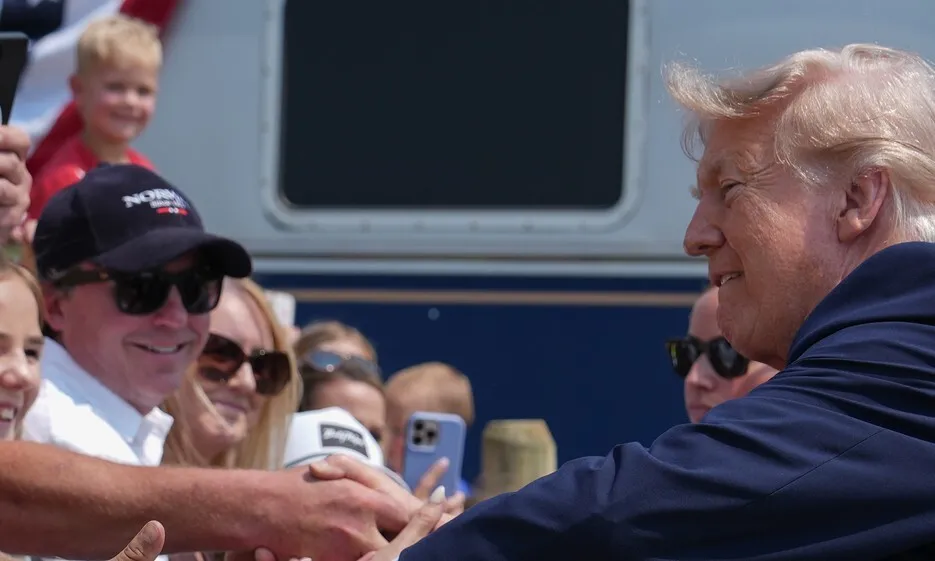
As the United States approaches the 249th anniversary of its independence, preparations for official celebrations in Washington, D.C., are drawing scrutiny over the intersection of civic tradition and political messaging. While the National Park Service and local authorities finalize logistics for the July 4th festivities, questions regarding the tone of the event—and the potential for it to serve as a partisan platform—have emerged among observers and critics alike.
The upcoming celebrations, which serve as a prelude to the nation’s 250th anniversary in 2026, are expected to feature large-scale public displays, including traditional fireworks and official addresses. However, the planning process has been marked by a debate over whether these taxpayer-funded events maintain their character as non-partisan national observances or shift toward the style of campaign-adjacent political rallies.
Logistics and Environmental Concerns
The scale of the planned pyrotechnics has prompted specific warnings from government agencies regarding public health. According to an advisory from the U.S. Environmental Protection Agency (EPA), the density of fireworks displays in the capital often leads to a temporary but significant spike in fine particulate matter (PM2.5). These substances can reach levels deemed hazardous to sensitive populations, including individuals with respiratory conditions or cardiovascular issues, as noted in recent AirNow air quality monitoring reports.

Logistical challenges for the July 4th event also include managing the massive crowds expected to congregate on the National Mall. City officials and federal partners are tasked with balancing public safety mandates, which involve strict security perimeters and controlled access points, with the traditional openness of the holiday. The National Park Service, which manages the Mall, has historically coordinated these efforts, though the coordination between the agency and the executive branch has been a point of tension during past administrations when political figures sought to alter the format of the celebration.
The Debate Over Political Tone
Critics of the current planning trajectory argue that the infusion of political rhetoric into Independence Day celebrations risks alienating segments of the public. Historically, July 4th has functioned as a day of national unity, intended to transcend the polarization that characterizes modern American political life. Observers point to the increasing difficulty of maintaining this neutrality, as high-profile figures often utilize the media spotlight of the holiday to deliver messages that resonate primarily with their specific political bases.

The Declaration of Independence, the document that established the United States as a sovereign nation, is often cited by historians as a symbol that should remain above the fray of partisan competition. Analysts suggest that when official government events prioritize a “showman” approach—characterized by theatrical staging and highly personalized speeches—they deviate from the somber and celebratory tone traditionally associated with the birth of the republic.
Looking Toward the 250th Anniversary
The intensity of the current debate is heightened by the proximity of the nation’s semiquincentennial. With the U.S. Semiquincentennial Commission already coordinating nationwide projects for 2026, there is a heightened awareness regarding how the federal government chooses to represent American history. The current friction over the July 4th format is viewed by some policy experts as a preview of the challenges the country will face in managing the narrative and tone of its 250th birthday.

For those attending the events in Washington, the primary focus remains the balance between safety, tradition, and the potential for unexpected political theater. Authorities have not yet released the final schedule of speakers or specific security protocols, but updates are expected to be published via the National Park Service official event portal as the date approaches.
As the holiday draws closer, public discourse continues to reflect the broader divisions within the country. Whether the upcoming celebration succeeds in fostering a sense of shared identity or further highlights the “half-party” reality of a divided electorate remains to be seen. Readers are encouraged to monitor local news outlets and the National Park Service website for the most accurate information regarding road closures, prohibited items, and event schedules.