
Diplomatic tensions between New Delhi and Washington have intensified following a maritime incident in the Middle East that reportedly resulted in the deaths of three Indian nationals. The event, which occurred during a U.S.-led naval operation, has disrupted bilateral relations as Prime Minister Narendra Modi and President Donald Trump prepare for scheduled meetings on the sidelines of the G7 summit. Both governments are currently working to address the fallout from the engagement, which has become a significant point of friction in the broader Indo-U.S. strategic partnership.
The incident involved a vessel intercepted during the enforcement of a maritime security initiative. According to initial reports from regional observers, the deaths of the Indian sailors have prompted urgent inquiries from the Indian Ministry of External Affairs. While the U.S. Department of Defense has acknowledged the operational nature of the blockade, specific details regarding the rules of engagement and the identification of the vessel remain under official review. For a comprehensive overview of current maritime security protocols in the region, readers can refer to the U.S. Central Command official portal.
Operational Context of the Maritime Incident
The maritime blockade in question is part of a broader, multi-national effort to secure commercial shipping lanes in the Middle East, a region where energy transit is highly sensitive. The U.S. military maintains a persistent presence in these waters to deter regional threats, frequently coordinating with international partners to monitor irregular traffic. As reported by the Reuters news agency, naval forces are authorized to use force when vessels fail to comply with identification protocols or pose a credible threat to security assets.
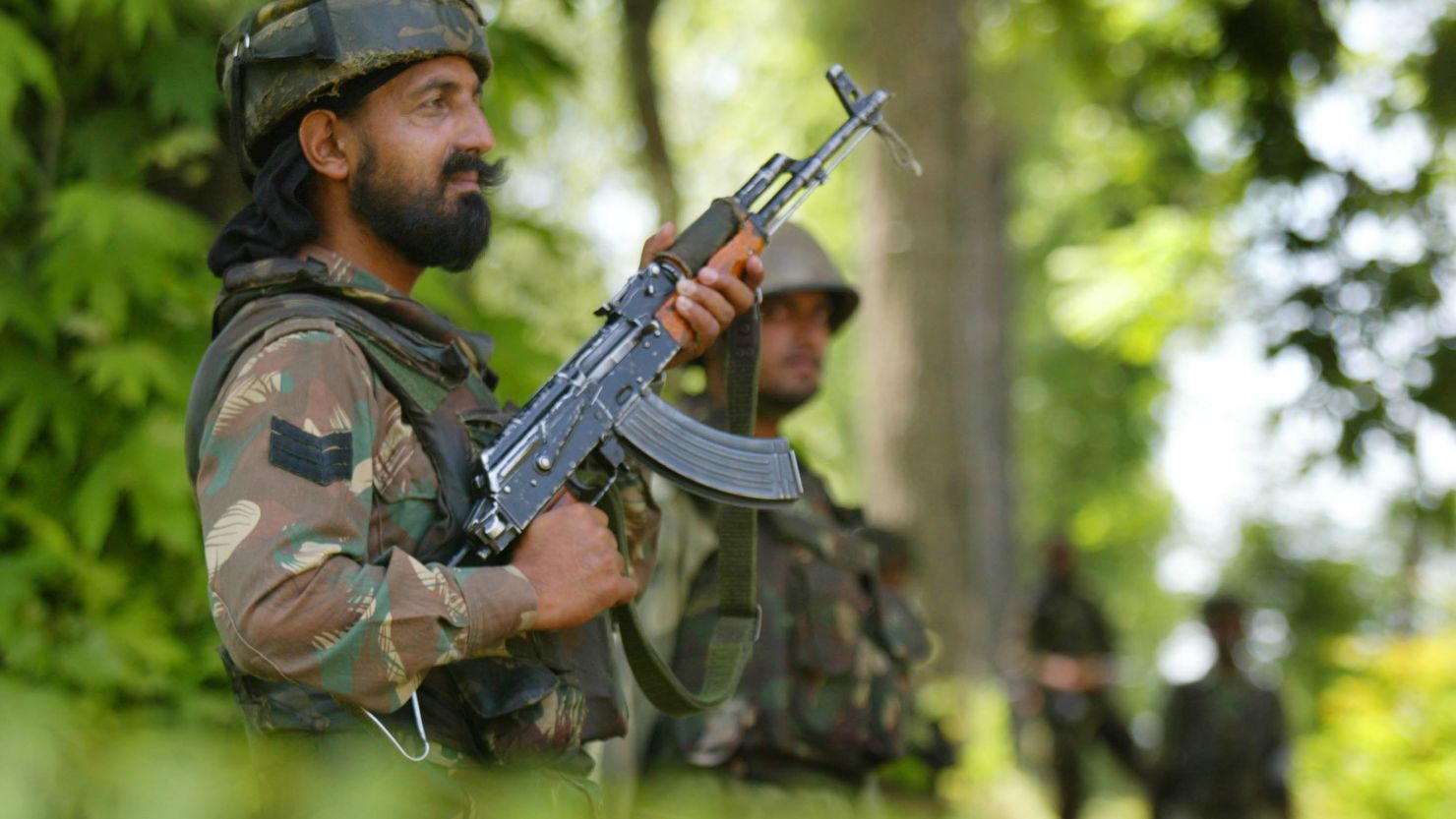
The death of three Indian nationals has introduced a complex human rights and diplomatic dimension to these operations. The Indian government has requested a formal accounting of the incident, emphasizing the need for transparency in how naval blockades are enforced against civilian-flagged or transit-capable vessels. Officials in New Delhi have indicated that while the strategic partnership with the United States remains a priority, the safety of Indian citizens abroad is a non-negotiable concern. Background on current maritime law and the rights of transit vessels can be found via the United Nations Convention on the Law of the Sea.
Diplomatic Implications for the G7 Summit
The timing of the incident has complicated the diplomatic agenda for the upcoming G7 summit. Prime Minister Modi and President Trump were expected to focus on trade, technology transfers, and regional security cooperation. Instead, the meeting is now expected to prioritize a “reset” of bilateral communications to prevent the maritime tragedy from causing a long-term rift in the relationship. Analysts noted that the incident serves as a reminder of the risks associated with overlapping security interests in high-tension zones.
According to reports from the Associated Press, the Indian delegation is pushing for a standardized notification process for maritime interceptions involving their citizens. Washington, meanwhile, is navigating the challenge of maintaining operational security while addressing the grievances of a key strategic partner. The ability of the two leaders to reach a consensus on investigative measures will likely determine the trajectory of the U.S.-India relationship for the remainder of the year.
Looking Ahead: Accountability and Next Steps
The immediate next step for both nations involves an independent verification of the circumstances surrounding the vessel’s interception. The Indian Ministry of External Affairs has scheduled a briefing for later this week to provide updates on their communication with the U.S. State Department. Any formal findings will be subject to intense scrutiny by both the Indian Parliament and the U.S. Congress, as lawmakers on both sides seek to understand the chain of command that led to the use of lethal force.
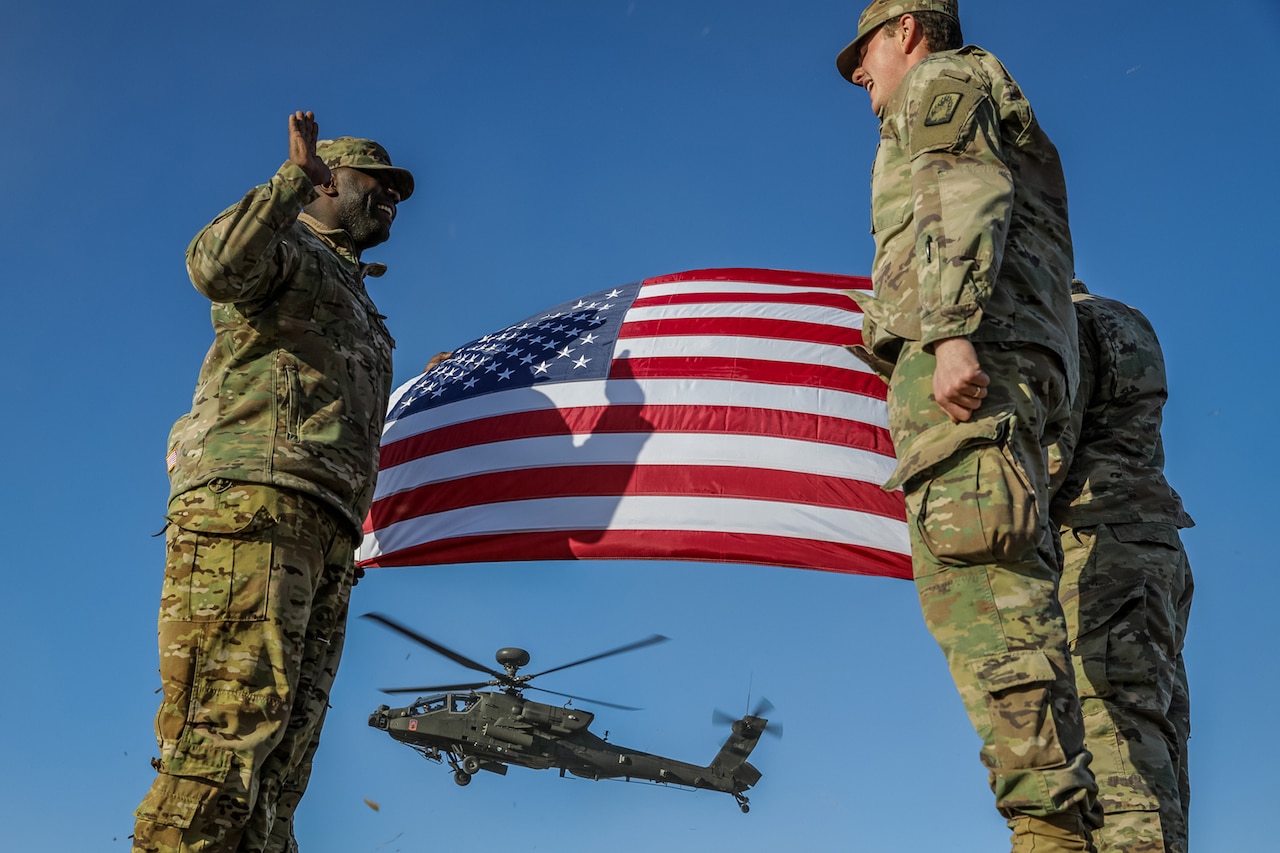
For those following this developing story, official updates will be posted to the Ministry of External Affairs of India website and the U.S. Department of State press office. The international community continues to monitor these developments, as the incident highlights the fragility of maritime security arrangements in volatile corridors. We encourage our readers to participate in the conversation by sharing their perspectives on the balance between regional security and the protection of sovereign rights in international waters.
Keep reading
- Ukraine Launches Massive Drone Offensive: Second Largest Attack of the War Hits Russian Regions
- Why Seattle Passed at the 1-Yard Line: The Super Bowl XLVIII Blunder
- Ceuta Migrant Crisis: Thousands Remain Stranded After Border Breach (time.news)
- Kim Jong Un’s Sister Slams Japan As A Belligerent State Amid Military Buildup (newsdirectory3.com)