
Trump administration Weighs New Tariffs as US-China Tensions Escalate
The potential for a significant escalation in trade tensions between the United States and China is growing, with the Trump administration considering further tariffs in response to Beijing’s recent restrictions on rare earth exports. These developments come ahead of a potential meeting between President Trump and Chinese President Xi Jinping in South Korea later this month.
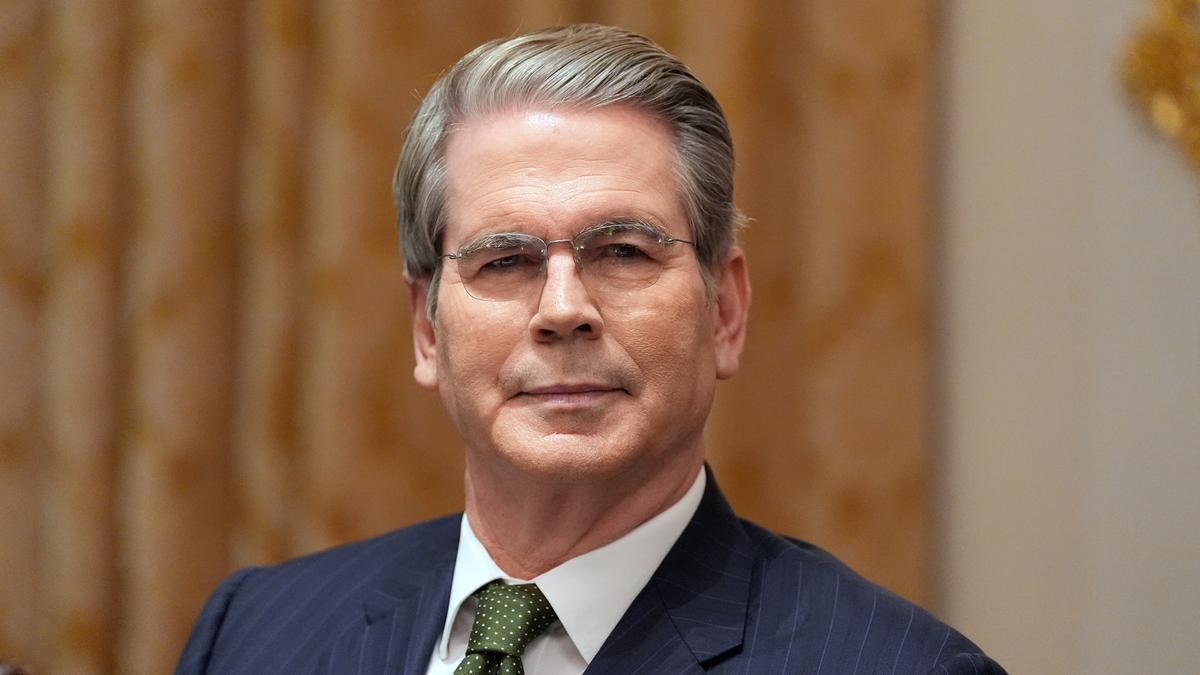
treasury Secretary Bessent recently articulated the administration’s stance, emphasizing a firm resolve to protect U.S. sovereignty. He stated that China’s economic model – a “command-and-control economy” – will not dictate U.S. policy.
Key Points of the Situation:
* The U.S. is actively seeking support from allies, including European nations, India, and democracies throughout Asia.
* Secretary Bessent warned of “provocative” actions from China, framing the nation as “financing war” while the U.S. pursues peace.
* President trump has publicly sought to downplay fears of a full-blown trade war, suggesting China’s economic difficulties will resolve themselves.
Trump Signals Willingness to Assist china
Despite threats of a 100% tariff on Chinese imports, President Trump expressed a surprising willingness to assist China economically. In a post on Truth Social, he stated, “The USA wants to help China, not hurt it!!!” He attributed recent Chinese actions to a ”bad moment” for President Xi, suggesting a desire to avoid economic depression in China.
This sentiment contrasts sharply with the more hawkish rhetoric from secretary Bessent and the ongoing consideration of increased tariffs. You might be wondering about this apparent disconnect. It highlights the complex and often unpredictable nature of the Trump administration’s approach to international trade.
Rare Earths: A Critical Component of the Dispute
At the heart of the escalating tensions lies China’s dominance in the rare earths market. China controls approximately 70% of global rare earths mining and nearly 90% of processing capacity.These materials are essential for advanced manufacturing and military technology, giving China significant leverage.
Beijing’s recent restrictions on rare earth exports prompted President Trump’s threat of a 100% tariff, a move intended to counter what the administration views as economic coercion. However, the administration is now attempting to navigate a path that balances assertive pressure with potential cooperation.
Impact on India and Global Trade
The situation extends beyond the U.S.-China dynamic. The Trump administration has already imposed substantial tariffs on India, including 25% reciprocal tariffs and an additional 25% levy on purchases of Russian oil. this brings the total duties imposed on India to 50%, among the highest globally.
India has formally protested these tariffs, deeming them “unjustified and unreasonable.” These actions demonstrate a broader pattern of the U.S. employing tariffs as a tool of economic pressure across multiple trade relationships.
Looking Ahead
The coming weeks will be crucial. A meeting between President Trump and President Xi jinping is anticipated in late October, offering a potential prospect for direct dialog. However, the differing signals emanating from the administration - Secretary Bessent’s firm stance versus president Trump’s conciliatory tone - create uncertainty.
You can expect continued volatility in global markets as the situation unfolds. The outcome will have significant implications for international trade, supply chains, and the broader geopolitical landscape. The U.S. currently has 55% tariffs on Chinese goods.
published - October 15, 2025 07:24 am IST


![Remembering [Activist’s Name]: A Hungarian Hero’s Legacy
or
[Activist’s Name]: Honoring a Champion of Hungarian Freedom
or
Hungarian Activist [Activist’s Name] – Life, Work & Remembrance](https://i0.wp.com/www.hrw.org/sites/default/files/styles/opengraph/public/media_2025/12/202512eca_hungary_Gyula%20Balog.jpg?resize=330%2C220&ssl=1 "Remembering [Activist’s Name]: A Hungarian Hero’s Legacy
or
[Activist’s Name]: Honoring a Champion of Hungarian Freedom
or
Hungarian Activist [Activist’s Name] – Life, Work & Remembrance")


