
The geopolitical landscape in the Middle East remains fraught with tension, and recent reports circulating in international media regarding the alleged downing of a United States F-15 fighter jet by a Chinese-made portable missile system have sparked significant concern among defense analysts. As the Editor of the World section here at World Today Journal, I have spent over 14 years tracking the complexities of regional conflicts, and I must emphasize the importance of distinguishing between verified military intelligence and the speculative narratives that often emerge in the wake of high-stakes security incidents.
Currently, there is no official confirmation from the United States Department of Defense or the Iranian government substantiating claims that an American F-15 has been downed by any foreign-made man-portable air-defense system (MANPADS). While the proliferation of sophisticated weaponry—including various iterations of surface-to-air missiles—continues to be a subject of intense scrutiny by the Stockholm International Peace Research Institute (SIPRI), which tracks global arms transfers, any assertion linking specific Chinese hardware to an attack on a U.S. Asset remains, at this hour, unverified and unsubstantiated by credible military oversight bodies.
Understanding the Context of Aerial Security and Regional Tensions
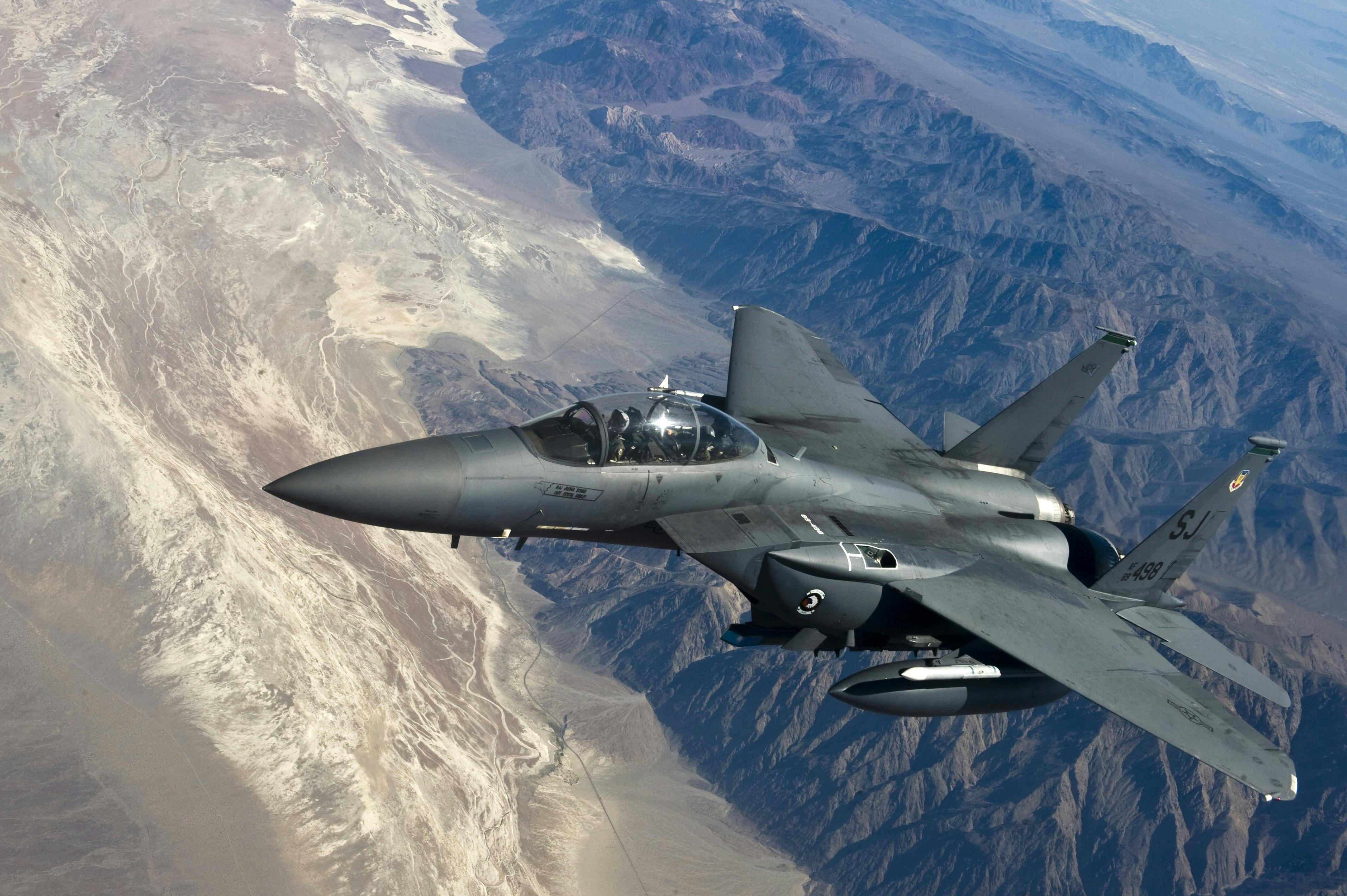
The F-15 Eagle, a cornerstone of American air superiority for decades, is equipped with advanced electronic warfare suites and countermeasures designed to detect and neutralize incoming threats. When reports of such a high-profile loss surface, they are typically met with immediate scrutiny by the U.S. Department of Defense, which maintains rigorous protocols for investigating aviation mishaps and combat losses. To date, the Pentagon has not issued any press releases or operational summaries confirming the loss of an F-15 in the Iranian theater of operations.
The conversation regarding “Chinese-made missiles” often stems from the prevalence of various MANPADS designs in the global black market, many of which are clones or derivatives of older Soviet-era technology. However, tracing the provenance of a specific weapon system in a conflict zone is a notoriously difficult task, often requiring forensic analysis of wreckage that is rarely accessible to independent, international observers. As I have noted in my previous reporting on Balkan and Middle Eastern conflicts, the “fog of war” is frequently exacerbated by disinformation campaigns intended to project strength or sow discord among regional rivals.
The Reality of Global Arms Proliferation
China’s role in the global arms trade is significant, yet it is governed by international treaties and domestic export regulations. According to the United Nations Office for Disarmament Affairs (UNODA), nations are expected to adhere to the Arms Trade Treaty, which aims to prevent the illicit diversion of conventional arms. While China has been a major exporter of military hardware, the suggestion that its systems are being used in a direct, state-sanctioned attack on U.S. Forces would represent a massive escalation in global hostilities—a development that would be accompanied by immediate diplomatic repercussions and official statements from both Washington and Beijing.

For our readers, it is essential to look toward primary sources for updates on regional security. The United States Central Command (CENTCOM) provides the most reliable information regarding ongoing operations in the Middle East. If an incident of this magnitude were to occur, it would be documented through official military channels, not via the fragmented reports currently proliferating across various digital outlets.
Key Considerations for Discerning Defense News
- Verify the Source: Always prioritize official statements from the Department of Defense or recognized international monitoring bodies over unverified social media claims.
- Analyze the Motivation: Consider why a specific narrative—such as the involvement of a third-party nation’s technology—is being introduced into the media cycle at this specific time.
- Technical Plausibility: Understand the capabilities of the hardware in question. Modern fighter jets are rarely vulnerable to legacy portable systems without significant, highly specific tactical conditions being met.
What Happens Next: Monitoring Official Channels
As we continue to monitor the situation, our editorial team at World Today Journal remains committed to providing you with verified, fact-based reporting. We are currently tracking the daily briefings from the Pentagon and the foreign ministries of the involved nations for any mention of aviation incidents in the region. Should any official investigation be launched or any confirmed report be released regarding U.S. Military assets, we will provide an in-depth analysis of the implications for global security.
For those interested in the broader picture of regional stability, I recommend reviewing the latest updates from the International Institute for Strategic Studies (IISS), which provides comprehensive data on military capabilities and regional trends. We invite our readers to stay engaged and share their thoughts in the comments section below as we continue to track this evolving story with the rigor and impartiality that our global audience expects.
Related reading