A 60-day window for negotiations between the United States and Iran regarding the long-standing nuclear and regional security standoff is scheduled to begin this Thursday, according to recent statements from U.S. officials. This diplomatic timeline follows ongoing international efforts to stabilize tensions in the Middle East, where military operations and geopolitical maneuvering remain fluid.
As the international community monitors these developments, the U.S. and Iranian delegations are expected to engage in a structured period of dialogue. While the U.S. administration has characterized this timeframe as a mechanism to address critical security concerns, the specific parameters of the discussions remain subject to broader regional pressures, including the ongoing conflict involving Israel and various regional proxies, as reported by the Reuters news agency.
The Diplomatic Framework and Regional Context
The commencement of the 60-day negotiation period represents a strategic attempt by the U.S. to manage Iranian nuclear advancements and regional influence through structured diplomacy. According to reports from the France 24 international news service, the agreement aims to address key points of contention that have fueled recent instability. These negotiations are occurring against the backdrop of significant shifts in the Middle East, including the recent ceasefire developments in Lebanon.
The Israeli government has maintained a reserved stance regarding the direct U.S.-Iran negotiations. While Israel has not issued a formal statement endorsing the 60-day diplomatic window, security officials have confirmed that the Israel Defense Forces (IDF) will maintain a strategic deployment in southern Lebanon to ensure compliance with existing security arrangements, as noted in the most recent Le Monde live briefing on the regional conflict.
Geopolitical Implications of the 60-Day Window
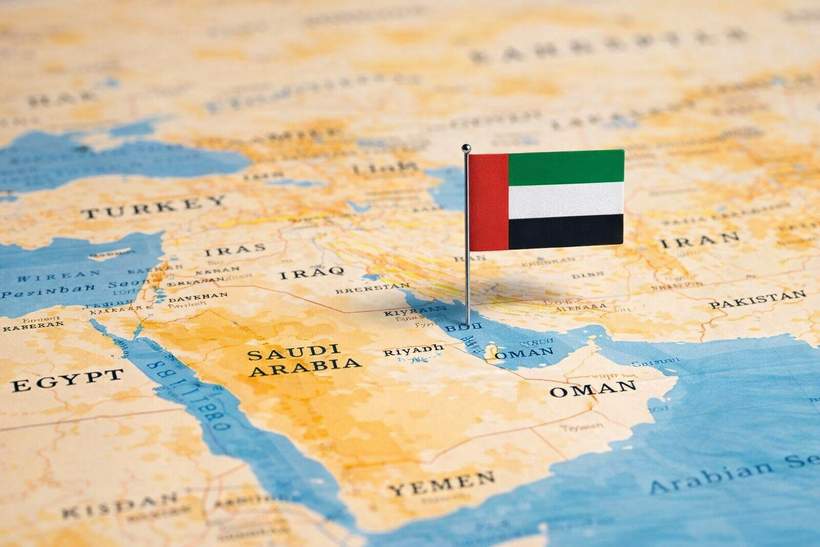
The effectiveness of this 60-day period depends heavily on the willingness of both Tehran and Washington to adhere to the proposed terms. International analysts suggest that the urgency of these talks is underscored by the volatility of key maritime transit points. The Strait of Hormuz, a critical artery for global energy supplies, has recently seen a reduction in blockage threats, though regional analysts warn that underlying tensions remain a significant factor in global market stability, according to analysis from Geo Magazine.
The economic impact of these negotiations extends beyond nuclear policy. Governments globally are closely watching for signs of de-escalation that could alleviate pressures on energy prices. In some jurisdictions, officials have expressed cautious optimism that the stabilization of regional transit routes will assist in resolving ongoing fuel supply chain challenges, as reported by Medias24.
Key Stakeholders and Future Developments
The success of the upcoming negotiations will be measured by the ability of the parties to establish verifiable milestones within the two-month timeframe. For the United States, the priority remains the containment of Iranian enrichment capabilities and the limitation of regional proxy activities. For Iran, the primary focus remains the potential for sanctions relief and the legitimization of its regional security posture.
Observers should note that this 60-day period is not an isolated event but part of a broader, multi-layered diplomatic strategy. The following points summarize the current state of play:
- Diplomatic Timeline: The 60-day negotiation phase is set to formally open this Thursday, providing a limited window for high-level technical and political discussions.
- Israeli Stance: Israel continues to prioritize its own security perimeter in Lebanon, maintaining military readiness despite the U.S.-led diplomatic efforts.
- Energy Security: The state of the Strait of Hormuz remains a primary concern for international markets, with monitoring continuing despite the recent lifting of active blockades.
As the timeline progresses, the world will be looking for official readouts from both the U.S. State Department and Iranian spokespersons. The next major checkpoint will likely follow the initial round of discussions, expected to occur in the coming weeks. Readers are encouraged to monitor official updates from the U.S. Department of State for verified transcripts and policy announcements as this situation develops. Please share your perspective on these diplomatic efforts in the comments section below.
Worth a look