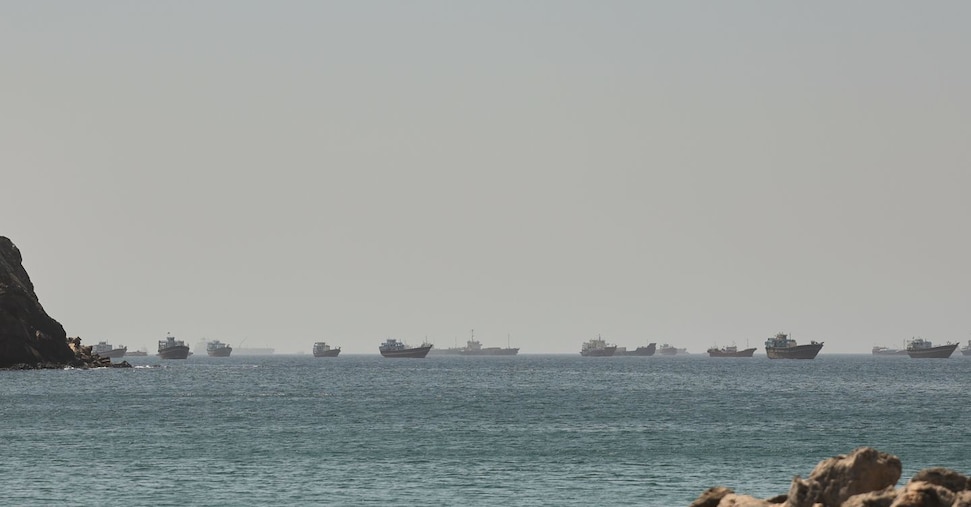
Iranian oil tankers have transited through areas previously monitored under United States enforcement operations, marking a shift in regional maritime activity as international discussions regarding long-term diplomatic agreements gain momentum. The movement of these vessels coincides with ongoing deliberations among G7 leaders regarding their potential role in supporting a broader stabilization framework, according to reports from international maritime monitoring agencies.
The current geopolitical environment surrounding the Strait of Hormuz and the broader Persian Gulf remains fluid. While G7 nations have expressed a willingness to contribute to economic and diplomatic frameworks, the operational reality on the ground—specifically the transit of energy-carrying vessels—underscores the complexity of balancing enforcement efforts with the push for a sustained diplomatic resolution. The potential for a multi-billion dollar economic package, reportedly involving regional Gulf partners, remains a central point of discussion in international diplomatic circles, as noted by the U.S. Department of State regarding its ongoing Iran policy objectives.
Maritime Transit and Enforcement Dynamics
Recent reports indicate that Iranian oil tankers have navigated through waters that were previously subject to heightened U.S. maritime surveillance. This movement represents a notable change in the tactical environment, as observed by international shipping analysts who track vessel movements via Automatic Identification System (AIS) data. According to data provided by MarineTraffic, the flow of crude oil through these strategic chokepoints has continued despite existing international sanctions regimes that remain in effect under U.S. law.
The ability of these tankers to complete their transits highlights the limitations of current enforcement mechanisms. Analysts suggest that the shift in maritime traffic is not merely a logistical development but a signal of changing regional postures. The U.S. Central Command (CENTCOM) continues to maintain a presence in the region to ensure freedom of navigation, yet the operational threshold for interdicting commercial vessels remains subject to strict international legal standards and the evolving nature of the broader nuclear-related diplomatic negotiations.
The G7 Stance and Diplomatic Frameworks
G7 leaders have indicated that they are prepared to support a comprehensive agreement aimed at addressing long-standing tensions. This potential involvement centers on providing economic incentives and ensuring that any long-term memorandum between the United States and Iran is both verifiable and sustainable. The G7 Presidency has emphasized the necessity of a unified approach to regional security, suggesting that economic stability is a prerequisite for lasting peace in the Middle East.
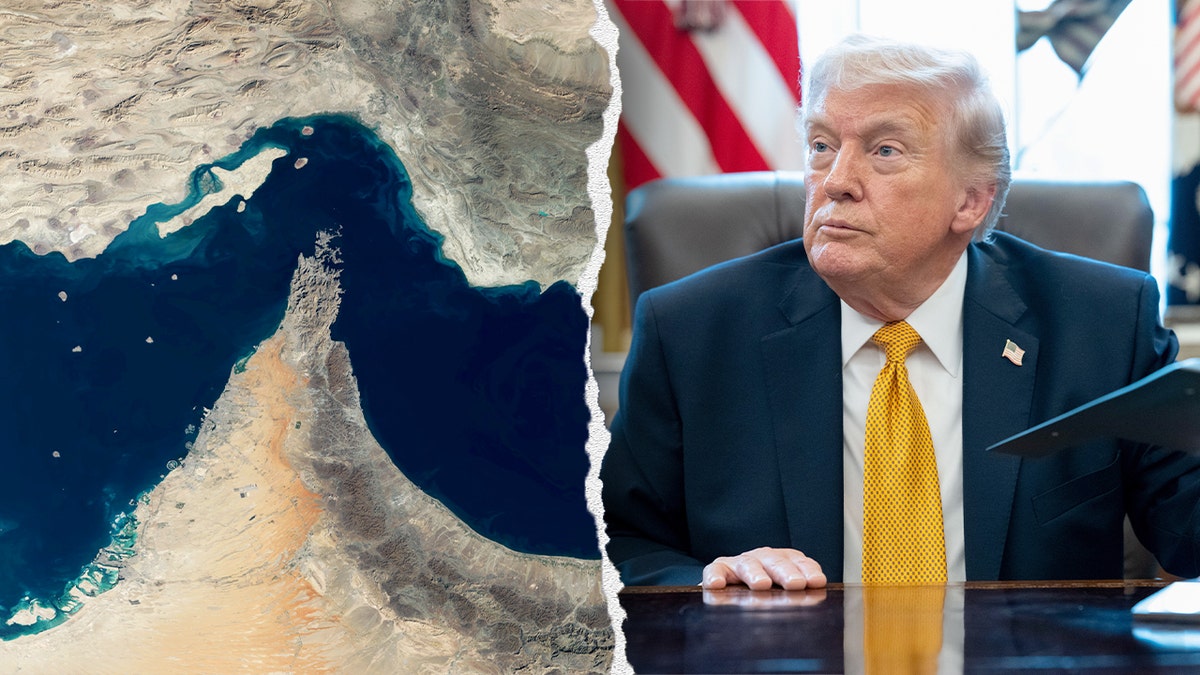
The discourse currently centers on a multi-point memorandum that seeks to address concerns regarding enrichment levels and regional influence. While the exact text of these proposals remains subject to closed-door negotiations, officials from the European External Action Service have confirmed that work is ongoing to bridge the gap between Washington and Tehran. The objective is to move beyond short-term containment toward a framework that provides clear, enforceable benchmarks for all involved parties.
Economic Implications and Regional Stakeholders
The prospect of a $300 billion economic initiative, potentially supported by Gulf Cooperation Council (GCC) members, has emerged as a significant topic of discussion. This figure, while not officially finalized in any signed treaty, reflects the scale of investment required to incentivize a long-term shift in regional security and economic policy. According to the Gulf Cooperation Council, regional stability is inextricably linked to the energy markets and the free flow of commerce through the Persian Gulf.
For global markets, the implication is a potential easing of supply-side volatility. However, experts warn that the transition from current tensions to a stabilized environment will be gradual. The reliance on regional partners to underwrite these economic efforts suggests a shift in the burden of regional security, moving away from a solely Western-led enforcement model toward a collaborative regional approach. Investors and energy analysts remain focused on the next round of ministerial meetings, where the specifics of this financial framework are expected to be refined.
What Happens Next
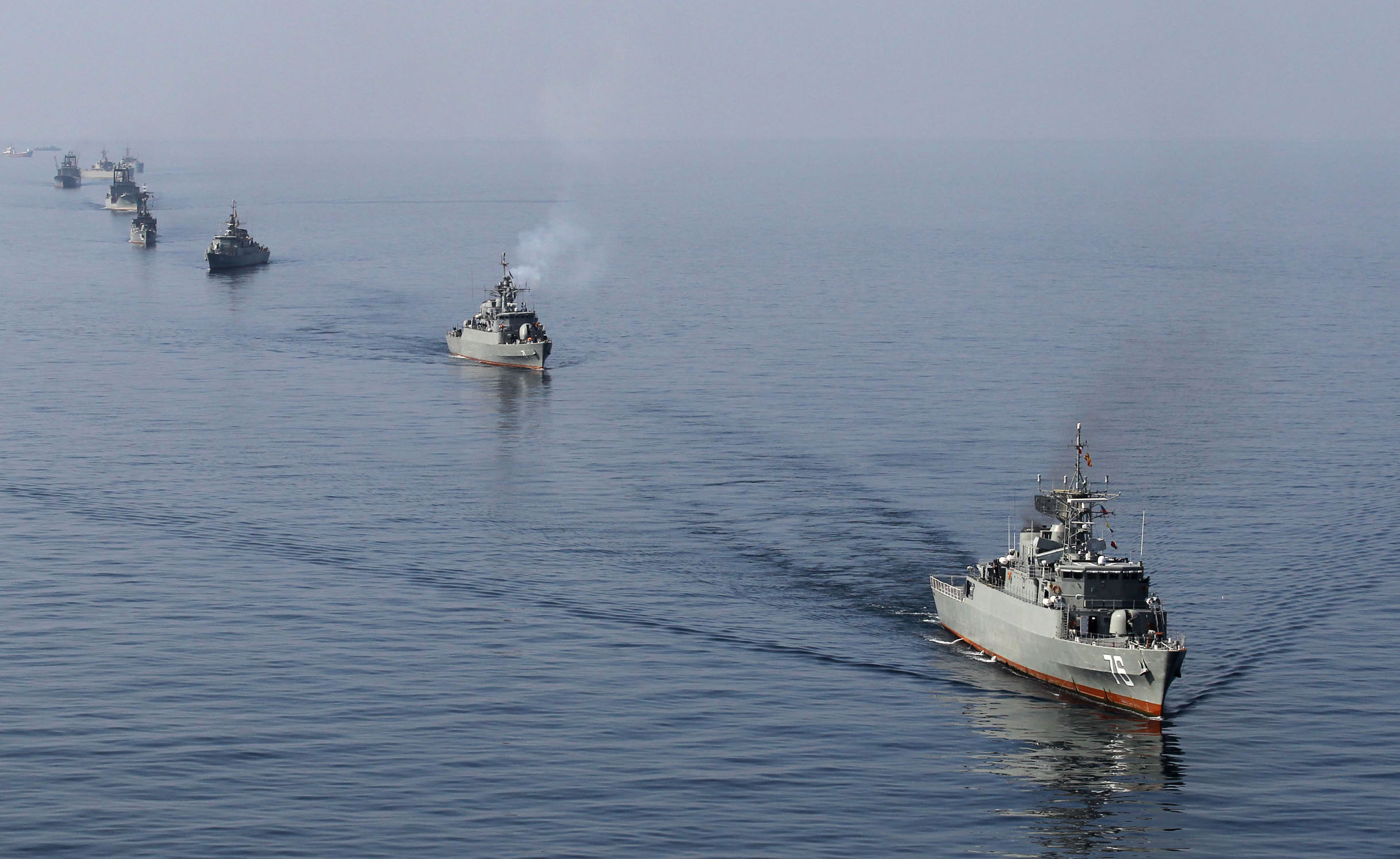
The next major checkpoint for these negotiations is the upcoming session of the UN General Assembly, where diplomats are expected to hold side-line discussions on the progress of the memorandum. Additionally, maritime observers are monitoring the Persian Gulf for any changes in the frequency or composition of the tanker fleets passing through the Strait of Hormuz. These developments will provide further clarity on whether the current diplomatic momentum can be sustained in the face of ongoing regional friction.
As the situation continues to evolve, stakeholders are encouraged to monitor official press briefings from the White House and the United Nations for verified updates on the status of the agreement. For further analysis and ongoing coverage of these developments, readers are invited to share their thoughts and follow our reporting on global geopolitical shifts.
Keep reading