
Diplomatic efforts to de-escalate rising tensions in the Middle East have reached a critical juncture, with reports suggesting that a potential agreement could be finalized within a 24-hour window. International observers and regional mediators are closely monitoring these developments as Pakistan, acting as a key diplomatic conduit, signals progress toward a definitive text aimed at preventing further military escalation between the United States and Iran.
The current push for a de-escalation framework follows a period of heightened regional instability, characterized by an exchange of direct hostilities that prompted urgent calls for restraint from global powers. As of the latest updates, the focus remains on the specific mechanics of the agreement and the timeline for its formal adoption. While official channels have been cautious, the move reflects a broader international desire to avert a wider conflict in a region already stressed by ongoing geopolitical friction.
The Diplomatic Role of Regional Mediators
Pakistan’s involvement in these high-stakes negotiations underscores its strategic position as a neutral intermediary capable of communicating with both Washington and Tehran. Historically, Islamabad has maintained diplomatic ties with both nations, allowing it to facilitate sensitive discussions when formal direct lines of communication are strained or non-existent. According to reports from the Reuters news agency, such back-channel diplomacy often serves as the precursor to more formal, multi-lateral discussions regarding regional security protocols.
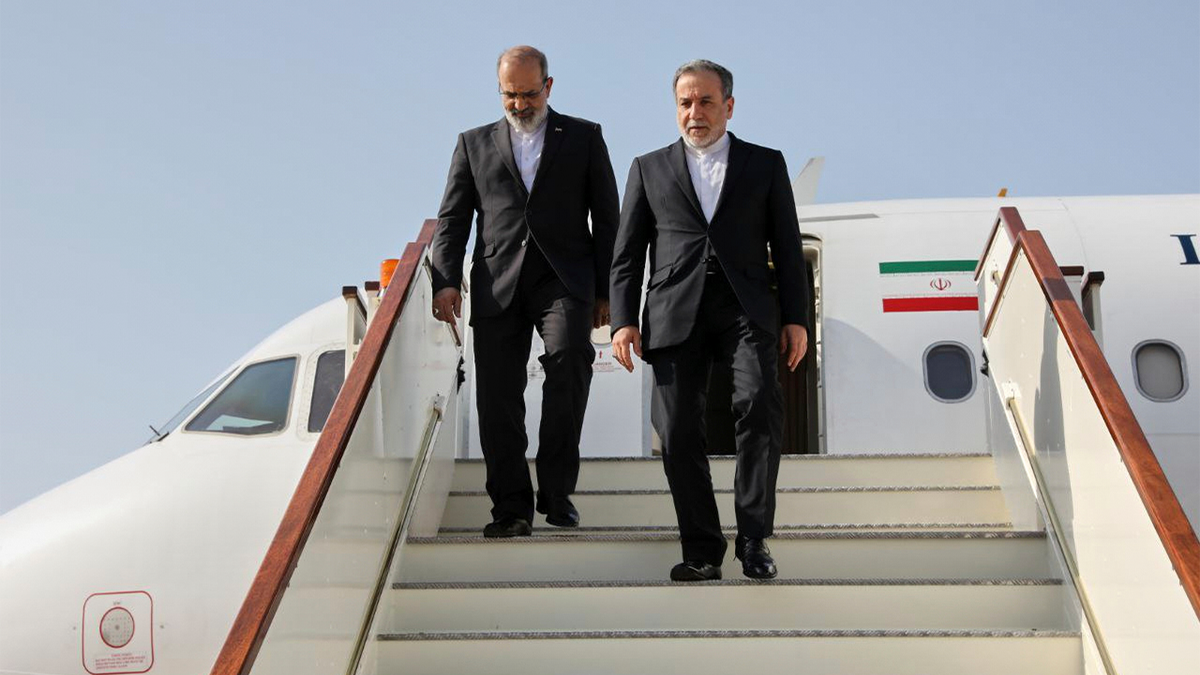
The effectiveness of this mediation depends on the ability of both the United States and Iran to reach a consensus on the definition of “proportionality” regarding military strikes. Analysts note that the current diplomatic window is narrow, as any further tactical miscalculation could render the negotiated text obsolete. The involvement of regional states in these discussions is typically aimed at stabilizing the United Nations Charter principles of non-aggression, ensuring that both parties adhere to established international norms during the cooling-off period.
Understanding the Proposed De-escalation Framework
The proposed agreement is expected to outline a series of mutual commitments designed to halt direct kinetic action. For the United States, the priority remains the protection of its regional personnel and the security of maritime transit routes in the Persian Gulf. Conversely, Iran has consistently emphasized the necessity of sovereignty and the removal of unilateral economic sanctions as foundational elements of any long-term security arrangement. These conflicting objectives remain the primary hurdle for negotiators attempting to finalize the text.
Technical experts suggest that the “final text” mentioned in recent diplomatic briefings likely contains a phased approach. This strategy often involves initial, verifiable confidence-building measures—such as a cessation of specific types of military posturing—followed by more substantive talks regarding the broader regional security architecture. The U.S. Department of State has historically maintained that any agreement must be verifiable and consistent with existing international non-proliferation agreements, a stance that continues to influence the ongoing dialogue.
Regional Implications and Economic Stability
The prospect of a 24-hour resolution has immediate implications for global energy markets and regional trade. Market volatility, which typically spikes during periods of anticipated conflict, often reacts sharply to reports of diplomatic breakthroughs. Economists at the International Monetary Fund have frequently cited regional instability as a primary risk factor for global supply chains, particularly those reliant on the Strait of Hormuz. A successful de-escalation would likely provide a temporary reprieve for oil futures, though long-term stability remains contingent on a more permanent resolution to the underlying political grievances.
For the populations living in the immediate vicinity of these potential conflict zones, the uncertainty has necessitated heightened readiness and, in many cases, the implementation of civil defense protocols. Local governments across the Gulf Cooperation Council (GCC) states have been vocal about their preference for a diplomatic solution, prioritizing the maintenance of regional infrastructure over the risks associated with prolonged military engagement.
Next Steps in the Negotiation Process
As the 24-hour window progresses, all eyes are on the potential for a formal signing ceremony or a joint statement. The next confirmed checkpoint for this process will be the release of an official communique from the mediating parties, which would detail the specific terms of the proposed ceasefire or security arrangement. Observers are also watching for any reaction from the International Atomic Energy Agency, whose oversight remains a critical component of any broader agreement involving Iranian security concerns.
While the momentum toward an agreement is significant, the history of U.S.-Iran relations suggests that late-stage negotiations are prone to sudden shifts. Readers are encouraged to monitor official government press releases and reputable international news wires for verified updates as this situation evolves. We will continue to track these developments and provide analysis as more concrete details become available from the negotiating teams involved.
What are your thoughts on the impact of this potential agreement on regional security? Share your insights and join the conversation in the comments section below.
Worth a look