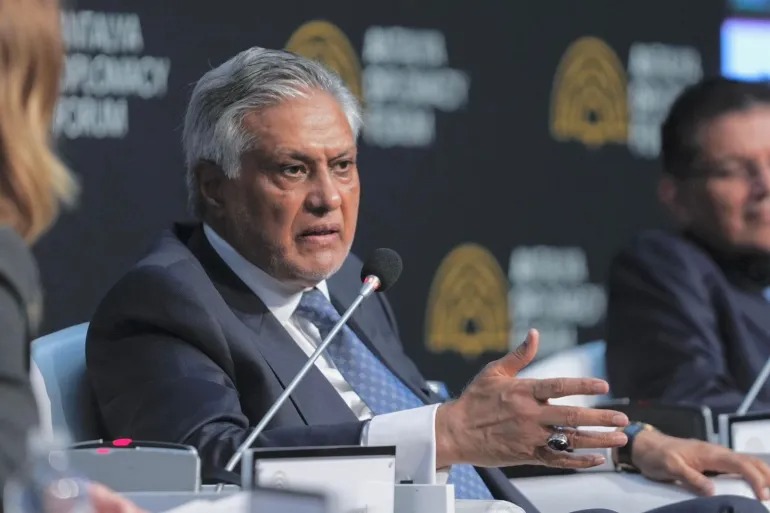
Pakistan has emerged as a critical diplomatic conduit in the ongoing efforts to de-escalate tensions between the United States and Iran, with recent high-level engagements signaling progress toward a potential agreement. According to verified reports, Pakistani military leadership has been actively involved in facilitating dialogue, positioning the country as a neutral intermediary in a conflict that has drawn global attention due to its implications for regional stability and energy markets.
The role of Pakistan’s military chief, General Asim Munir, has been particularly prominent in these developments. He led a senior delegation to Tehran in mid-April 2026 to deliver a message from the United States and coordinate preparations for a second round of direct talks between Washington and Tehran. Iranian state media confirmed his arrival, noting that he was received by Foreign Minister Abbas Araghchi, underscoring the formal nature of the engagement.
These diplomatic initiatives build on earlier efforts, including direct negotiations held in Pakistan in April 2026. Reports from state-affiliated Chinese news agency Xinhua confirmed that the United States and Iran held direct talks in Islamabad on April 11, 2026, aiming to end a conflict that erupted in late February. The meeting included senior U.S. Officials such as Vice President JD Vance, envoys Steve Witkoff and Jared Kushner, alongside Pakistani military leadership and Iranian officials including Parliament Speaker Mohammad Bagher Ghalibaf and Foreign Minister Abbas Araghchi.
Technical teams from both nations subsequently entered the negotiations following a bilateral agreement to observe a two-week ceasefire, which began shortly after the talks commenced. The discussions were held in a secure venue in Islamabad, with sessions starting in the late afternoon local time, according to Iranian state broadcaster IRIB.
Pakistan’s foreign minister has publicly characterized the progress made in these talks as substantial, stating that approximately 80% of a potential agreement had been finalized. This assessment reflects the depth of engagement on core issues, though specific terms of the understanding remain undisclosed in public forums. The characterization underscores the sensitivity of the negotiations and the cautious optimism expressed by intermediaries.
The shuttle diplomacy has involved multiple stages, including preparatory visits by Pakistani officials to both capitals. Prior to the Tehran visit, General Munir had engaged with Iranian officials in earlier consultations, and following the talks, he departed Tehran after concluding a series of meetings with Iranian leadership. These movements were tracked by regional media outlets, which reported on the timing and nature of the engagements without disclosing classified details.
The broader context of these efforts includes ongoing concerns about maritime security in the Gulf, particularly around the Strait of Hormuz, where tensions have previously escalated due to intercepted vessels and military posturing. Analysts have noted that any reduction in hostilities between the U.S. And Iran could significantly alleviate pressures on global shipping lanes and energy infrastructure, though no formal de-escalation measures have been announced beyond the temporary ceasefire framework.
As of mid-April 2026, the focus remains on advancing to a second round of direct negotiations, with Pakistan continuing to play a facilitative role. The exact date and venue for the next session have not been publicly confirmed, but diplomatic sources indicate that planning is underway under the auspices of the Pakistani intermediation effort. No official statements have been issued by the U.S. State Department or Iranian foreign ministry detailing the next steps, maintaining a deliberate pace to preserve the integrity of the process.
For readers seeking updates on this evolving diplomatic process, official channels such as the Ministry of Foreign Affairs of Pakistan, the U.S. Department of State, and the Iranian Ministry of Foreign Affairs remain the primary sources for verified information. Multilateral institutions like the United Nations also monitor developments closely, particularly regarding implications for regional security and humanitarian conditions.
What do you reckon about Pakistan’s role in mediating between global powers? Share your thoughts in the comments below, and facilitate spread awareness by sharing this article with others interested in international diplomacy and conflict resolution.
Worth a look