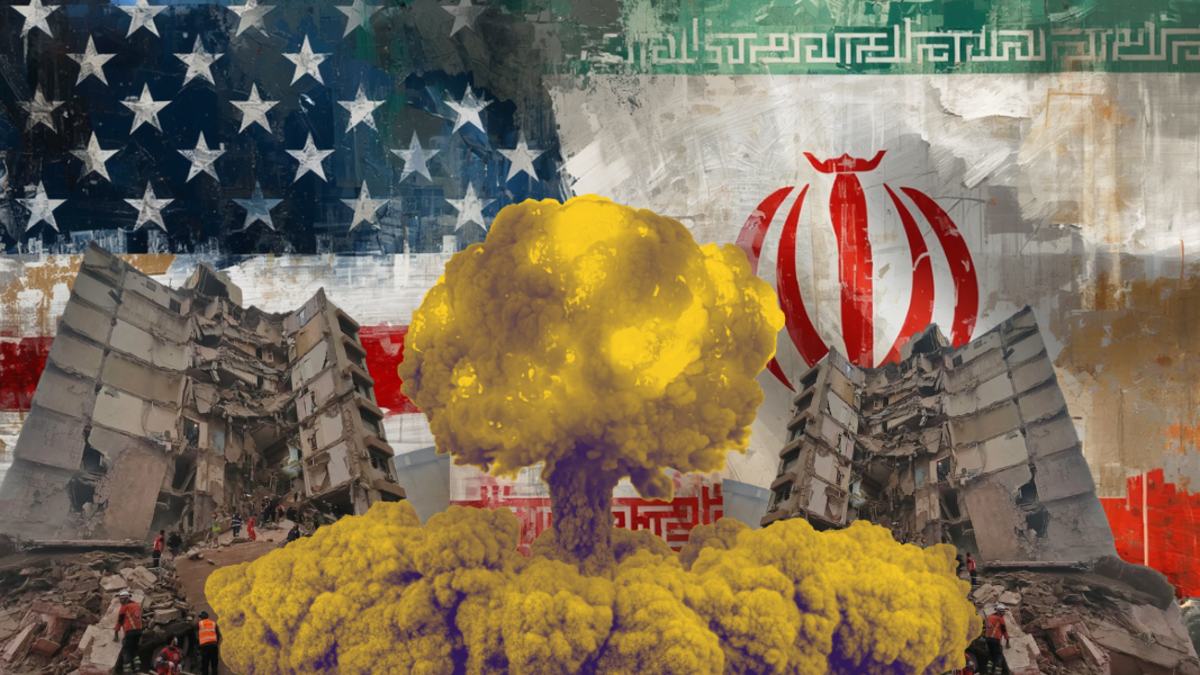
The geopolitical landscape of the Middle East remains on a knife-edge as the United States and Iran navigate a fragile US-Iran two-week ceasefire. The agreement, which serves as a temporary pause in escalating hostilities, is currently being tested by deep-seated mistrust and a series of volatile “red lines” that threaten to collapse the truce before its expiration.
This diplomatic window opened after a significant shift in rhetoric from the White House, with reports indicating that Donald Trump has pulled back on previous threats to facilitate the current pause via AP News. While the ceasefire is intended to provide a cooling-off period, the agreement is widely viewed as a tactical pause rather than a comprehensive peace settlement, leaving both nations vulnerable to any perceived provocation.
As the two-week clock ticks down via BBC, international observers are closely monitoring two primary flashpoints: the status of Iranian uranium enrichment and the intensifying military presence in Lebanon. These factors are regarded as critical thresholds that could trigger a return to active conflict.
The Lebanon Pressure Point
A significant complication to the stability of the truce is the ongoing situation in South Lebanon. Israel’s current occupation of the region is described as a strategic mechanism designed to exert maximum pressure on the Lebanese government to distance itself from Hezbollah via France 24.

Because Hezbollah maintains close ties with Tehran, any escalation in Lebanon is seen as a direct extension of the US-Iran rivalry. The volatility in the south means that a single miscalculation or a localized skirmish could be interpreted as a violation of the broader spirit of the ceasefire, potentially forcing the United States or Iran to abandon the agreement to protect their respective regional interests.
Nuclear Thresholds and ‘Red Lines’
Beyond the territorial disputes in Lebanon, the issue of uranium enrichment remains a central point of contention. The capacity and rate of Iran’s nuclear program are viewed by Washington as a primary “red line.” Any significant increase in enrichment levels during this two-week window could be interpreted as a breach of the trust necessary to maintain the truce.
For the United States, the goal is to prevent Iran from reaching a “breakout capacity” that would allow for the production of weapons-grade material. For Iran, the nuclear program is often tied to the lifting of sanctions and the recognition of its regional security needs. The tension between these two objectives creates a precarious environment where technical adjustments at nuclear facilities can have immediate and severe diplomatic consequences.
What This Means for Regional Stability
The current ceasefire represents a high-stakes gamble. If the two weeks conclude without a major incident, it may provide a blueprint for longer-term negotiations. However, the interdependence of the nuclear issue and the Lebanese conflict means that stability cannot be achieved in isolation. The “red lines” are not merely policy markers but are active triggers for military response.
Who is most affected by this fragility are the civilian populations in Lebanon and the broader Middle East, where the threat of a wider regional war looms. The international community remains hopeful that the pullback on threats from the US administration will lead to a sustainable de-escalation, but the structural causes of the conflict—namely nuclear proliferation and proxy warfare—remain unresolved.
Next Steps and Checkpoints
The most critical upcoming checkpoint is the official expiration of the two-week ceasefire window. Until that date, the world will be watching for any signs of increased uranium enrichment or further escalation in South Lebanon. There are currently no confirmed dates for follow-up negotiations, meaning the expiration of the truce will be the primary indicator of whether the diplomatic shift is permanent or merely a temporary pause.
We will continue to monitor this developing story as the deadline approaches. We invite our readers to share their perspectives on these developments in the comments section below.
Keep reading