
The global financial landscape shifted abruptly this week as the U.S. Dollar plummeted following the announcement of a diplomatic breakthrough in the Middle East. After days of extreme tension and a looming deadline for Iran to reopen the Strait of Hormuz, the greenback has surrendered its status as the primary safe haven for investors, triggering a relief rally across riskier asset classes.
The volatility follows a period of intense market anxiety where the dollar fell to a one-month low against a basket of major currencies after President Donald Trump announced a two-week cease-fire with Iran according to Barron’s. This sudden pivot from “maximalist pressure” to a temporary truce has caught many traders off guard, reversing a trend that had seen the dollar climb toward its highest levels in nearly a year.
For global investors, the shift represents a classic transition from a “risk-off” environment—where capital flees to the safety of the U.S. Dollar—to a “risk-on” appetite, where investors are once again willing to hold equities and other currencies. The geopolitical stakes were exceptionally high, as the closure of the Persian Gulf chokepoint had previously sent energy prices soaring and pushed the U.S. Dollar index toward a peak of 100.64 last week, its highest mark since May 2025 as reported by CNBC.
The Anatomy of the Dollar’s Decline
To understand why the dollar is currently in a “downward spiral,” one must look at the preceding 48 hours. On Tuesday, the market was operating under a strict U.S.-imposed deadline for Iran to reopen the Strait of Hormuz to shipping or face attacks on its infrastructure. At that time, the dollar was trading close to its highest levels in almost 11 months, serving as the most effective safe haven for investors fleeing the instability of the Middle East via CNBC.
The tension reached a crescendo as Iran showed no initial signs of agreeing to the demand to open the strait before the 8 p.m. Eastern Time deadline. This deadlock kept Brent crude futures hovering around $110 a barrel, further fueling the demand for dollars as a hedge against energy price shocks per CNBC.
However, the announcement of a two-week cease-fire fundamentally changed the narrative. When the perceived threat of an immediate military escalation vanished, the “safe haven” premium evaporated. The dollar sank to its lowest level in a month against a basket of major currencies on Wednesday according to Reuters.
Impact on Global Currencies and Energy
The ripple effects of this truce are being felt across the foreign exchange (FX) markets. Just days ago, the Japanese yen was slipping to 159.845 to the dollar, flirting with multi-decade lows that had previously triggered government intervention in 2024 via CNBC. With the dollar’s decline, the pressure on these secondary currencies has eased, allowing for a broader recovery in non-U.S. Assets.
The energy sector is likewise reacting to the geopolitical thaw. The previous fear that Iran could exercise full control over the Strait of Hormuz for its long-term interests had driven oil prices upward. A cease-fire reduces the immediate risk of a total blockade of the Gulf chokepoint, which is critical for global oil shipments, thereby removing the primary catalyst that was keeping energy prices and the dollar elevated.
Risk Appetite and the “Red Alert” for Investors
The current market movement is defined by a return of “risk appetite.” In financial terms, this means investors are moving away from the security of the U.S. Dollar and moving back into assets that offer higher potential returns but come with higher risks, such as emerging market currencies and stocks.
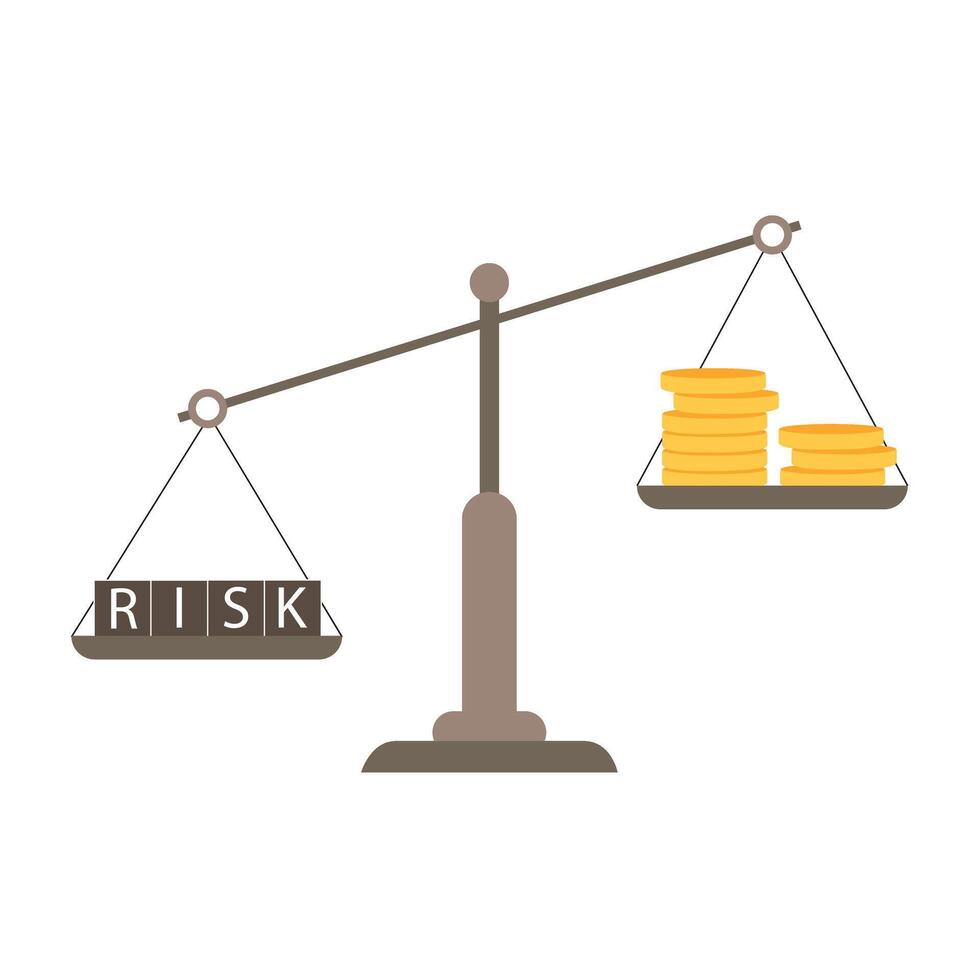
However, the “red alert” for the market remains the fragility of this truce. The cease-fire is specifically designated as a two-week window per Barron’s. This limited timeframe means that the market is not yet pricing in a permanent peace, but rather a temporary pause. If the negotiations fail to produce a more lasting agreement, the market could see a violent reversal, sending investors rushing back into the dollar as a safe haven.
Key Market Indicators at a Glance
| Indicator | Pre-Truce Status (Tuesday) | Post-Truce Status (Wednesday/Thursday) |
|---|---|---|
| U.S. Dollar Index | Near 100.64 (11-month high) | One-month low |
| Brent Crude | Hovering around $110/barrel | Relief rally/Pressure easing |
| Japanese Yen | 159.845 per USD (near decade lows) | Recovering from dollar weakness |
| Investor Sentiment | Risk-Off (Safe Haven seeking) | Risk-On (Appetite for assets) |
What Happens Next?
The primary focus for global markets is now the expiration of the two-week cease-fire. Traders are monitoring whether this window will lead to a prolonged postponement of deadlines or a comprehensive ceasefire agreement. As Chris Turner, head of forex research at ING, noted during the height of the tension, the dollar is likely to stay bid until there is news of a definitive ceasefire or a prolonged postponement via CNBC.
For now, the dollar’s “plummet” is a reflection of the market’s relief. But the underlying volatility remains. The “red alert” is the calendar: the conclude of the two-week truce will be the next critical checkpoint for the global economy. If a permanent resolution is not reached, the dollar may quickly regain its attraction as the world’s premier shield against geopolitical chaos.
We invite our readers to share their perspectives on this market shift in the comments below. How is the current volatility affecting your portfolio strategy?
Worth a look