
United States military forces and Iranian-backed groups have engaged in a second consecutive day of reciprocal strikes across the Middle East, intensifying regional volatility following recent escalations. According to reports from the U.S. Department of Defense, American assets conducted targeted operations against militant infrastructure, while retaliatory fire from aligned forces has targeted positions near the Strait of Hormuz and surrounding territories. These exchanges mark a significant spike in direct military friction, raising concerns regarding the security of vital global shipping lanes and the stability of neighboring states.
The current cycle of violence follows a series of regional provocations that have drawn both Washington and Tehran into a more overt operational posture. As of this week, the U.S. Central Command (CENTCOM) confirmed that personnel were involved in defensive maneuvers after a U.S. helicopter experienced a mechanical incident near the Strait of Hormuz, necessitating a rescue operation for the crew. While the military maintains that the incident was an emergency, the proximity to active combat zones has underscored the precarious nature of current naval operations in the region.
Operational Dynamics and Regional Impact
The escalation centers on the strategic geography of the Persian Gulf, a corridor that facilitates a substantial percentage of the world’s oil supply. According to the U.S. Energy Information Administration, the Strait of Hormuz remains a critical “choke point” for global energy markets, and any sustained military exchange poses a direct risk to international energy security. Recent reports indicate that munitions have landed in proximity to Gulf states and Jordan, prompting regional leaders to call for immediate de-escalation through diplomatic channels.
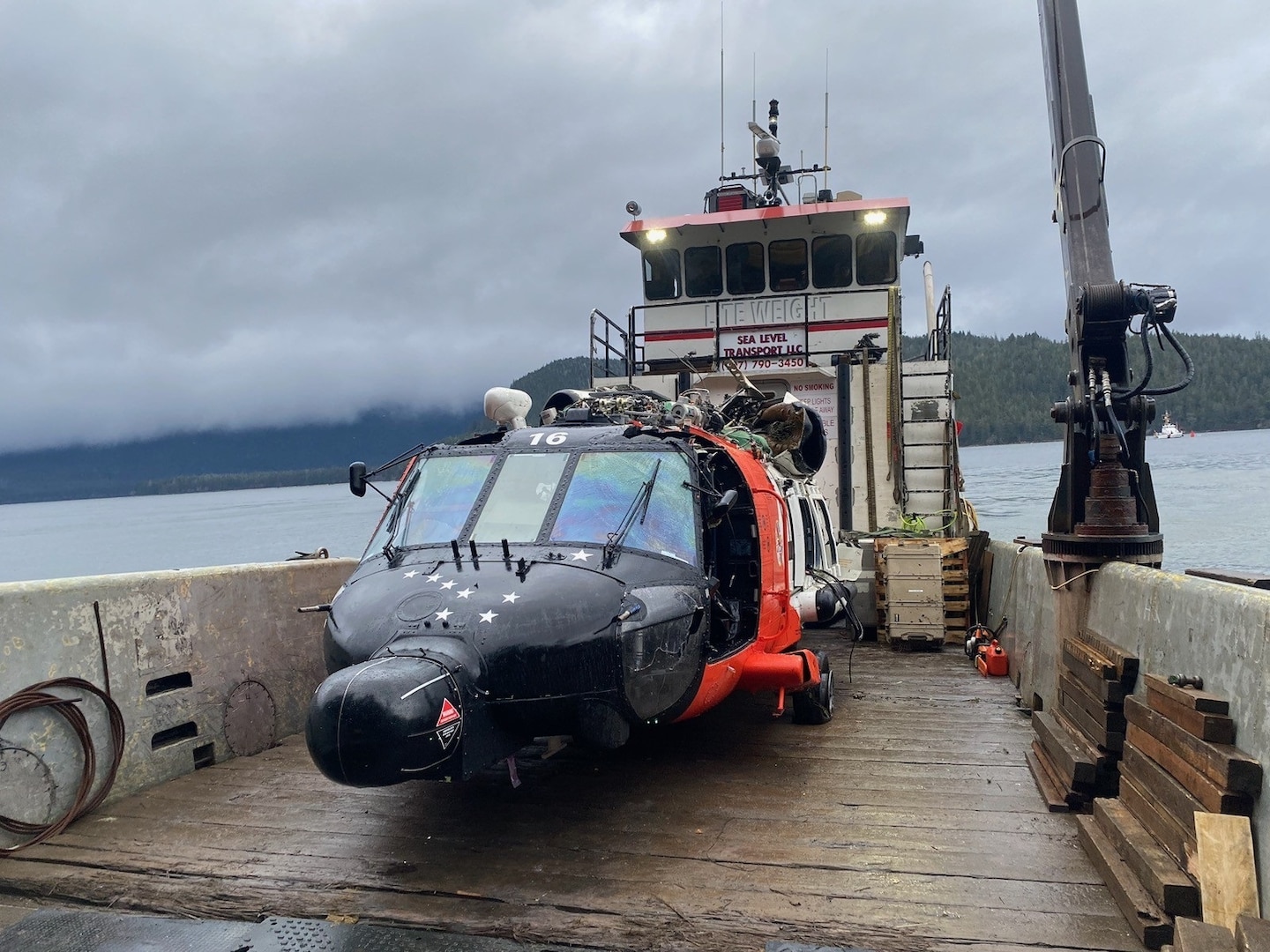
The military response from the United States has been framed by officials as a necessary measure to protect service members and deter further aggression. On the ground, the situation remains fluid. Analysts note that the current tit-for-tat strikes represent a departure from the “shadow wars” previously characterized by proxy skirmishes, as both sides now openly acknowledge direct kinetic engagements. The U.S. Department of State has issued updated travel advisories for the region, urging citizens to remain vigilant as the security environment continues to evolve.
Comparing Official Accounts and Strategic Objectives
The framing of these events differs significantly across regional and international observers. While official U.S. statements emphasize the defensive nature of their strikes and the necessity of safeguarding maritime freedom, Iranian state media has characterized the U.S. presence in the Gulf as the primary driver of regional instability. This divergence in narrative complicates international mediation efforts, as both parties maintain vastly different interpretations of the underlying provocations.
Data regarding the intensity of these exchanges also varies. While independent monitoring groups have tracked an increase in drone and missile activity, exact casualty figures remain difficult to verify independently. The Reuters news agency has reported that regional military attaches are monitoring the situation for signs of a broader conflict, though no state has yet formally declared a state of war. The following table summarizes the key areas of concern currently being tracked by international observers:
| Area of Concern | Primary Risk Factor |
|---|---|
| Strait of Hormuz | Disruption to global energy supply chains |
| Gulf State Borders | Risk of unintended escalation into sovereign territory |
| Regional Airspace | Increased danger to commercial aviation routes |
What Happens Next: Monitoring the Situation
The immediate outlook depends on whether both sides choose to calibrate their responses or continue the current trajectory of escalation. According to the United Nations Security Council, the primary objective remains the prevention of a wider regional conflagration. Diplomats are expected to hold closed-door consultations in the coming days to assess the viability of a ceasefire or a return to established deconfliction protocols.

For those following these developments, official updates are available through the Department of Defense press portal and the daily briefings provided by the White House Press Secretary. These sources provide the most accurate account of military movements and diplomatic statements as they occur. As the situation remains highly dynamic, readers are encouraged to rely on verified government records and established international news outlets to distinguish between confirmed operational data and unverified reports circulating on social media.
We will continue to monitor the situation as further briefings are released. Please share your thoughts in the comments section below or join the conversation on our official social media channels to stay updated on this developing story.