The global economy is facing a precarious moment as the International Energy Agency (IEA) warns that the current conflict involving Iran has triggered the “most severe oil supply shock in history.” In a report released Tuesday, April 14, 2026, the Paris-based organization cautioned that skyrocketing prices are threatening to trigger widespread “demand destruction,” a scenario where crude oil becomes so unaffordable that buyers are forced to either uncover alternatives or cease energy use entirely according to the IEA.
The crisis, which stems from a conflict that began on Feb. 28, has seen Iran effectively close the Strait of Hormuz. This critical waterway is a primary artery for the global economy, facilitating the transport of approximately one-fifth of the world’s total supply of oil and natural gas as detailed by the IEA. The resulting scarcity has sent shockwaves through energy markets, leading to unprecedented price volatility and a desperate search for stability among Western allies.
For the Trump administration, the crisis has created a complex diplomatic paradox. While the U.S. Has pursued a hardline stance against Tehran, the resulting economic fallout—specifically the surge in pump prices—has placed significant political pressure on the White House to stem the tide of rising costs. This tension is playing out against a backdrop of shifting alliances and a sudden, pragmatic reliance on international institutions that the administration had previously disparaged.
The Mechanics of a Global Supply Shock
The scale of the current disruption is reflected in the sheer speed of the price increases. According to the IEA, oil prices recorded their largest one-month gain in history during March 2026 per their latest report. Brent, the international benchmark for crude oil, surged by roughly 40 percent in the 18 days following the start of the conflict as reported by eEnergy News.

This price spike has fundamentally altered the demand outlook for the year. The IEA previously forecasted a year-over-year growth of 640,000 barrels per day (bpd). However, due to the persistence of elevated prices, the agency now expects oil demand to actually fall by 80,000 bpd this year according to IEA data. While the deepest cuts in oil consumption have initially appeared in the Asia Pacific and Middle East regions, the IEA warns that this “demand destruction” will likely spread globally as scarcity persists.
The economic risk is further compounded by efforts to isolate Iran. While some market participants initially shrugged off the impact of U.S.-led efforts to block Iranian oil, analysts warn that such blockades could provoke retaliation, potentially inflicting even more severe damage on global energy assets and the broader economy as noted by The New York Times.
Diplomatic Friction and the IEA Pivot
One of the most striking developments in the current crisis is the Trump administration’s shifting relationship with the International Energy Agency. For much of the past year, U.S. Officials had berated the Paris-based group, with Energy Secretary Chris Wright repeatedly criticizing the IEA for its modeling of net-zero energy systems and predictions regarding a peak in global oil consumption per eEnergy News.
Wright had even threatened to withdraw the United States from the organization just ten days before the U.S.-Israel war on Iran began. However, the reality of the energy crisis has forced a tactical retreat. The Trump administration is now looking to the IEA to help navigate the volatility, specifically by coordinating the release of emergency oil stockpiles worldwide to prevent a total global price spike according to reports.
This reliance on multilateral engagement highlights the difficulty of managing a global energy crisis in isolation. Despite the administration’s preference for unilateral action, the need for coordinated stockpile releases suggests that the U.S. Remains dependent on the very international frameworks it has sought to undermine.
Market Reactions and the Hope for a Deal
Despite the dire warnings from the IEA, the markets showed a glimmer of optimism on Tuesday, April 14. U.S. Oil prices fell by approximately 6% as traders reacted to hopes of a negotiated resolution to the conflict according to ABC News. West Texas Intermediate (WTI) futures, the benchmark for U.S. Trading, were registered at about $92 a barrel, a notable drop from recent peaks as reported by ABC News.
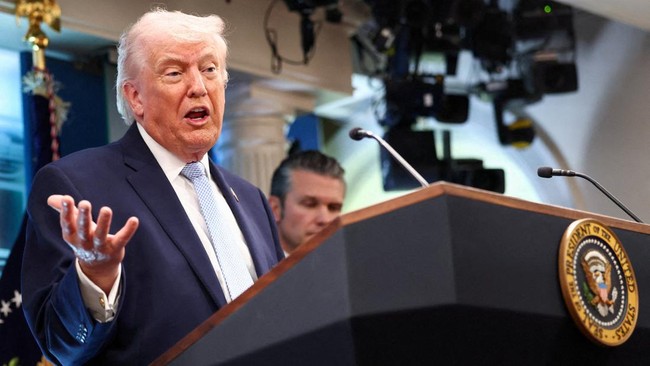
This slight dip in prices coincides with reports that President Donald Trump has indicated Iran has “called” about the possibility of making a deal following the failure of talks over the previous weekend according to ABC News. However, the path to a resolution remains fraught. Trump has recently expressed frustration with allies who refused his request to send naval vessels to escort tankers through the Strait of Hormuz, stating on social media that “we don’t need anybody” per eEnergy News.
Summary of Energy Market Impact
What Happens Next?
The immediate focus for global markets remains the potential for a diplomatic breakthrough. The report that Iran has reached out to the Trump administration offers a narrow window for de-escalation, which would be essential for the reopening of the Strait of Hormuz. Without the restoration of this critical waterway, the “demand destruction” warned of by the IEA could evolve from a forecast into a global economic reality.
the internal dynamics of the Trump administration will be closely watched. Whether the U.S. Continues to coordinate with the IEA for emergency stockpile releases or reverts to a more unilateral approach will likely influence how quickly markets stabilize. For now, the world remains tethered to the outcome of these fragile negotiations and the volatility of a supply chain under extreme duress.
We will continue to monitor updates regarding the negotiations between the U.S. And Iran and any official announcements from the IEA regarding further stockpile releases. We invite our readers to share their perspectives on the global energy crisis in the comments below.
Related reading