
US-Iran War Standoff: Tehran Issues Ultimatum as Trump Rejects Peace Proposal
A fragile ceasefire between the United States and Iran has reached a critical juncture as Tehran’s chief negotiator issued an ultimatum to Washington, warning that any failure to accept Iran’s 14-point peace proposal would result in “nothing but one failure after another.” The defiant stance comes as U.S. President Donald Trump has dismissed the latest Iranian offer, declaring the ceasefire—already in place since April 8—is now “on life support.”
The diplomatic impasse underscores the deep divisions between the two nations over Iran’s nuclear program, control of the strategically vital Strait of Hormuz, and the broader Middle East conflict that has rattled global markets and threatened to disrupt a fifth of the world’s oil and gas exports. With both sides accusing each other of poor faith, the question now is whether this standoff will escalate—or if a negotiated solution remains possible before the next major escalation.
What is clear is that the clock is ticking. Trump’s upcoming state visit to China—scheduled for May 15-17—could further complicate negotiations, as Beijing has emerged as a reluctant mediator while maintaining its own economic ties with Tehran. Meanwhile, Iran’s military has signaled readiness to respond to any renewed U.S. Or Israeli attacks, raising the specter of a broader regional conflict.
According to Iran’s chief negotiator, Mohammad Ghalibaf, the United States must accept Tehran’s “rights as laid out in the 14-point proposal” to avoid further deadlock. In a post on X (formerly Twitter) on May 12, Ghalibaf stated: “There is no alternative but to accept the rights of the Iranian people as laid out in the 14-point proposal. Any other approach will be completely inconclusive; nothing but one failure after another.” The ultimatum follows Trump’s rejection of Iran’s latest counteroffer, which had been mediated through Pakistan.
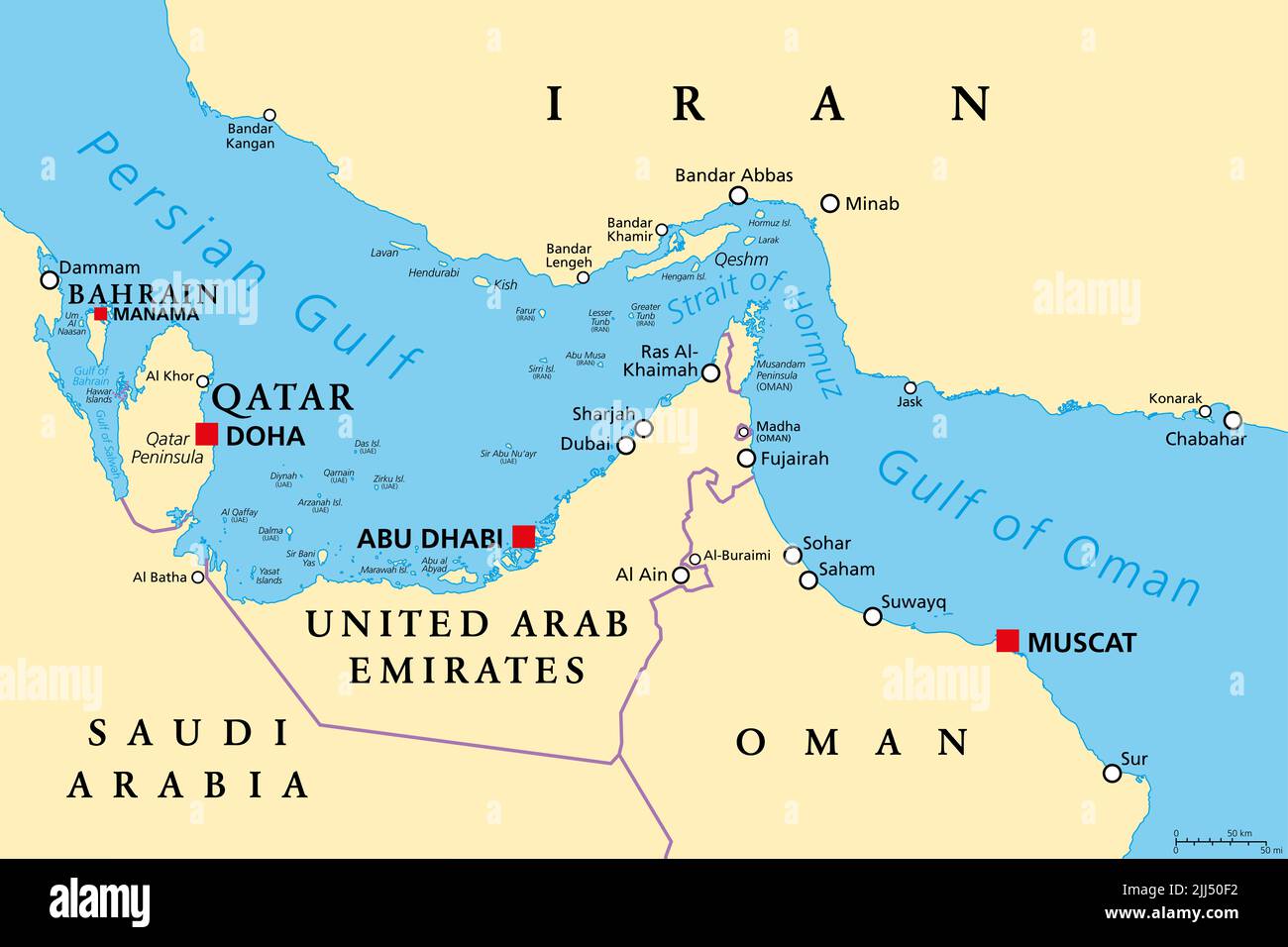
The ceasefire, which began on April 8 after more than two months of conflict, has been described by Trump as “on life support,” suggesting growing frustration in Washington over Iran’s refusal to lift its effective blockade of the Strait of Hormuz. The waterway, through which approximately 20% of global oil and gas exports pass, has seen significant disruptions since Iran imposed restrictions in response to U.S. And Israeli airstrikes on February 28. The U.S. Has retaliated with its own naval blockade of Iranian ports, further tightening the noose on Tehran’s economy.
Why the Strait of Hormuz Is the Flashpoint
The Strait of Hormuz has become the most critical battleground in this proxy war, not just because of its economic significance but because control of the waterway gives Iran immense leverage. Since imposing restrictions in late February, Tehran has choked traffic through the strait, forcing shipping companies to reroute or pay premiums—a move that has sent global oil prices fluctuating and triggered warnings from the International Monetary Fund about potential economic fallout. The U.S. And its allies have responded with a naval blockade of Iranian ports, effectively cutting off Tehran’s access to international trade routes.
For Iran, lifting the blockade is a non-negotiable demand. “The longer they drag their feet, the more American taxpayers will pay for it,” Ghalibaf warned in his post, highlighting the economic strain on Washington as military operations continue. Meanwhile, the U.S. Insists that Iran must first end its restrictions on the Strait of Hormuz before any broader nuclear negotiations can proceed. Trump has repeatedly cited Iran’s nuclear program as a “red line”, demanding a major rollback of Tehran’s enrichment activities—a demand Iran has rejected as non-starter.
The 14-Point Proposal: What’s Inside?
Iran’s 14-point peace proposal, delivered to Pakistani mediators on May 3, was crafted in response to a nine-point U.S. Framework presented earlier in the month. While details of the Iranian plan remain partially redacted, key demands include:
- A permanent end to hostilities, including all military operations by the U.S. And Israel against Iranian territory.
- Lifting of economic sanctions, particularly those targeting Iran’s oil exports and banking sector.
- A guaranteed withdrawal of U.S. And Israeli forces from Iranian borders and regional proxies.
- International oversight of Iran’s nuclear program, with provisions for limited enrichment but no demand for full dismantlement.
- Restoration of pre-war trade routes, including full access to the Strait of Hormuz without restrictions.
The U.S. Has not publicly disclosed the contents of its nine-point framework, but reports suggest it includes demands for:

- Immediate cessation of Iran’s ballistic missile tests and attacks on regional allies.
- A verifiable freeze on uranium enrichment beyond current levels.
- Compensation for civilian casualties and infrastructure damage attributed to Iranian-backed groups.
- No conditions on sanctions relief until Iran demonstrates full compliance.
Trump’s skepticism about the Iranian proposal stems from what administration officials describe as “loopholes and non-committal language” on nuclear issues. “We’re not going to accept a deal that leaves Iran with the ability to build a bomb in a few years,” Trump said in a briefing on May 11. “The world cannot afford another Iran with a nuclear weapon.”
China’s Role: A Mediator or a Stumbling Block?
As negotiations stall, all eyes are on China, where Trump is set to meet with President Xi Jinping beginning May 15. Beijing has positioned itself as a neutral mediator, hosting indirect talks between U.S. And Iranian officials in recent weeks. However, China’s own economic interests—particularly its reliance on Iranian oil imports—complicate its ability to exert pressure on Tehran.
In a statement released on May 10, the Chinese Foreign Ministry urged both sides to “show flexibility and political will”, adding that “prolonged conflict serves no one’s interests.” Yet analysts warn that China’s reluctance to fully align with the U.S. On sanctions could undermine any potential breakthrough. “China wants to keep trading with Iran, but it also doesn’t want to be seen as enabling a nuclear-armed Iran,” said Dr. Li Wei, a senior fellow at the Shanghai Institute of International Studies.
Trump’s visit to China comes at a delicate moment. While the U.S. President has signaled openness to discussing regional stability, his administration has also accused China of providing Iran with military and technological support, including drones and missile components. These allegations have not been independently verified but have further strained U.S.-China relations.
What Happens Next? The Road Ahead
The next critical checkpoint will be Trump’s return from China on May 17, when he is expected to hold a press conference to outline any progress—or lack thereof—in the negotiations. In the meantime, here are the key developments to watch:

- May 13-14: Iranian military drills in the Strait of Hormuz, scheduled to test readiness in response to “foreign threats.”
- May 15-17: Trump’s state visit to China, including bilateral talks with Xi Jinping on Middle East security.
- May 20: Deadline for Iran to respond to a U.S. Demand for clarification on its nuclear activities, per a State Department memo.
- Ongoing: Monitoring of oil prices and shipping traffic through the Strait of Hormuz for signs of escalation.
Key Takeaways
- The ceasefire between the U.S. And Iran is “on life support” after Trump rejected Tehran’s 14-point peace proposal.
- Iran’s chief negotiator, Mohammad Ghalibaf, issued an ultimatum: “No alternative but to accept the rights of the Iranian people as laid out in the 14-point proposal.”
- The Strait of Hormuz remains the primary flashpoint, with Iran restricting traffic and the U.S. Imposing a naval blockade.
- Trump’s visit to China (May 15-17) could influence negotiations, but Beijing’s economic ties with Iran complicate its mediator role.
- Both sides remain deadlocked on nuclear issues, with Iran refusing to halt enrichment and the U.S. Demanding major rollbacks.
Who Stands to Lose the Most?
The human cost of this standoff is already being felt across the Middle East and beyond. Here’s how key stakeholders are affected:
- Iran: Faces crippling sanctions, economic isolation, and potential military escalation if negotiations fail. Domestic unrest could grow as living costs rise.
- United States: Military operations are draining resources, and global markets are reacting to oil price volatility. Trump’s reelection prospects could hinge on resolving the conflict.
- Israel: Remains a key U.S. Ally but is caught between Washington’s demands and its own hardline stance on Iran’s nuclear program.
- Global Economy: Disruptions to the Strait of Hormuz threaten to trigger a recession, particularly in Asia and Europe, which rely heavily on Middle East oil.
- Regional Allies (Saudi Arabia, UAE, Iraq): Face spillover from the conflict, including refugee crises and potential attacks on their infrastructure.
How to Follow Updates
For real-time developments, monitor these official channels:
- U.S. State Department Briefings: state.gov (for official statements and press releases)
- Iranian Foreign Ministry: mfa.gov.ir (for Tehran’s diplomatic updates)
- International Energy Agency (IEA): iea.org (for oil market analysis and Strait of Hormuz traffic reports)
- United Nations Security Council: un.org (for statements on ceasefire violations and mediation efforts)
Final Thoughts: Can This Standoff Be Broken?
The path to peace appears narrow, but not impossible. Success will require:
- Mutual concessions: Iran must offer verifiable limits on its nuclear program, while the U.S. Must lift some sanctions as a confidence-building measure.
- Third-party guarantees: China or Russia may need to provide security assurances to both sides to prevent a return to hostilities.
- Clear timelines: A phased approach, with milestones for de-escalation in the Strait of Hormuz and nuclear negotiations.
- Public diplomacy: Both leaders must manage domestic expectations to avoid political backlash that could derail talks.
For now, the world watches as the clock ticks toward Trump’s return from China. The question is no longer if this conflict will escalate—but when the next critical decision will be made.
What are your thoughts on the U.S.-Iran standoff? Share your perspective in the comments below, and don’t forget to follow World Today Journal for live updates as this story develops.
Related reading