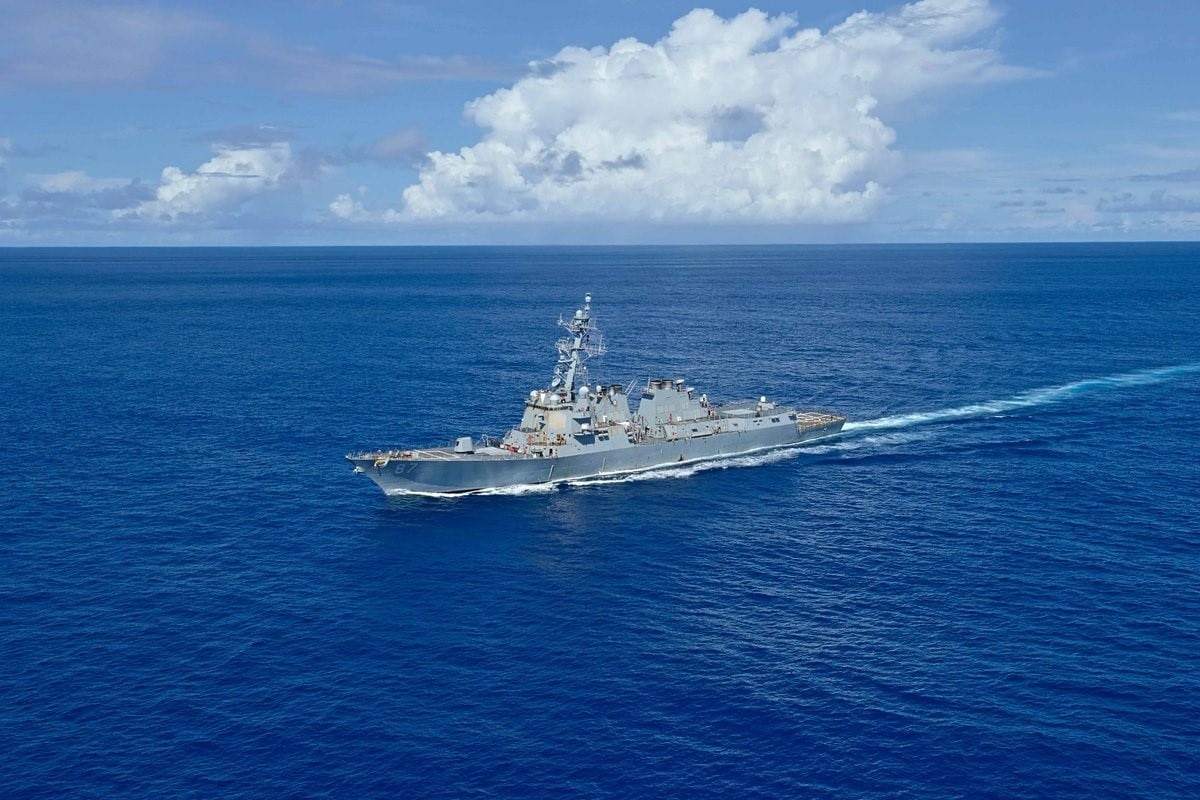
The geopolitical struggle for control over the world’s most critical oil chokepoint has reached a tentative diplomatic crossroads. Iran has offered to relinquish its control over the Strait of Hormuz, provided that the United States lifts its naval blockade and brings an end to the current state of war. This proposal, transmitted to Washington through Pakistani intermediaries, suggests a potential path toward de-escalation, though it comes with a significant caveat: it would postpone critical discussions regarding the Islamic Republic’s nuclear program.
The offer arrives amidst a volatile security environment following the outbreak of war between the United States, Israel and Iran on February 28. For the global community, the stakes are centered on the Strait of Hormuz, a narrow waterway that serves as the primary artery for global energy supplies. Any prolonged closure or instability in the region threatens to disrupt international trade and spike energy costs worldwide.
Despite the Iranian gesture, the prospect of a breakthrough remains slim. U.S. Officials indicate that the current administration is unlikely to accept terms that leave the nuclear issue unresolved. The tension highlights a fundamental divide in strategic priorities: Iran seeks immediate economic relief and an end to military hostilities, whereas the United States insists that any lasting peace must include a definitive guarantee against Iran’s acquisition of nuclear weapons.
The Iranian Proposal: Trade-offs and Mediation
According to regional officials with knowledge of the matter, the Iranian proposal is structured as a direct exchange. Tehran is prepared to end its exercise of control over the Strait of Hormuz in exchange for the U.S. Lifting its blockade and ending the war. By utilizing Pakistan as a diplomatic channel, Iran has attempted to signal a willingness to negotiate the maritime status of the region to alleviate the pressure of the blockade as reported by the Associated Press via Los Angeles Times.
However, a central point of contention is the sequencing of the talks. The Iranian offer specifically suggests that discussions regarding the nuclear program be deferred. This approach seeks to decouple the immediate humanitarian and economic crisis caused by the blockade from the long-term security concerns regarding nuclear proliferation. For Tehran, the priority is the restoration of maritime commerce and the cessation of hostilities; for Washington, the nuclear program is the primary driver of the conflict.
Washington’s Hardline Stance on Nuclear Proliferation
The response from the United States has been one of skepticism and firm rejection of any deal that ignores the nuclear dimension. President Donald Trump is viewed as unlikely to accept the offer, as it fails to resolve the core disagreements that led to the escalation of conflict on February 28. The U.S. Administration maintains that the nuclear threat is not a secondary issue to be postponed, but the central requirement for any diplomatic settlement.

Secretary of State Marco Rubio has explicitly dismissed any agreement that excludes the nuclear program. In a recent interview with Fox News, Rubio emphasized the necessity of a permanent solution to prevent Iran from achieving nuclear capabilities. “No podemos dejar que se salgan con la suya,” Rubio stated, adding, “Tenemos que asegurarnos de que cualquier acuerdo que se haga, cualquier pacto que se haga, sea uno que definitivamente les impida alcanzar un arma nuclear en cualquier momento” according to reporting by the Associated Press.
What This Means for Global Stability
The refusal to decouple the maritime blockade from the nuclear program means the Strait of Hormuz remains a flashpoint. Due to the fact that such a vast percentage of the world’s liquefied natural gas and crude oil passes through this corridor, the continued military tension creates a state of permanent economic anxiety. The U.S. Is now reportedly weighing the creation of an international coalition to ensure the strait remains open, effectively moving toward a multilateral security enforcement model rather than a bilateral diplomatic agreement with Iran.
Strategic Options: Coalitions vs. Conflict
With diplomatic channels through Pakistan yielding little immediate progress, the United States is exploring alternative methods to secure the waterway. The consideration of an international coalition suggests that Washington may seek to internationalize the responsibility of keeping the Strait of Hormuz open, thereby reducing the risk of a unilateral U.S. Action triggering a wider regional escalation while still maintaining the pressure of the blockade on Iran.
This strategy would allow the U.S. To maintain its hardline position on the nuclear program while addressing the global demand for energy security. By framing the opening of the strait as a collective international necessity rather than a concession to Tehran, the U.S. Can potentially isolate the Iranian government further while mitigating the economic fallout of the blockade.
| Position | Iran’s Proposal | U.S. Requirement |
|---|---|---|
| Strait of Hormuz | Relinquish control/open strait | Secure open navigation via coalition |
| U.S. Blockade | Immediate lifting of blockade | Maintained as leverage |
| Nuclear Program | Postpone discussions | Definitive prevention of nuclear weapon |
| Conflict Status | Immediate end to the war | Resolution of core security disputes |
The Role of Regional Intermediaries
The involvement of Pakistan highlights the complexity of the current conflict. As a regional actor with ties to various stakeholders, Pakistan’s role as a messenger indicates that Notice still channels of communication open, even as the U.S. And Israel maintain military pressure. However, the failure of this specific proposal suggests that the gap between “economic peace” (opening the strait) and “strategic peace” (denuclearization) remains too wide to bridge without a significant shift in policy from either Washington or Tehran.

For the international community, the ongoing war—which has persisted since February 28—represents a dangerous precedent in the Middle East. The intersection of naval blockades, nuclear ambitions, and alliance-based warfare has created a scenario where a single miscalculation in the Strait of Hormuz could lead to an uncontrollable global economic shock.
The next critical development will be whether the United States successfully assembles the international coalition it is currently considering to reopen the strait, or if Iran modifies its proposal to include the nuclear concessions demanded by Secretary Rubio. For now, the world remains in a precarious waiting game, with the global energy supply hanging in the balance of a diplomatic stalemate.
World Today Journal will continue to monitor official statements from the U.S. State Department and Iranian foreign ministry. We invite our readers to share their perspectives on the regional security dynamics in the comments below.