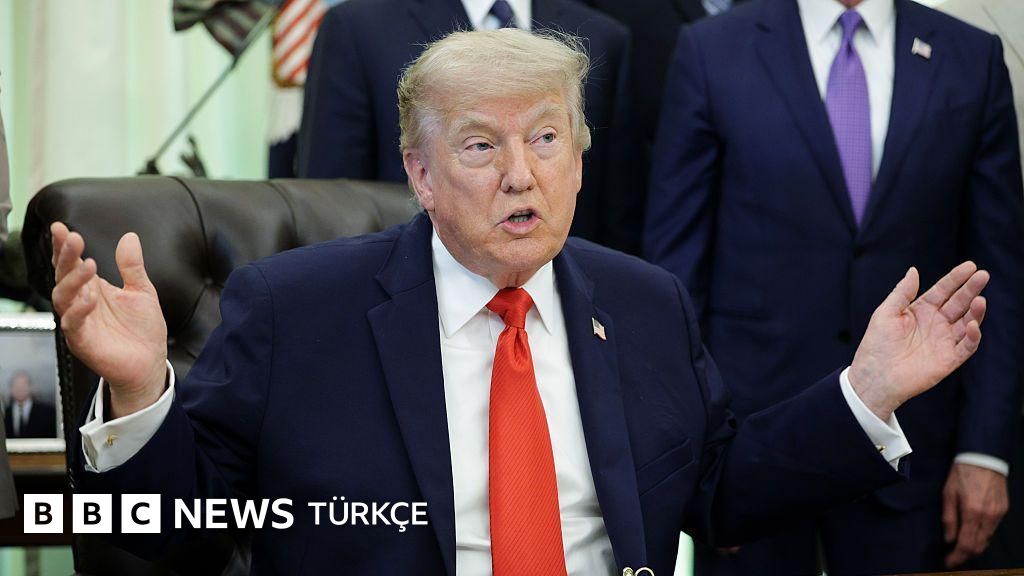
The Trump administration has reportedly reached a memorandum of understanding (MoU) with Iran, a development that signals a significant shift in Middle Eastern diplomacy. President Donald Trump stated that the agreement is “fully signed,” involving high-level U.S. officials and Iranian representatives to address long-standing tensions between the two nations.
While the specific technical details of the memorandum remain largely under wraps, reports indicate that the agreement involves high-ranking U.S. figures, including Vice President JD Vance, and Iranian officials. The move follows a period of heightened geopolitical friction and aims to establish a new framework for engagement regarding Iran’s nuclear program and regional activities.
What are the details of the US-Iran memorandum of understanding?
According to reports from multiple outlets, the memorandum of understanding represents a formal step toward stabilizing relations between Washington and Tehran. President Trump has characterized the agreement as a completed process, asserting that the deal is “fully signed” to signify its readiness for implementation. This announcement comes after intense diplomatic maneuvering aimed at finding a middle ground between U.S. security interests and Iranian economic and political demands.
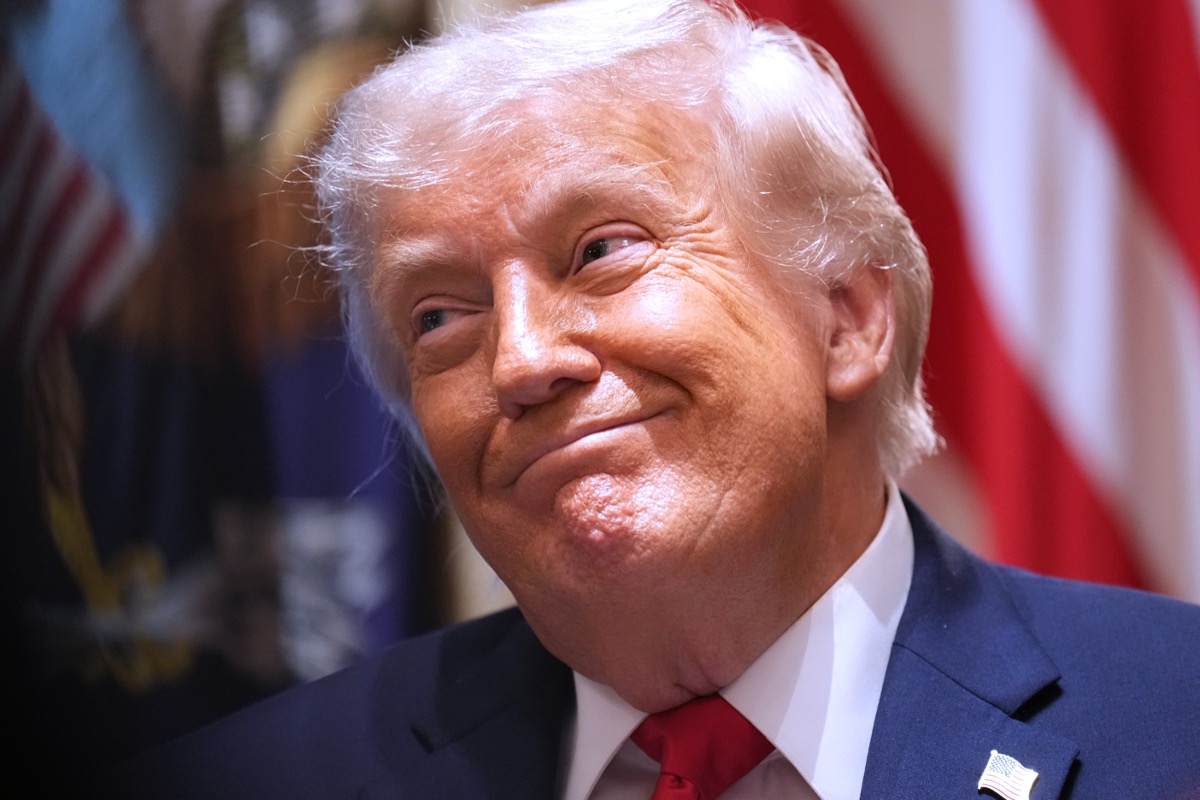
The signing process reportedly included Vice President JD Vance and an Iranian official identified as Kalibaf. While the exact roles and specific concessions made by each party have not been released in a formal government document, the involvement of the Vice President suggests that the administration views this MoU as a cornerstone of its foreign policy architecture. The agreement is expected to address core issues such as sanctions relief, nuclear oversight, and regional security protocols.
Diplomatic analysts note that a memorandum of understanding differs from a formal treaty; it serves as a non-binding agreement that outlines the intentions of the parties involved. This distinction is critical, as it allows both the Trump administration and the Iranian government to signal commitment to a new direction without the immediate legal complexities and legislative hurdles required for a permanent treaty. However, the scale of the announcement suggests that the administration intends to treat the MoU as a functional roadmap for future relations.
How much is the reported $300 billion agreement worth?
One of the most significant and debated aspects of the developing story is the economic scale of the deal. Reports from Haber 7, citing a close aide to President Trump, claim that the agreement involves a figure as high as $300 billion. This figure is intended to reflect the potential economic shifts, including sanctions relief and the unfreezing of assets, that could follow the successful implementation of the memorandum.
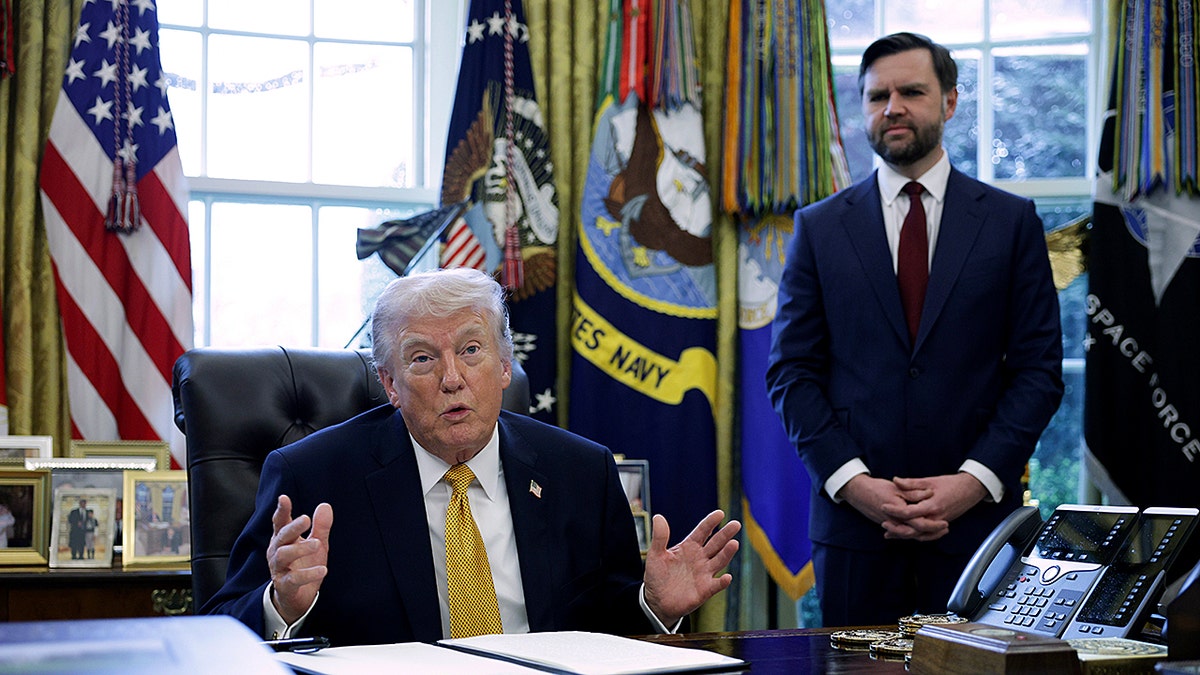
It is important to note that the $300 billion figure has not been independently verified through official U.S. Treasury or Iranian Central Bank filings. While the report suggests that Trump’s inner circle has confirmed the magnitude of the economic implications, the exact breakdown of these funds—whether they represent direct transfers, credit lines, or the value of released frozen assets—remains unconfirmed. The figure has drawn intense scrutiny from international economists who are attempting to reconcile such a massive sum with the current state of international sanctions.
If the economic components of the deal are realized, the impact on global energy markets and regional trade could be substantial. The injection of such significant capital into the Iranian economy, or the removal of barriers to its participation in global markets, would represent one of the largest shifts in Middle Eastern economic policy in decades. However, until official financial documents are released, the $300 billion figure remains a reported claim rather than a confirmed fact.
| Topic | Reported/Claimed Details | Verified/Official Status |
|---|---|---|
| Agreement Status | “Fully signed” per President Trump | Confirmed by presidential statements |
| Key Signatories | Trump, Vance, and Kalibaf | Reported by multiple news agencies |
| Economic Value | $300 billion | Unconfirmed; cited by aides/media |
| Legal Form | Memorandum of Understanding (MoU) | Reported as the framework of the deal |
How has Turkey responded to the US-Iran developments?
The potential for a stabilized US-Iran relationship has drawn immediate attention from regional powers, most notably Turkey. Turkish President Recep Tayyip Erdoğan has offered comments regarding the memorandum, according to reporting by Bloomberg. Erdoğan’s perspective highlights the concerns of neighboring states regarding how a new US-Iran alignment might affect regional security architectures and the influence of non-state actors in the Middle East.
Turkey’s stance is shaped by its unique position as a NATO member with significant economic and security interests in both the Persian Gulf and the Levant. Any shift in the US-Iran dynamic directly impacts Turkey’s strategic calculus, particularly concerning Syrian stability, Kurdish security issues, and energy transit corridors. Erdoğan’s remarks suggest that while Turkey monitors these developments closely, the regional implications of a major US-Iran rapprochement remain a primary concern for Ankara.
The reaction from Turkey underscores the “ripple effect” of the memorandum. If the US-Iran agreement leads to a reduction in regional proxy conflicts, it could provide Turkey with new diplomatic levers. Conversely, if the deal is perceived as excluding regional stakeholders or shifting the balance of power in ways that disadvantage Ankara, it could lead to increased diplomatic friction between Turkey and the incoming Trump administration’s foreign policy apparatus.
What comes next for the US-Iran diplomatic process?
The transition from a signed memorandum of understanding to a functioning diplomatic reality will require several critical checkpoints. The immediate next step will be the formal verification of the terms by the respective legislatures and relevant regulatory bodies, such as the U.S. Department of State and the Iranian Foreign Ministry. Observers will be looking for the release of the full text of the MoU to understand the specific timelines for sanctions relief and nuclear inspections.
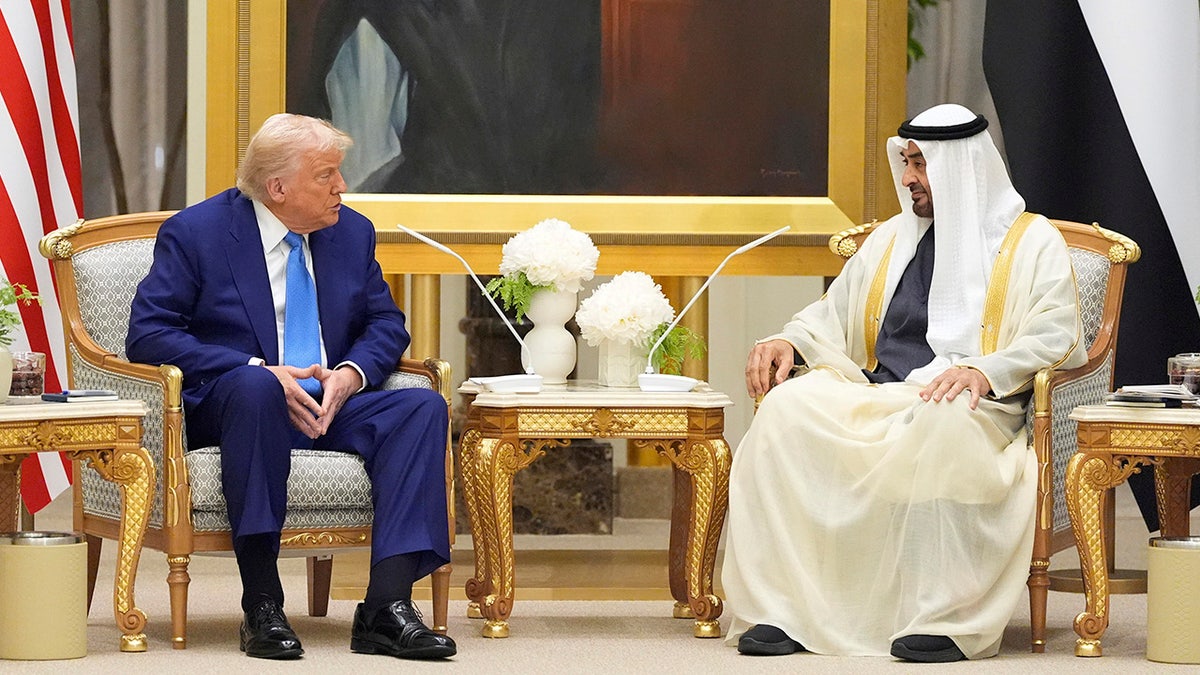
Furthermore, the international community, including the United Nations and the European Union, will likely seek clarity on how this bilateral agreement interacts with existing international law and previous nuclear frameworks like the Joint Comprehensive Plan of Action (JCPOA). The implementation of the deal will depend on whether both sides can move beyond the initial signatures to meet the concrete technical requirements outlined in the document.
Key milestones to watch include:
- The release of the official text of the memorandum.
- Statements from the International Atomic Energy Agency (IAEA) regarding nuclear monitoring.
- Official announcements from the U.S. Treasury regarding the status of Iranian assets.
- Follow-up diplomatic summits between U.S. and Iranian officials to finalize implementation protocols.
As these developments unfold, the global community remains focused on whether this memorandum will lead to a lasting peace or serve as a temporary pause in a decades-long confrontation. The coming months will be decisive in determining the viability of the Trump administration’s approach to Iran.
We will continue to monitor official filings and government statements as more information becomes available. Please share your thoughts on this development in the comments below.
Related reading
- How Kumamoto Built a Disaster-Resilient Future After Deadly Earthquakes
- Bringing Paris and London’s Winter Festivals to Korea: A Critique
- AI-Designed Viruses, Meta Fines, and Global News Updates (world-today-news.com)
- Latest Entertainment News: Movies, TV, Music, and Celebrity Updates (newsdirectory3.com)