Diplomatic efforts to finalize a comprehensive agreement between the United States and Iran have hit a significant hurdle as Tehran signals that a deal will not be signed by the Sunday timeline previously suggested by American officials. While the U.S. administration has expressed a clear intent to conclude negotiations by the end of the week, Iranian officials have publicly downplayed the prospect of meeting that specific deadline, citing ongoing disagreements regarding the implementation of key provisions.
The proposed framework, which has been the subject of intensive, albeit largely private, discussions, reportedly includes a complex series of measures involving oil sanctions waivers, specific limits on Iran’s nuclear program, and the release of frozen assets. According to reports from Reuters, these components remain central to the draft agreement, yet both sides continue to navigate significant gaps in their respective interpretations of the timeline and the sequence of commitments required for a formal, electronic signing.
Diverging Perspectives on the Sunday Deadline
The expectation of a Sunday resolution was underscored by U.S. officials who have maintained a steady, if cautious, optimism regarding the pace of the talks. In public comments, U.S. representatives have indicated that the government has “every intent” of finalizing the terms by the weekend, aiming to secure an electronic signature that would mark a de-escalation in tensions. This urgency reflects the broader administrative goal of stabilizing regional dynamics through a verifiable, multilateral or bilateral framework.
However, the Iranian perspective, as observed in recent diplomatic signaling, suggests that the U.S.-proposed timeline is not binding or feasible given the internal review processes required in Tehran. Iranian officials have emphasized that while progress has been made on the technical aspects of the draft—such as the International Atomic Energy Agency (IAEA) monitoring protocols—the political decision-making process cannot be compressed to meet a singular, externally imposed date. This gap in expectations highlights the persistent difficulty in aligning the domestic political needs of both Washington and Tehran.
Core Components of the Draft Agreement
At the center of the negotiations is a multifaceted package designed to address the primary grievances of both nations. The draft, which has been under development for several months, focuses on three pillars of engagement:
- Sanctions Relief: The potential for a waiver on specific oil sanctions, which would allow Iran to resume limited crude exports to international markets.
- Nuclear Constraints: A commitment from Tehran to cap uranium enrichment levels and allow for enhanced oversight by international inspectors, a process governed by the Non-Proliferation Treaty (NPT) standards.
- Asset Releases: The unfreezing of Iranian financial assets currently held in foreign banks, contingent upon compliance with the agreed-upon nuclear transparency measures.
The complexity of these measures is compounded by the verification mechanisms required to ensure both sides adhere to their commitments. The U.S. has insisted on a “snap-back” provision, which would allow for the immediate reimposition of sanctions should Iran be found in violation of the deal. Conversely, Tehran has sought guarantees that the relief will be tangible and not subject to future unilateral reversals.
Geopolitical Context and Regional Impact
The potential for a signed agreement is being monitored closely by regional stakeholders, including the Gulf Cooperation Council (GCC) and Israel, both of which have historically expressed concern over the long-term implications of any deal that eases pressure on the Iranian government. The White House has consistently stated that any final arrangement will be designed to enhance regional security and prevent nuclear proliferation, though critics argue that the proposed terms may not be sufficient to curb Iran’s regional military influence.
The current diplomatic impasse serves as a reminder of the volatility inherent in U.S.-Iran relations. Since the 2018 withdrawal from the Joint Comprehensive Plan of Action (JCPOA), the two nations have operated largely without a formal framework, leading to a cycle of maximum pressure and retaliatory escalations. The current attempt to reach an agreement is seen as an effort to break this cycle, though the failure to meet a specific Sunday deadline indicates that structural trust remains at a low point.
What Happens Next
With the Sunday timeline appearing increasingly unlikely to be met, diplomatic focus will likely shift toward the next round of technical meetings. There is currently no confirmed date for a high-level summit to finalize the draft, though international observers are looking toward the next scheduled session of the United Nations General Assembly or subsequent ministerial-level meetings for signs of a breakthrough. For now, the process remains in a state of flux, with both sides continuing to trade positions through diplomatic channels rather than public declarations.
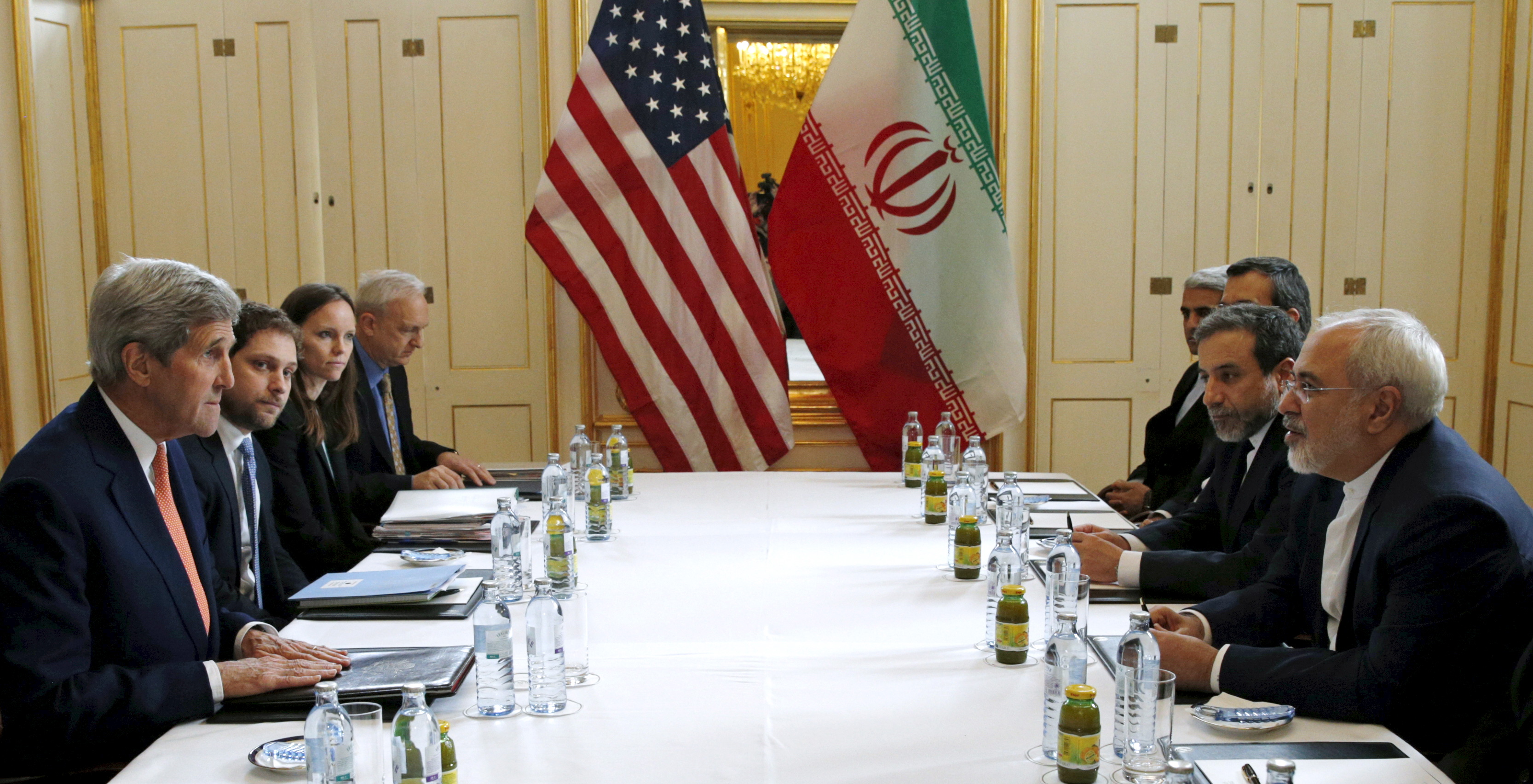
The success of these negotiations remains contingent upon the willingness of both Washington and Tehran to accept compromises that may be politically unpopular within their respective borders. As the situation develops, authoritative updates are expected to emerge from official State Department briefings and statements released by the Iranian Foreign Ministry. Readers are encouraged to monitor these official government portals for the most accurate, real-time information regarding the status of the agreement.
This report will be updated as further information becomes available from official diplomatic sources. Please check back for the latest developments and join the conversation in the comments section below.
Keep reading