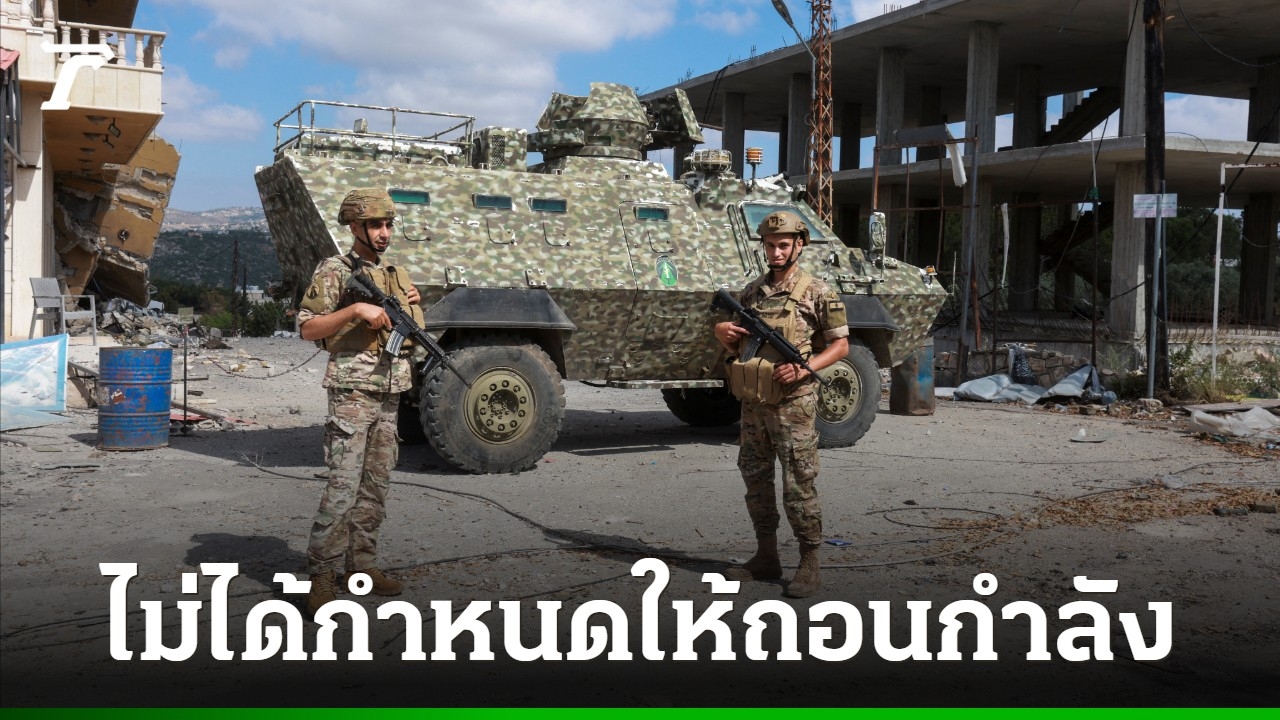
WASHINGTON, D.C. — The preliminary agreement brokered between the United States and Iran in recent negotiations does not mandate an Israeli withdrawal from southern Lebanon, according to U.S. and European diplomats briefed on the talks. While the deal aims to ease tensions in the Strait of Hormuz and reduce regional proxy conflicts, it explicitly excludes Lebanon from the framework’s military withdrawal clauses, leaving Israel’s presence in the Shebaa Farms area and along the Blue Line border unresolved.
Confirmed by a senior State Department official speaking on condition of anonymity, the agreement focuses on de-escalation in the Strait of Hormuz and the resumption of indirect talks on Iran’s nuclear program, but does not address Israel’s long-standing military deployment in Lebanon. “The Lebanese file was not part of the core negotiations,” the official stated. “Israel’s security concerns remain a separate matter for bilateral discussions between Jerusalem and Beirut.”
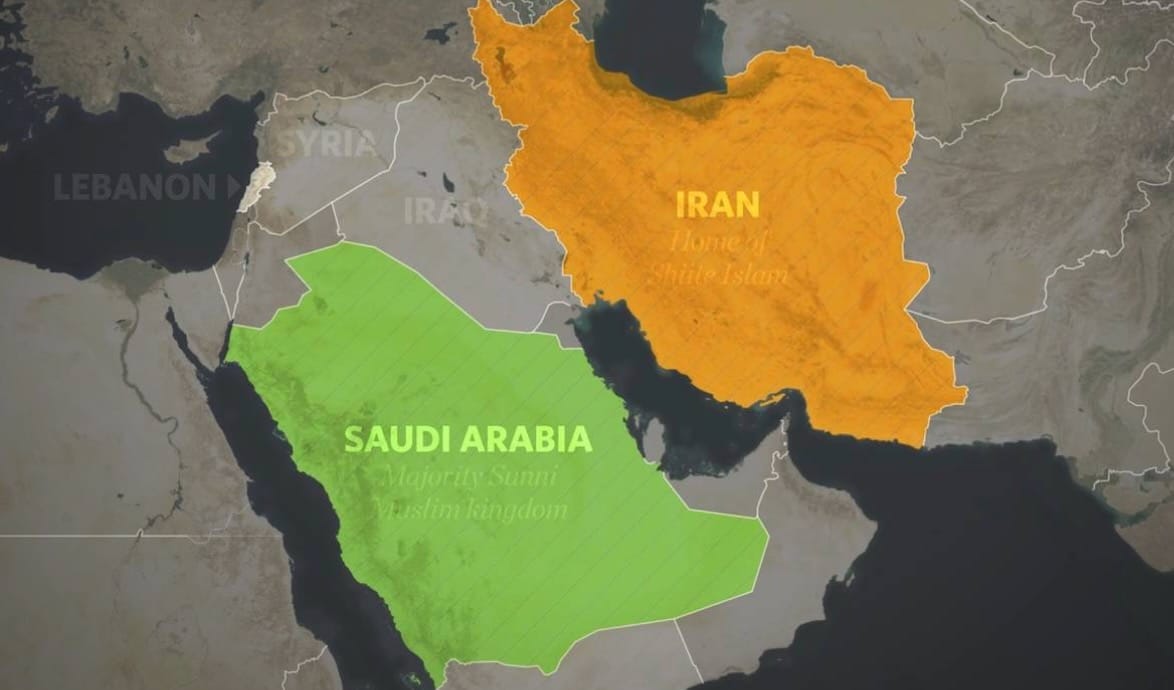
Regional analysts warn that the omission could prolong instability in southern Lebanon, where Hezbollah—backed by Iran—has maintained a military presence since the 2006 Israel-Lebanon conflict. “The deal’s silence on Lebanon sends a mixed signal,” said Becca Wasserman-Shaw, a Middle East security expert at Brookings Institution. “Hezbollah will interpret this as a green light to continue its operations, while Israel may see it as a missed opportunity to pressure Tehran indirectly.”
–>
What the U.S.-Iran Deal Actually Covers—and What It Omits
The agreement, reached after months of indirect negotiations facilitated by Oman and Iraq, includes three key components verified by multiple diplomatic sources:
- Strait of Hormuz security: The U.S. has agreed to lift some economic restrictions on Iranian oil shipments through the Strait, though full sanctions relief remains contingent on Iran’s compliance with nuclear-related terms. A Reuters report confirms partial reopening of commercial lanes, with full access expected by late May.
- Nuclear talks restart: Iran has committed to resume negotiations on its nuclear program under the 2015 Joint Comprehensive Plan of Action (JCPOA), though no timeline for reviving the deal has been set. The International Atomic Energy Agency (IAEA) has not yet verified any changes in Iran’s uranium enrichment activities.
- Proxy conflict reduction: Both sides have agreed to reduce support for armed groups in Yemen, Syria, and Iraq, though enforcement mechanisms are vague. A Financial Times analysis notes this clause does not explicitly name Hezbollah, leaving its status ambiguous.
Critically, the deal does not reference Israel’s military presence in Lebanon, despite repeated Israeli demands for Hezbollah’s disarmament. “Israel was never a party to these talks,” clarified a European diplomat involved in the negotiations. “Any expectations that the deal would force Israel’s hand on Lebanon were unrealistic from the start.”
Why Lebanon’s Status Remains Unresolved—and What It Means for Regional Stability
The omission of Lebanon from the U.S.-Iran agreement reflects deeper geopolitical realities:
- Israel’s red lines: Jerusalem has long opposed any deal that weakens its leverage over Hezbollah without reciprocal concessions. A Times of Israel report from April cites Israeli officials stating that withdrawal from southern Lebanon would only occur after Hezbollah’s full disarmament—a demand Iran has repeatedly rejected.
- Hezbollah’s strategic depth: The group’s military infrastructure in Lebanon serves as a deterrent against Israeli strikes on Iran’s nuclear facilities. Analysts at the Washington Institute argue that Iran has no incentive to pressure Hezbollah to withdraw, as its presence in Lebanon remains a critical asset in the shadow war with Israel.
- Lebanon’s fragile sovereignty: The country’s government, already paralyzed by political divisions, lacks the authority to enforce a withdrawal. Hezbollah’s arms are technically illegal under Lebanese law, but the group’s political power ensures no action will be taken against it.
For Lebanon’s civilian population, the stalemate means continued exposure to cross-border skirmishes. The United Nations Interim Force in Lebanon (UNIFIL) has reported increased tensions along the Blue Line, with no mechanism to verify a withdrawal even if agreed upon.
How the Deal’s Omissions Could Escalate—or De-escalate—Tensions
Two contrasting scenarios emerge from the deal’s structure:
| Potential Outcome | Likelihood | Key Indicators |
|---|---|---|
| De-escalation in Hormuz, but frozen conflict in Lebanon | Moderate |
|
| Escalation via proxy wars | Low-Moderate |
|
One wildcard is the timeline for full sanctions relief. While the U.S. has eased some restrictions on Iranian oil exports, full compliance with the JCPOA could take months—or never materialize if Iran fails to meet nuclear inspections. A New York Times investigation suggests Iran may demand additional concessions, including lifting sanctions on its Revolutionary Guard Corps, before agreeing to further nuclear rollbacks.
What Happens Next: Key Checkpoints and Unanswered Questions
The next critical phases in this diplomatic process include:
- May 20–25: IAEA verification of Iran’s nuclear stockpile reductions. If Iran fails to meet thresholds, talks could stall (IAEA updates here).
- June 1: Deadline for U.S. Congress to review the deal’s economic impact. Lawmakers are divided, with some pushing for stricter enforcement (track bills here).
- Ongoing: Israel-Lebanon border dynamics. Hezbollah’s Secretary-General Hassan Nasrallah has not yet commented on the deal, but analysts expect a response within weeks.
For readers seeking updates, the following resources provide real-time tracking:
- U.S. State Department Iran policy page
- UNIFIL’s latest reports on Lebanon-Israel tensions
- IAEA’s nuclear verification updates
As negotiations proceed, one certainty remains: the U.S.-Iran deal’s impact on Lebanon will depend not on what is written in the agreement, but on whether Israel and Hezbollah choose to respect its spirit—or ignore it entirely.
Maria Petrova is a senior editor covering Middle East geopolitics. Her reporting has been recognized by the European Press Prize for International Reporting (2022). For corrections or additional context, contact [email protected].
What do you think? Will the U.S.-Iran deal reduce tensions in Lebanon—or leave the region’s proxy wars unchanged? Share your analysis in the comments below.
Related reading
- Bernie Sanders Declines to Endorse Korean-American Gubernatorial Candidate Francesca Hong
- Russia: Aggressor, Not Victim, in Ukraine War
- Trump Denies US Munitions Shortages Amid Reports of Tense Cabinet Meeting (time.news)
- Iran’s Regime Propaganda: The Strategy Behind Revengeary Billboards (archyde.com)