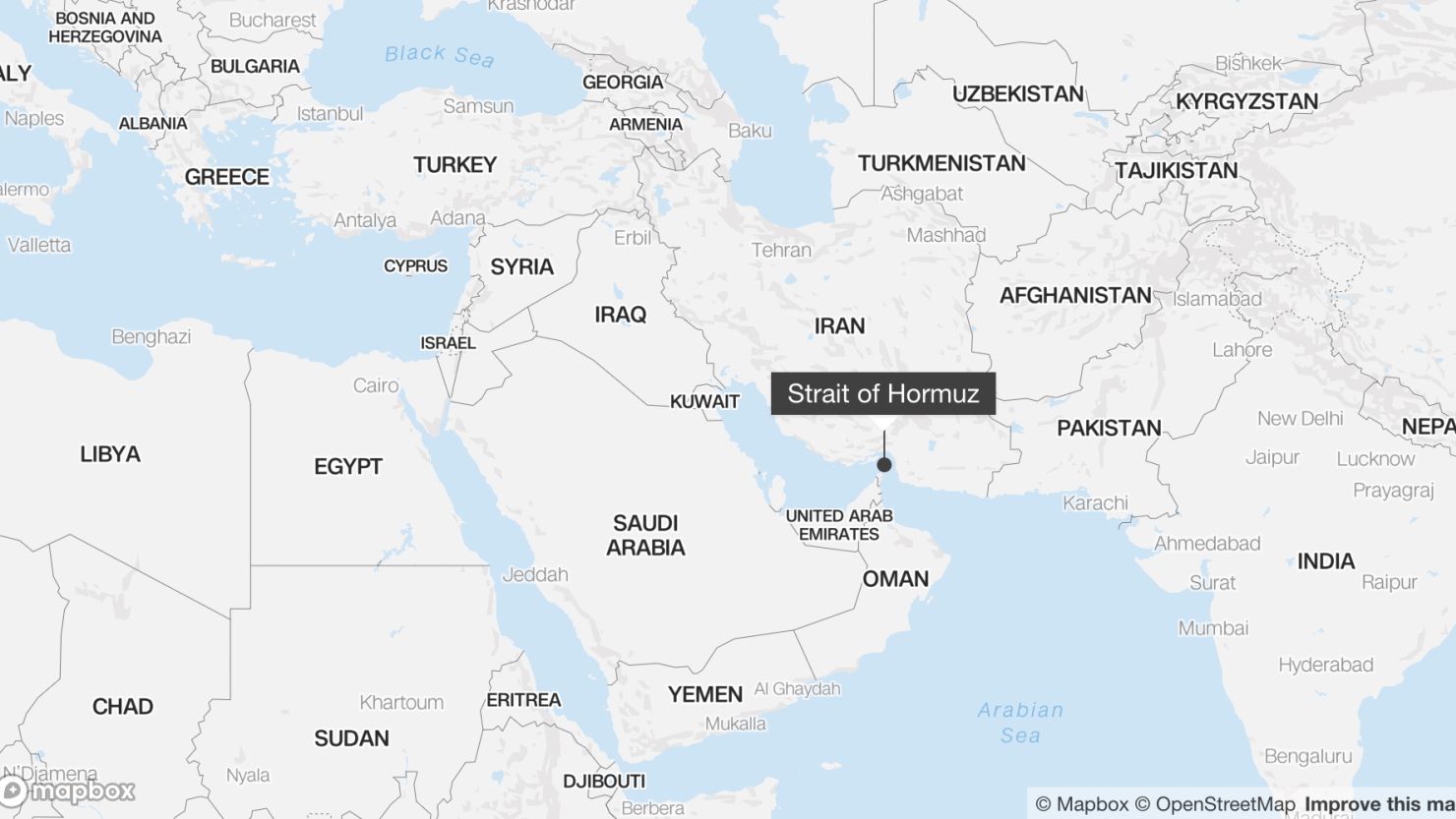
The maritime corridors of the Middle East have entered a period of acute volatility as a sanctioned tanker, having barely exited the Gulf, turned back toward the Strait of Hormuz. This maneuver comes amid a high-stakes geopolitical standoff triggered by the US naval blockade of Iranian ports, a move that has effectively tightened the noose around Tehran’s maritime trade and pushed global powers toward a dangerous confrontation.
The blockade, which came into force on Monday, April 13, 2026, follows the collapse of critical peace talks between the United States and Iran in Pakistan BBC. Although the Trump administration maintains the measure is a necessary tool to force Iran to abandon its nuclear ambitions, the move has sent shockwaves through the global energy market and strained the diplomatic relationship between Washington and Beijing.
For the international community, the situation represents a precarious “game of chicken” where the stakes include the stability of the world’s most critical oil chokepoint. With Iran having effectively closed the Strait of Hormuz in response to previous US-Israeli strikes, the addition of a formal US naval blockade has created a maritime deadlock that threatens to disrupt the flow of energy to Asia and beyond.
The Strategic Lockdown of the Strait of Hormuz
The implementation of the blockade marks a significant escalation in the economic warfare between Washington and Tehran. According to the Trump administration, the naval restrictions are designed to exert maximum pressure on the Iranian government, leveraging its dependence on maritime exports to achieve diplomatic concessions regarding its nuclear program BBC.
Though, the timing of the blockade has been widely criticized. It was launched just one day after the failure of diplomatic efforts in Pakistan, leaving little room for a negotiated settlement. The result is a fragile security environment where any miscalculation by naval vessels could reignite a full-scale conflict. Iran’s ambassador to the UN has already labeled the blockade a “grave violation” of national sovereignty BBC.
The Strait of Hormuz remains the central theater of this conflict. Because Iran had already restricted traffic in the strait following US-Israeli strikes, the US blockade serves as a counter-measure that further isolates Iranian ports. Analysts suggest that the blockade is not only aimed at Tehran but is also intended to pressure China, which remains the primary consumer of Iranian oil, to leverage its influence to force Iran to reopen the waterway BBC.
Beijing’s Dilemma: Energy Security and Diplomacy
China finds itself in an increasingly difficult position, balancing its strategic partnership with Iran against its broader diplomatic goals with the United States. As the largest buyer of Iranian oil, Beijing is uniquely exposed to the consequences of the US naval blockade. Chinese vessels have been among the few ships still managing to navigate the strait, though the exact nature of their transit—including whether tolls are paid to Tehran—remains unclear BBC.
The Chinese foreign ministry has been vocal in its opposition to the blockade, with spokesman Guo Jiakun describing the US move as “irresponsible and dangerous” BBC. Beijing argues that such measures undermine the “already fragile ceasefire agreement” and jeopardize the safety of all commercial shipping in the region.
From China’s perspective, the path to stability requires a comprehensive ceasefire and a return to dialogue. Guo Jiakun emphasized that only by ending the war can the conditions be created to restore normal traffic in the strait BBC. Despite this public stance of neutrality and peace-brokering, US intelligence suggests a more provocative undercurrent to the China-Iran relationship.
Allegations of Arms Transfers and the MANPADS Controversy
While Beijing publicly advocates for a ceasefire, US intelligence reports indicate that China may be preparing to deliver new air defense systems to Iran within the coming weeks CNN. These systems are identified as shoulder-fired anti-air missile systems, known as MANPADS, which pose a significant asymmetric threat to low-flying US military aircraft.
The intelligence suggests that Beijing is attempting to mask the origin of these shipments by routing them through third countries CNN. This is particularly sensitive given that the region is recovering from a five-week war, and the MANPADS could potentially be used if the current ceasefire collapses.
The Chinese government has vehemently denied these claims. A spokesperson for the Chinese Embassy in Washington stated that China has never provided weapons to any party in the conflict and dismissed the intelligence as untrue CNN. Similarly, Guo Jiakun told a news conference on Tuesday that reports of new air defense systems being delivered to Iran were “completely fabricated” BBC.
President Donald Trump has responded to these intelligence assessments with a direct warning to Beijing. When questioned about whether he had discussed the matter with President Xi Jinping, Trump stated, “If China does that, China will have considerable problems, OK?” CNN.
Key Stakeholders and Regional Impact
| Stakeholder | Primary Risk/Impact | Strategic Objective |
|---|---|---|
| Iran | Complete loss of maritime trade; economic isolation. | Force lifting of blockade; maintain sovereignty. |
| United States | Risk of direct military escalation; oil price volatility. | End Iranian nuclear ambitions; pressure China. |
| China | Disruption of oil supply; potential US sanctions. | Secure energy imports; maintain regional stability. |
| Global Shipping | Increased insurance costs; danger of seizure/attack. | Restoration of safe passage through Hormuz. |
What This Means for Global Energy and Security
The return of a sanctioned tanker to the Strait of Hormuz is more than a tactical retreat; it is a symptom of a broader systemic failure in diplomacy. When maritime trade is used as a primary weapon of war, the ripple effects are felt far beyond the immediate conflict zone. The US naval blockade of Iranian ports creates a bottleneck that can lead to rapid spikes in global oil prices, affecting everything from transportation costs to consumer goods.
the tension between the US and China over Iranian weapons shipments adds a layer of complexity. If the US believes that China is utilizing a ceasefire to help Iran replenish its arsenal with MANPADS, the incentive for Washington to maintain the blockade—and potentially expand it—increases CNN.
For the global audience, the critical question is whether the “fragile ceasefire” can survive this economic onslaught. The US-Israeli strikes that initially prompted Iran’s closure of the strait have already left the region on edge. The current blockade may be intended as a non-kinetic way to achieve political goals, but in the crowded waters of the Gulf, the line between economic pressure and military provocation is dangerously thin.
As the world watches the movements of every sanctioned vessel and every naval patrol, the focus now shifts to the highest levels of government. The coming weeks will determine if the current maritime deadlock is a temporary pressure tactic or the beginning of a new, more dangerous phase of confrontation in the Middle East.
The next major diplomatic checkpoint will occur early next month, when President Donald Trump is scheduled to visit China for high-level talks with President Xi Jinping CNN. These discussions are expected to center on the blockade, the alleged weapons transfers, and the broader security architecture of the region.
World Today Journal encourages readers to share this report and join the conversation in the comments below. How should the international community balance energy security with nuclear non-proliferation?
Related reading