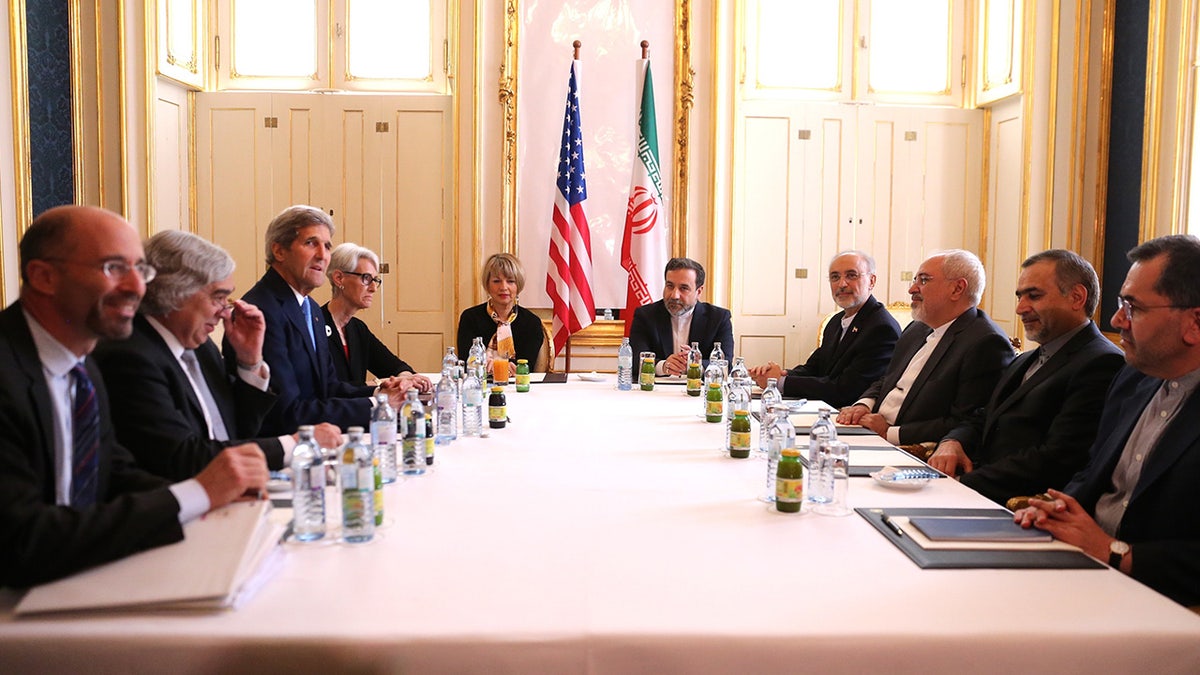
Diplomatic discussions between the United States and Iran regarding a potential revival of the 2015 nuclear agreement have recently intensified, triggering significant movement in international financial markets. While official channels have been cautious in their characterization of these talks, reports of progress have contributed to a notable rally in major Asian indices, including those in Japan and South Korea. Investors are currently monitoring the situation for signs of a formal breakthrough that could alleviate long-standing geopolitical tensions in the Middle East.
The market reaction reflects a broader sensitivity to energy security and regional stability. As international observers track these developments, the primary focus remains on whether these discussions will yield a durable framework for diplomatic cooperation. According to the U.S. Department of State, the administration continues to pursue a path of diplomacy to prevent Iran from acquiring a nuclear weapon, though officials have consistently maintained that no final agreement has been reached.
Market Volatility and Regional Economic Impacts
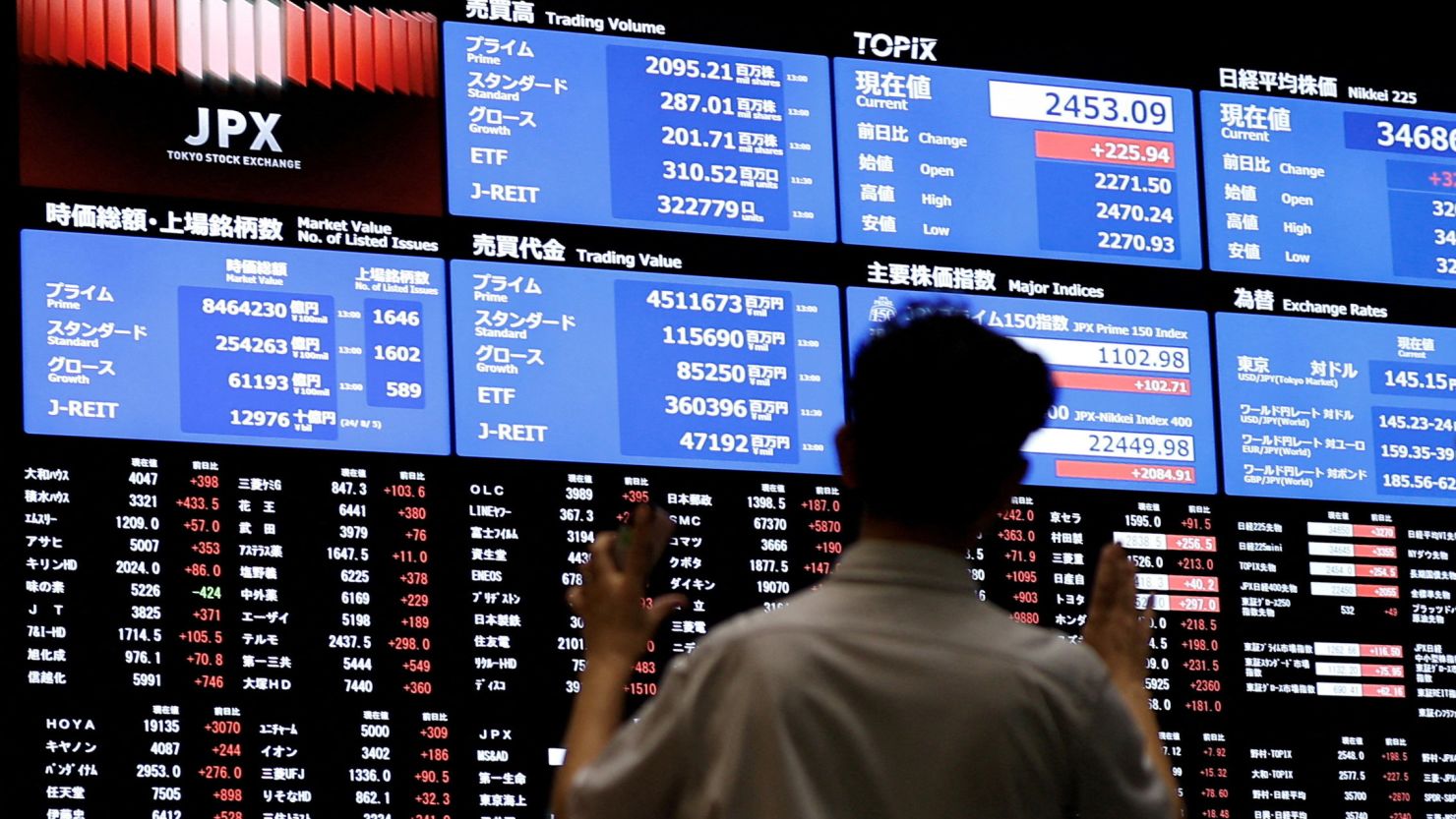
Recent reports regarding the status of U.S.-Iran negotiations have coincided with significant fluctuations in regional equity markets. In Tokyo and Seoul, investors responded to the prospect of a de-escalation in Middle Eastern tensions, which typically correlates with lower volatility in global oil prices. Markets often react to such geopolitical signals as they assess the potential for reduced sanctions-related risks and improved trade stability.

Financial analysts note that the rally observed in various indices—sometimes cited in reports as reaching significant point gains—is largely driven by speculative optimism regarding the potential for renewed energy exports. However, the Reuters news agency reports that energy analysts remain cautious, emphasizing that any sustained impact on global crude prices would require the formal lifting of U.S. sanctions on Iranian oil exports. Until such concrete policy shifts are verified by the U.S. Treasury Department, market volatility is expected to persist as traders weigh diplomatic rumors against official policy statements.
The Status of Diplomatic Channels
Diplomatic efforts to address the nuclear file have been conducted through various intermediary channels. The government of Qatar has played an active role in facilitating communication between Washington and Tehran, serving as a primary venue for high-level discussions. According to statements released by the Qatari Ministry of Foreign Affairs, these efforts are intended to foster a secure environment for dialogue that addresses the concerns of all participating parties.
The Iranian government has acknowledged that exchanges have taken place, with officials describing the process as a means to resolve outstanding issues. However, the lack of a signed, comprehensive document leaves many questions unanswered regarding the specific terms of any potential arrangement. The International Atomic Energy Agency continues to perform its monitoring and verification mandates within Iran, providing the international community with objective reports on the country’s nuclear activities, which remain the baseline for any diplomatic assessment.
Understanding the Barriers to a Final Settlement
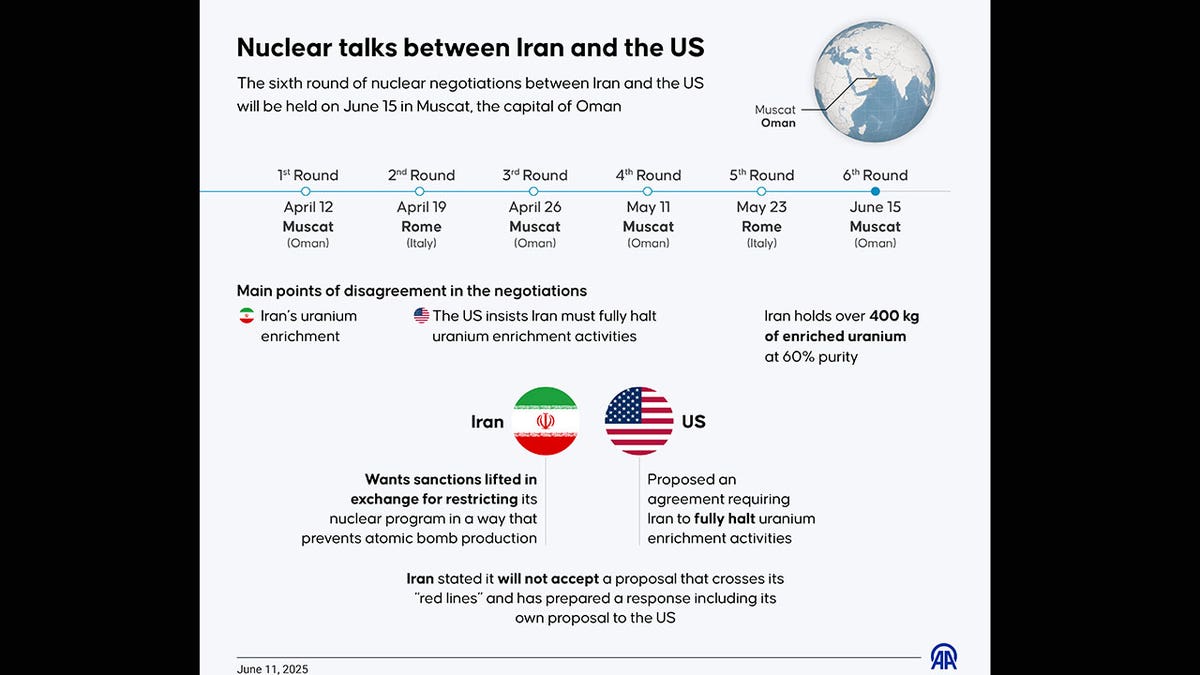
The path toward a formal agreement remains complex, hindered by fundamental disagreements over the scope of nuclear enrichment and the sequencing of sanctions relief. Historically, the White House has insisted that any agreement must be longer and stronger than the original 2015 Joint Comprehensive Plan of Action (JCPOA), a position that has faced significant resistance from Iranian negotiators who prioritize the immediate removal of economic restrictions.
Furthermore, domestic political pressures in both Washington and Tehran continue to narrow the window for successful negotiations. Observers point to the upcoming electoral cycles and the internal political climate in Iran as factors that complicate the ability of either side to make significant concessions. The Council on Foreign Relations has documented that without a clear mechanism for verification and enforcement, the likelihood of a sustainable, long-term deal remains low, regardless of the optimism currently reflected in regional stock markets.
What Happens Next
The next phase of these negotiations will likely be defined by the technical meetings between working-level diplomats aimed at ironclad verification protocols. Market participants are advised to look for updates from the U.S. Department of State press briefings and official communiqués from the Qatari government for any confirmed shifts in policy. Until such announcements are made, the current rally in Asian markets should be viewed as a reaction to potential, rather than established, geopolitical shifts.
Readers interested in following these developments can monitor official updates through the State Department’s press office or the IAEA media portal for verified information on nuclear oversight. We encourage our readers to participate in the discussion by sharing their perspectives on the intersection of geopolitics and global finance in the comments section below.
Worth a look