
Iran Nuclear Deal Talks: What’s Next for Sanctions, Strait of Hormuz, and Regional Stability?
Diplomatic efforts between Iran and the United States have reached a critical juncture, with sources suggesting an agreement could be finalized within days. If reached, such a deal would mark a significant shift in Middle East geopolitics, potentially easing decades-long sanctions while addressing concerns over Iran’s nuclear program and its influence in the Strait of Hormuz. But with tensions still high and regional allies watching closely, the path forward remains fraught with uncertainty.
The talks, which have been ongoing for months, appear to be nearing a conclusion after a period of heightened indirect negotiations. While no official announcement has been made, multiple diplomatic sources—including those familiar with the discussions—have indicated that both sides are working to bridge remaining gaps. The potential agreement would likely include limited sanctions relief, particularly in the oil and banking sectors, in exchange for further transparency on Iran’s nuclear activities and constraints on its enrichment capabilities.
Yet the stakes extend far beyond the nuclear file. The Strait of Hormuz, a critical chokepoint for global oil supplies, has been a flashpoint in recent years, with Iranian-backed groups and regional rivals engaging in proxy conflicts. Any deal would need to address these security concerns to prevent a resurgence of tensions that could disrupt energy markets and destabilize the Gulf.
The Nuclear Dimension: What’s on the Table?
At the heart of the negotiations is Iran’s nuclear program, which has been a source of international concern for over two decades. The Joint Comprehensive Plan of Action (JCPOA), the 2015 nuclear deal, was abandoned by the U.S. In 2018 under former President Donald Trump. Since then, Iran has gradually scaled back its commitments, enriching uranium to higher levels and expanding its stockpile, though it has maintained that its program is for peaceful purposes.
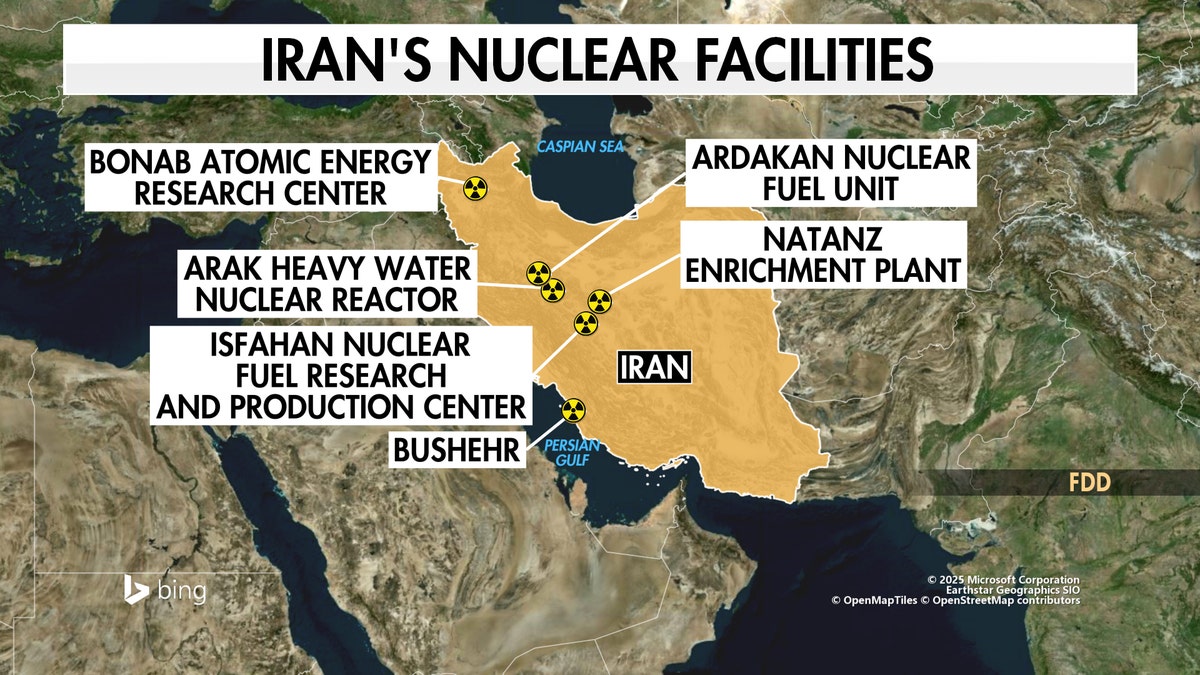
According to International Atomic Energy Agency (IAEA) reports from early 2026, Iran’s uranium enrichment levels have fluctuated, with some facilities operating beyond the limits set by the JCPOA. However, the IAEA has not reported any confirmed breaches of the Non-Proliferation Treaty (NPT) safeguards. A new agreement would likely involve:
- Limited sanctions relief: Easing restrictions on Iranian oil exports and banking transactions, though likely not a full return to pre-2018 levels.
- Extended nuclear transparency: Enhanced monitoring by the IAEA, including unannounced inspections at certain facilities.
- Constraints on enrichment: A cap on uranium enrichment levels, though the exact terms remain unclear.
- Regional security guarantees: Discussions on reducing tensions in the Strait of Hormuz and addressing proxy conflicts in Yemen, Syria, and Iraq.
One major hurdle remains the U.S. Congress, where any sanctions relief would require legislative approval. Even if an agreement is reached, the process of lifting sanctions could take months, leaving room for political maneuvering.
“The ball is in Tehran’s court now. The U.S. Has shown flexibility, but Iran must demonstrate It’s serious about de-escalation—not just on nuclear issues, but in the Gulf as well.”
The Strait of Hormuz: A Powder Keg Waiting to Explode?
The Strait of Hormuz is one of the world’s most strategically vital waterways, through which roughly 20% of global oil trade passes daily. In recent years, tensions have risen as Iran has increased its military presence in the region, including patrols by the Islamic Revolutionary Guard Corps (IRGC). The U.S. And its allies, including Saudi Arabia and the UAE, have accused Iran of supporting Houthi attacks on commercial shipping and oil facilities.
If a nuclear deal is reached, experts warn that Iran may seek to leverage its newfound diplomatic momentum to increase pressure in the Strait. This could include stepped-up military drills, threats to commercial shipping, or even direct confrontations with U.S. Naval forces. The U.S. Central Command (CENTCOM) has already warned of escalating risks, with officials emphasizing the need for de-escalation.
Saudi Arabia, in particular, has expressed skepticism about any deal that does not address Iran’s regional behavior. Riyadh has been pushing for a broader agreement that includes limits on Iranian missile programs and support for militant groups. Without such guarantees, Saudi officials have suggested they may delay normalization talks with Iran.
Regional Reactions: Who Wins and Who Loses?
The potential agreement has sent ripples through the Middle East, with each regional player assessing the implications for their own security and economic interests.
Key Stakeholders and Their Interests
- Iran: Seeks sanctions relief to revive its economy, particularly in oil exports and banking. May use diplomatic momentum to push for concessions in the Strait of Hormuz.
- United States: Aims to prevent Iran from acquiring nuclear weapons while avoiding a prolonged conflict. Faces domestic political constraints on sanctions relief.
- Saudi Arabia: Wants guarantees on Iranian missile programs and support for militant groups. May link its own regional posture to Iran’s behavior.
- Israel: Views any nuclear deal skeptically, fearing it could embolden Iran’s regional ambitions. Has conducted strikes against Iranian assets in Syria and elsewhere.
- Russia: Supports Iran diplomatically and economically but may avoid direct involvement in the nuclear talks, preferring to maintain its influence in the region.
- China: Has been a key buyer of Iranian oil and could benefit from a deal that stabilizes oil markets. May push for expanded economic ties with Tehran.
What Happens Next? The Road Ahead
If an agreement is reached in the coming days, the next critical phase will involve:
- Sanctions relief: The U.S. Treasury and State Department would need to formally announce the easing of restrictions, a process that could take weeks. Iran would likely see partial relief in oil exports and banking, but full normalization would require congressional action.
- IAEA verification: The agency would ramp up inspections to monitor compliance with any new nuclear constraints. Discrepancies could lead to renewed tensions.
- Regional security talks: The U.S. And its Gulf allies would likely push for follow-up discussions on the Strait of Hormuz, including confidence-building measures to reduce the risk of conflict.
- Domestic politics: In the U.S., opponents of the deal—including hardline lawmakers and former officials—would likely challenge its legitimacy, potentially leading to legal or legislative pushback.
The timeline for a finalized deal remains uncertain. While some sources suggest an announcement could come as early as this week, others caution that technical and political hurdles could delay progress. The next official update is expected from the U.S. State Department or the Iranian Foreign Ministry within the next 48 hours.
What do you think? Will this deal bring stability to the region, or are we heading toward another cycle of tensions? Share your thoughts in the comments below or on our Twitter.
Worth a look