
Diplomatic efforts to initiate the first round of U.S.-Iran nuclear talks remain in flux following the last-minute cancellation of a formal signing ceremony initially scheduled for Friday. While representatives from both nations have been engaged in back-channel communications to address outstanding grievances, the abrupt decision to scrap the ceremonial event has introduced new uncertainty regarding the immediate timeline for restoring the 2015 nuclear agreement, formally known as the Joint Comprehensive Plan of Action (JCPOA), according to reports from Reuters.
The postponement follows months of indirect negotiations mediated by European Union officials in Vienna, aimed at bringing both Tehran and Washington back into compliance with the accord. The agreement, which saw the United States withdraw unilaterally in 2018 under the Trump administration, remains the primary framework for international efforts to curb Iran’s nuclear enrichment program, as documented by the International Atomic Energy Agency (IAEA).
Current Status of Diplomatic Channels
The cancellation of the signing ceremony does not signify a total collapse of the diplomatic process, though it highlights the fragility of the current negotiations. According to statements from the U.S. Department of State, the primary obstacle remains the sequencing of sanctions relief for Iran and the reversal of nuclear activities that exceed the limits set by the original treaty. Tehran has consistently maintained that the U.S. must lift all sanctions imposed or re-imposed since 2018 before it will scale back its uranium enrichment programs.
European negotiators continue to facilitate communication, acting as go-betweens to bridge the gap between the two parties. This indirect approach has been necessitated by Iran’s refusal to engage in direct bilateral talks with U.S. officials until tangible economic relief is guaranteed. The current impasse reflects a broader struggle over regional security interests, which remain a point of contention for both the Iranian government and regional allies of the United States, including Israel and several Gulf states, as monitored by the Council on Foreign Relations.
Why the JCPOA Framework Remains Contentious
The 2015 agreement was designed to provide Iran with sanctions relief in exchange for verifiable restrictions on its nuclear program. Since the U.S. exit, Iran has gradually increased its uranium enrichment levels, moving further away from the 3.67% purity limit mandated by the deal, according to data provided by the Arms Control Association. These developments have complicated the path toward a potential return to the original terms of the agreement.
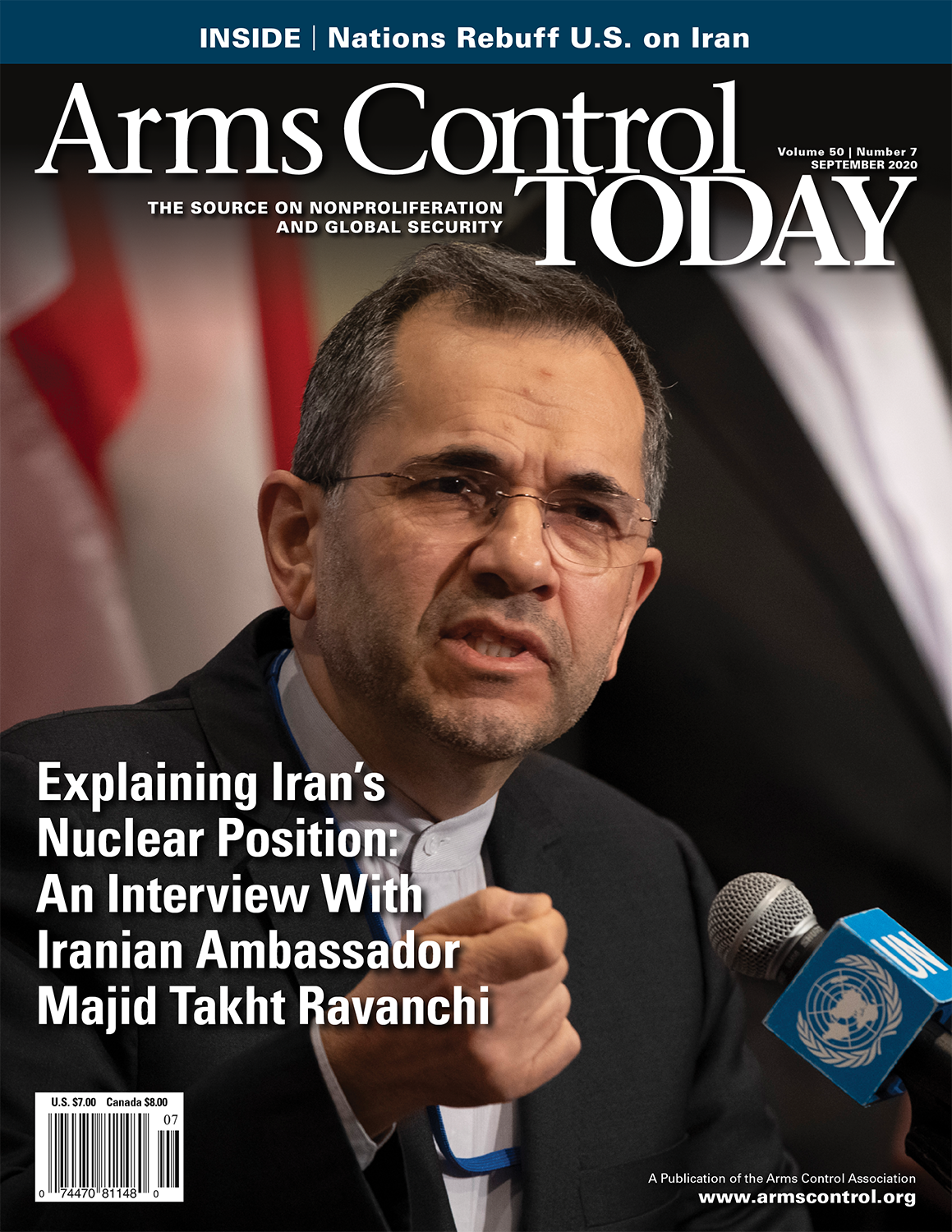
For the Biden administration, the goal is to create a “longer and stronger” agreement that addresses not only nuclear capabilities but also Iran’s ballistic missile development and regional activities. Iranian officials, however, have historically rejected any expansion of the negotiations, insisting that the focus remain exclusively on the original nuclear commitments. This fundamental disagreement on the scope of the talks continues to define the boundaries of the current diplomatic struggle.
Stakeholders and Regional Impact
The impact of a stalled or failed negotiation extends beyond the borders of the two primary nations involved. Regional stability in the Middle East is heavily influenced by the status of these talks, as international markets remain sensitive to any escalation in rhetoric between Washington and Tehran. Economic analysts note that the global oil market, in particular, is closely monitoring the situation, given that the lifting of U.S. sanctions would allow for the return of Iranian oil to the global market, potentially shifting current price trends, as reported by the International Energy Agency.
In addition to economic concerns, non-proliferation experts emphasize the importance of IAEA inspections. The agency’s ability to monitor Iranian nuclear sites has been a cornerstone of the agreement, and any prolonged delay in formal talks raises concerns about the transparency of Iran’s ongoing nuclear activities. The IAEA Director General has repeatedly urged all parties to prioritize the resumption of full monitoring capabilities to ensure that nuclear material is not diverted toward military purposes.
Next Steps in the Negotiation Process
As of this week, no new date has been set for a formal signing ceremony or a direct meeting between the parties. The next confirmed checkpoint for the international community will be the upcoming meeting of the IAEA Board of Governors, where member states are expected to review the latest reports on Iran’s nuclear compliance and deliberate on the effectiveness of the ongoing diplomatic efforts.
Official updates regarding the schedule for future discussions are expected to be issued through the office of the EU High Representative for Foreign Affairs and Security Policy. Observers are advised to monitor official government press releases for any changes in the status of the delegation meetings. If you have insights on the economic implications of these talks or wish to follow the latest developments, please share your thoughts or join the conversation in the comments section below.
Worth a look