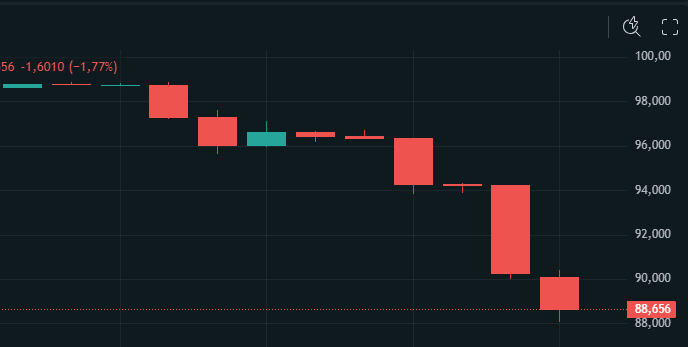
As global markets navigate a period of heightened geopolitical sensitivity, the intersection of energy policy and international diplomacy has once again moved to the forefront of investor concern. Recent fluctuations in crude oil prices, particularly regarding West Texas Intermediate (WTI) and Brent benchmarks, reflect the market’s reactive stance toward the evolving diplomatic dialogue between the United States and Iran. As the current administration navigates these complexities, the volatility observed in energy sectors serves as a poignant reminder of how swiftly commodity markets respond to shifts in the geopolitical landscape.
For investors and policy observers alike, understanding the structural drivers behind these market movements is essential. While reports of potential shifts in foreign policy often trigger immediate price corrections, the underlying reality of global supply chains and maritime security remains the primary determinant of long-term price stability. My analysis, rooted in nearly two decades of tracking global economic trends, suggests that the current volatility is as much about the uncertainty of diplomatic outcomes as it is about the physical constraints on global oil transit.
Geopolitical Tensions and Market Volatility
The recent market sentiment has been defined by a tension between the promise of de-escalation and the reality of ongoing maritime security challenges. As noted in recent market activity, the price of WTI crude oil experienced downward pressure earlier this week, reflecting investor optimism regarding the potential for a peaceful resolution to the standoff between Washington and Tehran. However, this optimism is frequently tempered by reports of continued logistical complexities, such as the reported seizure of a tanker in the Indian Ocean—an event that underscores the persistent risks to global shipping lanes. According to data from the New York Mercantile Exchange, commodity prices remain highly sensitive to these real-time developments, with even minor diplomatic updates capable of triggering significant intraday shifts.

The situation in the Strait of Hormuz remains a critical focal point for analysts. As a vital chokepoint for global energy supplies, any disruption or heightening of military presence in this region inevitably translates into a risk premium on oil futures. While mediators continue to seek a path toward a sustainable agreement, the lack of tangible progress often leads to the “whipsaw” effect observed in recent trading sessions, where prices fall on news of potential talks only to recover when those talks face procedural or substantive hurdles.
The Economic Impact of U.S.-Iran Relations
The broader economic consequences of this standoff extend well beyond the energy sector. Global equity markets, including the Dow Jones Industrial Average, have shown a correlation with the perceived likelihood of a diplomatic breakthrough. When markets perceive a reduced risk of conflict, there is a measurable “risk-on” sentiment that benefits broader indices, driven by the anticipation of stable energy costs and reduced geopolitical friction. Conversely, when the rhetoric shifts toward potential military action, the resulting uncertainty tends to dampen investor appetite for riskier assets.
It is vital for stakeholders to distinguish between speculative market reactions and fundamental economic shifts. As I have often observed in my analysis of economic policy, the market’s immediate reaction to a headline—such as a specific threat of military action—is often decoupled from the long-term economic reality. For example, while the potential for a new military action has been discussed in the context of pending deadlines for negotiations, the actual impact on global supply chains depends on the scale and duration of any potential intervention. Detailed updates regarding these diplomatic timelines and the official stance of the U.S. Administration can be monitored through the White House press office, which provides the most accurate record of executive actions and official policy shifts.
Navigating Uncertainty in Energy Markets
For those managing portfolios or tracking macroeconomic indicators, the current environment necessitates a disciplined approach to risk management. The interplay between energy prices and interest rates, as overseen by the Federal Reserve, adds another layer of complexity to the equation. With the central bank’s recent leadership transitions and its ongoing efforts to maintain economic stability, the environment remains fluid. Investors should look toward verified institutional reports, such as those published by the Federal Reserve Board, to understand how monetary policy is being calibrated against the backdrop of global energy costs.

Moving forward, the primary metric to watch will be the substantive progress of diplomatic negotiations. Rhetoric regarding “peace opportunities” or “impending deadlines” is common in such high-stakes environments, but the market will ultimately be moved by concrete outcomes: the lifting of sanctions, the resumption of standard maritime transit, or, conversely, the escalation of regional hostilities. As we head into the coming weeks, market participants should remain vigilant regarding the official communiqués issued by the relevant state departments and international regulatory bodies.
Summary of Current Market Drivers
- Geopolitical Risk Premium: The ongoing instability in the Strait of Hormuz continues to maintain a floor under oil prices, as traders account for potential transit disruptions.
- Diplomatic Sensitivity: Markets are currently “headline-driven,” meaning that any news regarding potential peace agreements or military threats results in immediate, though sometimes short-lived, price volatility.
- Macroeconomic Correlation: Equity markets are demonstrating a clear preference for diplomatic stability, with major indices showing strength when the prospect of a peaceful resolution appears more likely.
- Supply Chain Realities: Beyond the news cycle, the physical movement of petroleum remains subject to security threats, which are the most significant fundamental factor for long-term price projections.
As this situation develops, I encourage our readers to look past the immediate market noise and focus on the verified actions of policymakers. We will continue to monitor the situation closely, providing updates as official information becomes available. I invite you to share your thoughts on how these geopolitical shifts are impacting your sector in the comments section below, and I look forward to exploring these themes further in our upcoming features.
The next official update regarding the status of U.S.-Iran diplomatic discussions is expected to follow the conclusion of the current week’s mediation window. Please check back for further analysis as we track these developments.
- François-Philippe Champagne on Canadian Finances
- Turkish Foreign Minister Fidan and Saudi Counterpart Discuss Regional Developments in Phone Call
- Bikers Ride the Drive on John Nolen Trail in Madison, Wisconsin (news-usa.today)
- Apple Stock Drops as Weak Revenue Forecast Overshadows Record Results (time.news)