
United States and Iranian negotiators have reportedly reached a preliminary agreement on the foundational elements of a permanent peace deal, though immediate disputes have emerged regarding the implementation of those terms. While initial discussions showed signs of progress, the diplomatic breakthrough has been met with rapid friction, complicating efforts to stabilize the Middle East and secure global energy corridors.
The reported progress follows months of indirect communication aimed at addressing long-standing tensions, including nuclear enrichment limits and regional security concerns. However, the sudden onset of disagreements suggests that while a framework for peace may exist, the specific mechanisms for enforcement and verification remain unresolved.
What are the reported breakthroughs in US-Iran negotiations?
According to reports from European news outlets, including De Tijd, negotiators have reached an agreement on the “first foundations” of what could become a permanent peace deal. This framework is intended to move beyond the temporary freezes seen in previous years, aiming instead for a long-term resolution to the diplomatic impasse between Washington and Tehran.
The initial successes in these talks reportedly focused on establishing a baseline for sanctions relief and nuclear oversight. Diplomats have sought to create a structure that provides Iran with economic concessions in exchange for verifiable restrictions on its nuclear program. These foundational steps are designed to build the trust necessary for more complex negotiations regarding regional proxy conflicts and ballistic missile development.
Despite these reported successes, the momentum has faced immediate setbacks. Reports from De Standaard indicate that the “successes” were quickly followed by disputes, suggesting that the parties are struggling to reconcile the technical details of the agreement with their respective political requirements. These disagreements often center on the timeline for sanctions removal and the specific level of intrusive monitoring required by international inspectors.
Why are disputes immediately stalling the peace process?
The friction following the reported breakthrough stems from a fundamental disagreement over the scope and timing of concessions. While one side may view the foundational agreement as a sufficient starting point, the other often demands more immediate and concrete guarantees. This cycle of “breakthrough and dispute” has characterized much of the US-Iran diplomatic history, from the 2015 Joint Comprehensive Plan of Action (JCPOA) to more recent attempts at rapprochement.
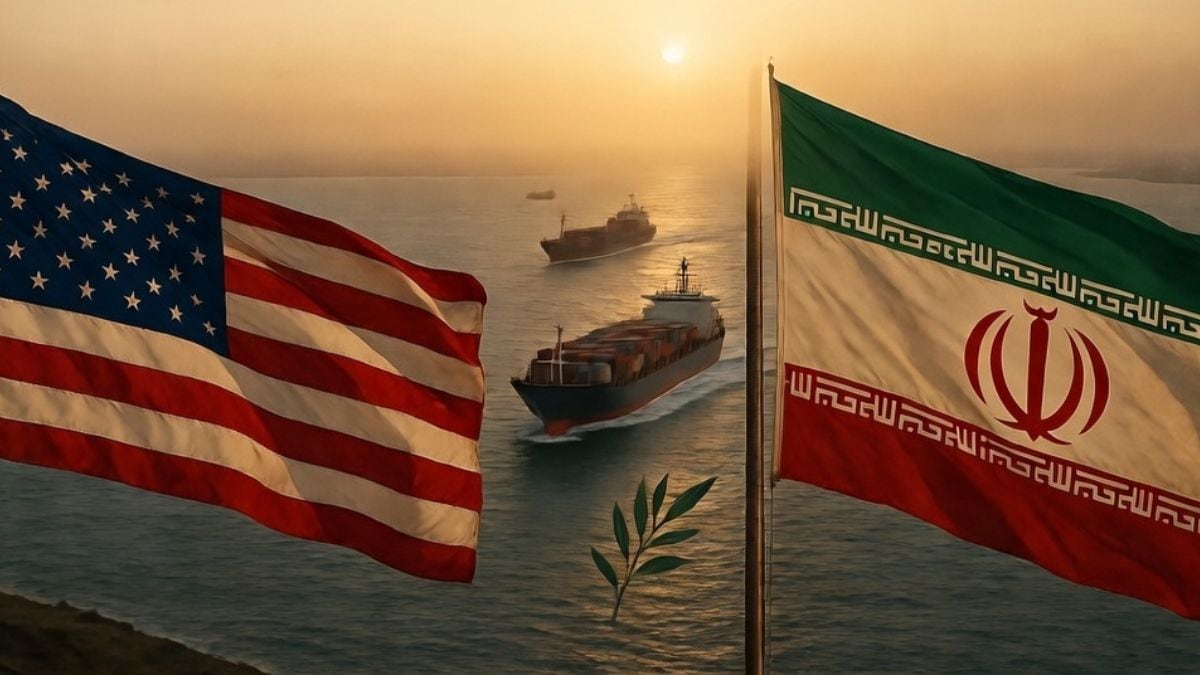
Analysts suggest that the disputes are exacerbated by domestic political pressures in both Washington and Tehran. In the United States, any deal must withstand intense scrutiny from Congress and address concerns regarding Iran’s support for regional militant groups. In Iran, the government must balance the need for economic relief with the necessity of maintaining its revolutionary principles and regional influence.
The lack of a finalized, binding treaty means that any perceived imbalance in the negotiations can lead to an immediate breakdown in communication. Without a clear roadmap for how the “foundations” translate into policy, the parties remain stuck in a pattern of optimistic reporting followed by rapid diplomatic cooling.
| Aspect of Negotiation | Reported Progress | Reported Friction |
|---|---|---|
| Core Objective | Establishing foundations for a permanent peace deal. | Disagreements over implementation and specific terms. |
| Sanctions/Economy | Agreement on the framework for sanctions relief. | Disputes over the timing and scale of relief. |
| Security Framework | Initial consensus on nuclear oversight protocols. | Conflicts over verification and regional military activity. |
How is the conflict affecting Israel and Lebanon?
The volatility of the US-Iran relationship is directly mirrored in the military situation in the Levant. As diplomatic efforts fluctuate, the security situation on the Israel-Lebanon border remains highly unstable. Israeli Prime Minister Benjamin Netanyahu has maintained a firm stance on the necessity of military action to ensure national security.
Netanyahu has stated that the Israeli military will continue to remain in Lebanon to “neutralize” threats against the country. This policy is driven by the need to prevent militant groups, often supported by Iran, from establishing a permanent military infrastructure near the Israeli border. The presence of Israeli forces in southern Lebanon is a direct response to the ongoing threat of rocket fire and cross-border incursions.
The intersection of US-Iran diplomacy and the Israel-Lebanon conflict creates a complex feedback loop. A successful, even if temporary, diplomatic breakthrough between the US and Iran could theoretically lower the intensity of proxy conflicts. Conversely, any breakdown in negotiations often leads to increased military activity in Lebanon, as regional actors test the limits of the current security environment.
What is the economic impact on global oil markets?
The instability in the Middle East poses a direct threat to global energy security, specifically regarding the flow of oil through the Strait of Hormuz. This narrow waterway is one of the world’s most critical maritime chokepoints, through which a significant percentage of the global daily oil supply passes.

Current reports indicate that oil transport through the Strait of Hormuz is at its highest level since the beginning of the Iran-Iraq War. This high volume of traffic underscores the economic stakes involved in any regional escalation. If tensions between the US and Iran escalate into direct maritime conflict or if the Strait is obstructed, the impact on global oil prices would be immediate and severe.
The high level of transport activity also means that the global economy is highly sensitive to any disruption in this corridor. Energy markets react sharply to news regarding US-Iran negotiations, as traders weigh the possibility of increased supply through sanctions relief against the risk of supply disruptions caused by military tension. The volatility in the Strait of Hormuz serves as a constant reminder of the link between Middle Eastern diplomacy and global economic stability.
The current situation remains fluid. Diplomatic observers are closely monitoring the next round of communications between Washington and Tehran to see if the reported “foundations” can be solidified into a functional agreement or if the current disputes will lead to a complete cessation of talks. Updates on the status of nuclear inspections and maritime security in the Strait of Hormuz will be essential indicators of the negotiations’ direction.
Please share your thoughts on these developments in the comments below and share this article with your network to keep the discussion going.