
Diplomatic efforts to bridge the long-standing divide between Washington and Tehran have reached a critical juncture as high-level US-Iran talks in Islamabad commence. The meetings, hosted by Pakistan, represent a rare and high-stakes attempt to establish a direct line of communication between two nations that have not shared formal diplomatic ties for over four decades.
At the heart of these deliberations is a proposed framework introduced by Tehran, reportedly referred to as the “Pattina” (or “Pattina-style”) plan. While the specific technicalities of the proposal remain closely guarded by the respective delegations, the objective is clear: to create a sustainable roadmap for sanctions relief and a stabilized security architecture in the Middle East. The choice of Islamabad as a neutral ground underscores Pakistan’s evolving role as a regional mediator, capable of hosting adversaries under a strict security umbrella.
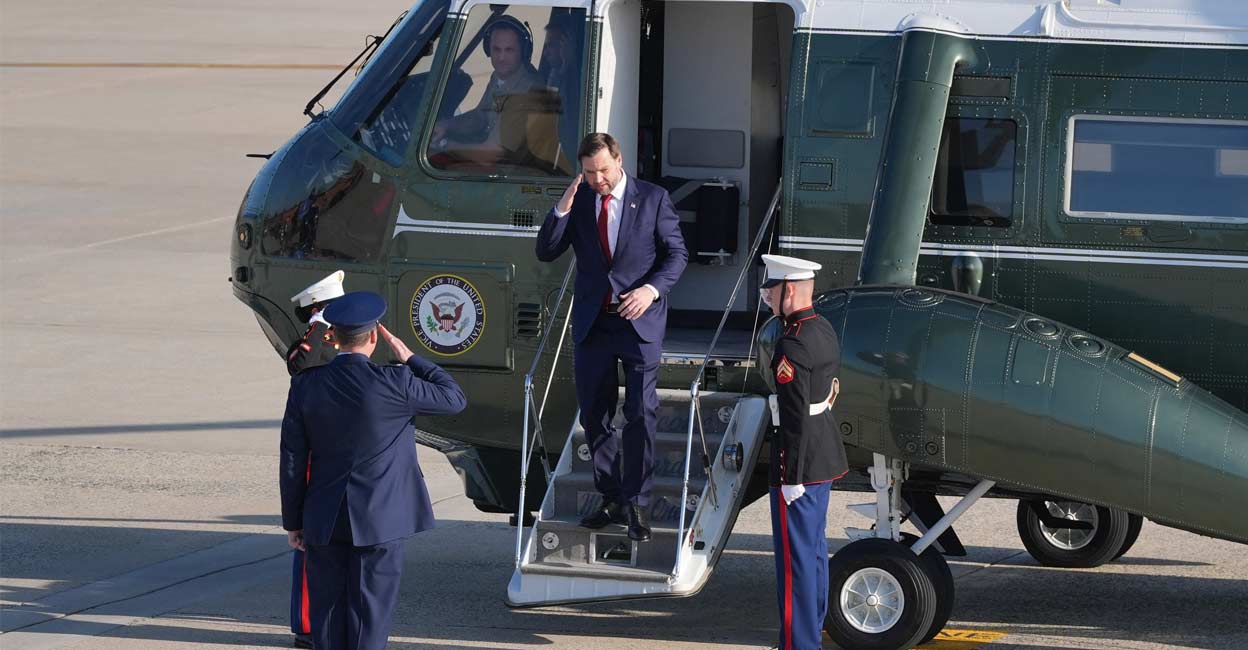
The arrival of the American delegation, which includes key figures associated with the incoming administration’s foreign policy approach, has already triggered significant logistical shifts in the Pakistani capital. Reports indicate that local authorities in Islamabad have implemented temporary regional holidays and heightened security protocols to facilitate the movement of the diplomatic parties, reflecting the sensitivity of the summit.
For the global community, the outcome of these talks carries immense weight. From the stability of the Strait of Hormuz to the proliferation of nuclear capabilities and the ongoing volatility in Gaza and Lebanon, the trajectory of US-Iran relations often dictates the temperature of global geopolitics. The success of this mission depends not only on the willingness of both capitals to compromise but also on the ability of the mediators to ensure that the “Pattina” plan addresses the core security concerns of both the West and the Islamic Republic.
The Strategic Role of Pakistan and the ‘Iron Escort’
Pakistan’s role in these negotiations is more than merely providing a venue. By facilitating the US-Iran talks in Islamabad, the Pakistani government is attempting to pivot its foreign policy toward “regional connectivity” and conflict resolution. The level of security provided to the visiting delegations—described by some local reports as an “iron escort”—highlights the extreme precautions taken to prevent any security breaches that could derail the fragile diplomatic process.
The logistics of the meeting involve a complex coordination of airspace and ground movement. The American delegation’s arrival was met with a high-security detail, while the Iranian contingent’s entry was managed through a coordinated protocol designed to avoid public friction. This level of orchestration suggests that the talks are not merely exploratory but are intended to move toward a concrete agreement or a formal memorandum of understanding.
Observers note that China has likely played a behind-the-scenes role in encouraging this dialogue. Given Beijing’s deep economic ties with Iran and its strategic partnership with Pakistan, a stabilized Middle East serves Chinese interests by securing energy corridors and reducing the likelihood of large-scale regional warfare that could disrupt global trade.
Decoding the ‘Pattina’ Plan: A Path to De-escalation?
The central pillar of the current negotiations is the Iranian-led proposal. While the term “Pattina” is being used in regional reporting to describe the framework, it essentially represents a phased approach to normalization. In the world of international relations, such frameworks typically involve a “step-for-step” mechanism: Iran provides verifiable concessions regarding its nuclear program or regional proxies and in exchange, the United States provides incremental sanctions relief.
Key areas expected to be on the table include:
- Sanctions Relief: The lifting of specific sectoral sanctions on oil and petrochemical exports to stabilize the Iranian economy.
- Nuclear Oversight: Renewed commitments to the International Atomic Energy Agency (IAEA) to ensure the civilian nature of Iran’s nuclear activities.
- Regional Security: Discussions on reducing the influence of paramilitary groups in Iraq and Syria to prevent accidental escalations.
- Prisoner Exchanges: The potential release of dual nationals and political prisoners as a gesture of good faith.
The challenge for the U.S. Delegation is to ensure that any agreement is “verifiable, and enforceable.” The memory of the 2018 withdrawal from the Joint Comprehensive Plan of Action (JCPOA) looms large over these talks, and Tehran is likely seeking guarantees that any modern deal will not be unilaterally discarded by a future administration.
Why This Matters for Global Stability
The geopolitical stakes of these talks extend far beyond the borders of Iran and the United States. A breakthrough in Islamabad could lead to a significant cooling of tensions in the Persian Gulf, which handles a vast percentage of the world’s maritime oil trade. Any flare-up in this region typically leads to a spike in global energy prices, impacting everything from transportation costs to food security in developing nations.
the “axis of resistance”—the network of allies and proxies Iran supports—often reacts to the diplomatic temperature between Tehran and Washington. A formal de-escalation could potentially reduce the intensity of conflicts in Yemen and Lebanon, providing a window for diplomatic solutions to the broader crises affecting the Levant.
The Risks of Diplomatic Failure
Despite the optimism surrounding the meetings, the road to a deal is fraught with obstacles. Domestically, both governments face internal pressures. In the U.S., any perceived “weakness” in negotiations with Iran is often met with fierce political opposition. In Iran, the hardline factions within the government may view any concession as a surrender to “Western imperialism.”
There is also the risk of miscalculation. If the talks collapse without a clear path forward, it could lead to a renewed cycle of sanctions and retaliatory strikes. The high visibility of the Islamabad summit increases the cost of failure; a public breakdown in negotiations could harden positions on both sides, making future dialogue even more difficult.
Analysts suggest that the “Pattina” plan’s success depends on whether the U.S. Is willing to accept a “normalized” relationship with Iran—one that does not require a total change in the Iranian political system but focuses instead on pragmatic security arrangements and economic stabilization.
Key Takeaways from the Islamabad Summit
- Neutral Ground: Pakistan is leveraging its unique position to act as a bridge between the U.S. And Iran.
- Iranian Initiative: The talks are centered on a proposal from Tehran aimed at phased de-escalation and sanctions relief.
- Security Priority: The extreme security measures in Islamabad indicate the high sensitivity and perceived importance of the mission.
- Global Impact: A successful outcome could stabilize oil markets and reduce regional volatility in the Middle East.
- Verification Hurdle: The primary sticking point remains the balance between Iranian demands for sanctions relief and U.S. Demands for verifiable nuclear compliance.
As the delegations continue their sessions, the world watches for any sign of a joint statement or a roadmap for future meetings. The next critical checkpoint will be the concluding press briefings from both the U.S. And Iranian delegations upon their departure from Islamabad, which will reveal whether the “Pattina” plan has moved from a proposal to a working agreement.
World Today Journal encourages readers to share this report and join the conversation in the comments below: Do you believe a phased diplomatic approach can permanently resolve the US-Iran deadlock?