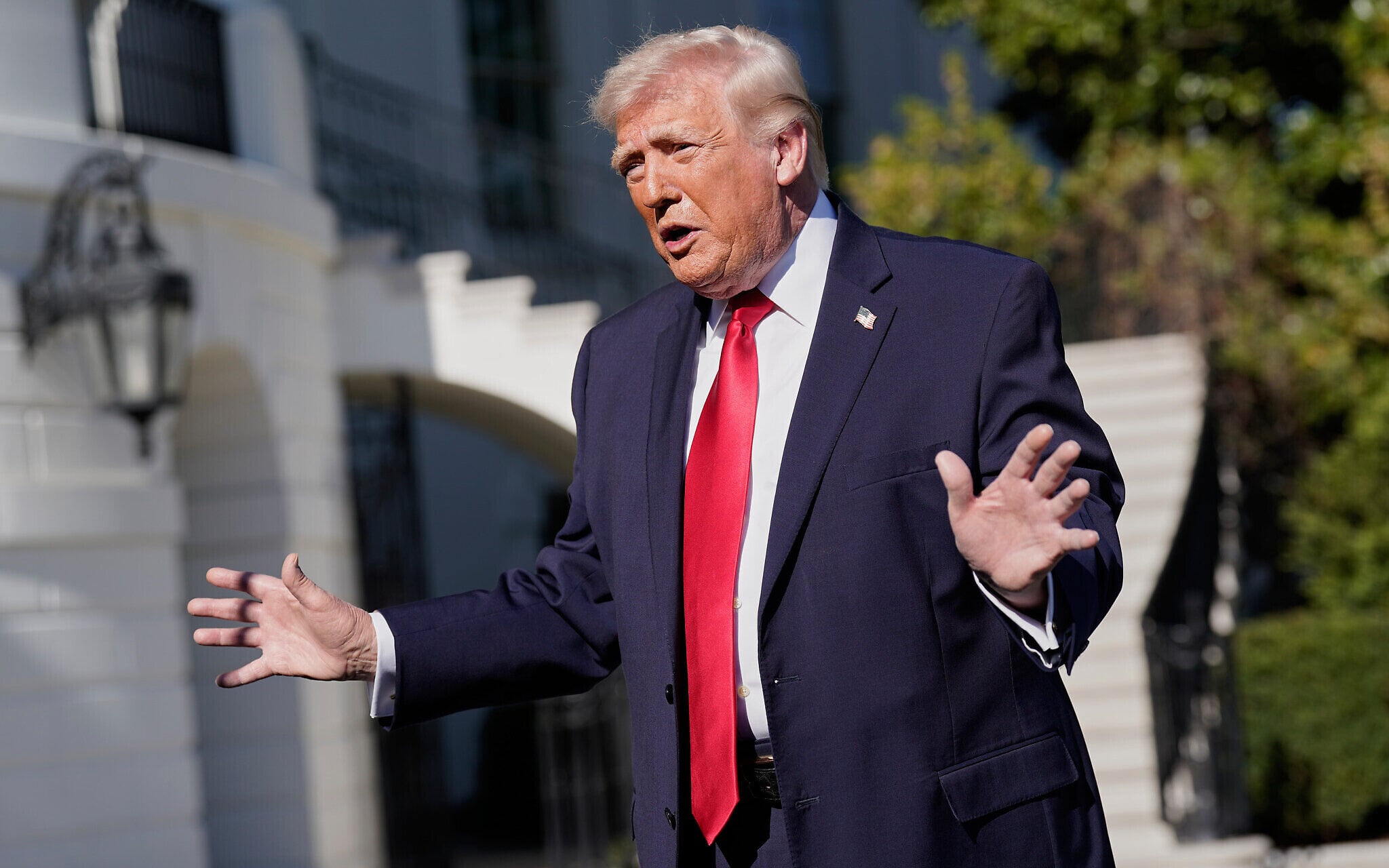
In a diplomatic gamble that has captured the attention of the global community, high-level representatives from the United States and Iran have convened in Islamabad for a series of face-to-face negotiations. These talks, the first direct diplomatic engagement between the two nations in 47 years, represent a fragile attempt to finish a conflict that has destabilized the Middle East and threatened global energy markets since late February.
The US-Iran peace talks in Pakistan began on Saturday, April 11, 2026, following a two-week ceasefire brokered by Pakistan Prime Minister Shehbaz Sharif. The negotiations are taking place against a backdrop of significant regional volatility, as both nations seek a permanent resolution to a war that has already claimed thousands of lives and disrupted critical shipping lanes in the Persian Gulf.
Leading the American delegation is Vice President JD Vance, accompanied by special envoy Steve Witkoff and Jared Kushner. The Iranian delegation is headed by Parliament Speaker Mohammad Bagher Qalibaf, with Foreign Minister Seyed Abbas Araghchi also in attendance. The meetings, hosted by Prime Minister Sharif, are designed to test whether the current ceasefire can be shored up to pave the way for a lasting peace agreement according to reports from the Associated Press.
The Path to Islamabad: A Conflict of High Stakes
The current diplomatic push follows more than a month of intense warfare that began in late February 2026, when the United States and Israel launched coordinated strikes on Iranian territory. The ensuing conflict has had a devastating human toll. Reports indicate that at least 13 U.S. Service members have been killed and hundreds more injured as detailed by USA Today.
The impact within Iran has been even more severe. A top Iranian medical official cited by FOX News reported that more than 3,000 people have been killed in Iran, while other estimates suggest that the broader conflict has killed approximately 5,000 people across a dozen nations, including more than 1,600 civilians within Iran according to The Independent.
For Pakistan, brokering this truce marks a significant diplomatic achievement. Prime Minister Shehbaz Sharif’s role in facilitating the “Islamabad Talks” has been viewed by analysts as a strategic use of “flattery as foreign policy,” providing an off-ramp for both Washington and Tehran to claim victory while avoiding a total regional collapse. The ceasefire was announced just 90 minutes before a deadline on a threat by President Donald Trump to “wipe out a whole civilization,” bringing a sudden halt to weeks of brinkmanship.
Core Points of Contention and Diplomatic Hurdles
Despite the historic nature of the meetings, the negotiations face steep hurdles. The primary points of contention revolve around regional security, economic sanctions and the role of Iranian allies in the Levant.
A central flashpoint is the Strait of Hormuz, the narrow waterway through which a vast portion of the world’s oil commerce flows. On Saturday, President Donald Trump stated via social media that the U.S. Is “clearing out” the Strait, a move that highlights the continued military tension even as diplomats meet in Islamabad per USA Today. Control and safety of traffic through this channel remain key demands in the ceasefire negotiations.
Iran has set strict conditions before it considers the negotiations a success. Speaker Mohammad Bagher Qalibaf stated on Friday that two critical measures must be fulfilled: the implementation of a ceasefire in Lebanon and the release of Iran’s blocked assets. Iran’s ally, Hezbollah, continues to face heavy bombardments from Israel in southern Lebanon, and Tehran is insisting that any peace deal with the U.S. Must include a cessation of hostilities in that theater.
The demand for the unfreezing of sanctioned Iranian assets remains a non-negotiable priority for the Iranian delegation. These assets, held in various global accounts, are seen by Tehran as a prerequisite for any permanent peace agreement.
Trump’s Stance and the ‘Victory’ Narrative
The political framing of these talks differs sharply between the two capitals. In Washington, the administration has emphasized the strength of its position following the February strikes. While the U.S. Delegation continues to negotiate, some reports suggest a level of indifference toward the finality of a deal, with claims emerging that President Trump believes Washington has already achieved its primary objectives regardless of the outcome in Pakistan.
Iranian media has characterized this fresh round of negotiations as a “last opportunity” to find common ground. This suggests a growing urgency in Tehran to secure economic relief and regional stability before the fragile ceasefire collapses. The contrast between the U.S. Insistence on its “victory” and Iran’s push for a “last chance” agreement creates a complex psychological dynamic at the negotiating table.
Key Takeaways of the Islamabad Negotiations
- Historic Engagement: First direct face-to-face talks between the U.S. And Iran in 47 years.
- Human Cost: Estimated 5,000 deaths globally, including 3,000+ in Iran and 13 U.S. Service members.
- Critical Demands: Iran seeks the unfreezing of sanctioned assets and a ceasefire in Lebanon.
- Strategic Chokepoints: The U.S. Continues military operations to “clear out” the Strait of Hormuz.
- Mediator Role: Pakistan has emerged as the primary peacemaker, hosting the “Islamabad Talks.”
What Happens Next?
The success of the current round of talks depends on whether the U.S. Is willing to concede on the issue of frozen assets and whether it can influence Israeli military actions in Lebanon to satisfy Iranian demands. With the ceasefire remaining fragile and Israel and Hezbollah continuing to trade fire along the southern Lebanon border, the window for a permanent deal is narrow.
The international community is now watching for the next official update from the White House or the Pakistani government regarding the progress of the Vance-Qalibaf meetings. The primary checkpoint will be the expiration of the current two-week ceasefire period, at which point the parties must either announce a permanent peace treaty or face a potential return to open hostilities.
World Today Journal will continue to monitor these developments. We invite our readers to share their perspectives on the geopolitical implications of these talks in the comments section below.
Related reading