
US envoys and Iranian negotiators are scheduled to begin diplomatic talks in Switzerland this Sunday to address regional security and maritime tensions. The negotiations occur alongside a 60-day ultimatum from the Trump administration concerning the Strait of Hormuz, where the threat of maritime tolls has been raised if a final deal is not reached.
Diplomatic sources indicate that the meetings in Switzerland aim to establish a framework for de-escalation between the two nations. The arrival of high-level US envoys and the movement of Iranian representatives toward Swiss soil signal a concentrated effort to address long-standing grievances, though the atmosphere remains heavily influenced by recent regional conflicts and specific maritime threats.
What is the goal of the US-Iran talks in Switzerland?
The primary objective of the upcoming discussions is to negotiate terms that could stabilize the volatile relationship between Washington and Tehran. While the specific agenda remains largely confidential, reports suggest the talks will focus on regional security, nuclear-related concerns, and the lifting or modification of economic sanctions. The timing of these meetings is critical, as they coincide with a period of heightened tension across the Middle East.
Negotiators are expected to address the immediate need for a ceasefire or a reduction in hostilities in surrounding regions. The presence of US envoys in Switzerland suggests a push for a structured agreement that could provide more certainty for global markets. However, the success of these talks depends on whether both parties are willing to move beyond previous diplomatic stalemates.
Switzerland has historically served as a neutral venue for such high-stakes diplomacy. The country often acts as a “protecting power,” facilitating communication when direct diplomatic ties are severed. This role is expected to continue as both US and Iranian delegations utilize Swiss territory to conduct sensitive discussions away from the scrutiny of their respective domestic political pressures.
How does the 60-day deadline impact maritime security?
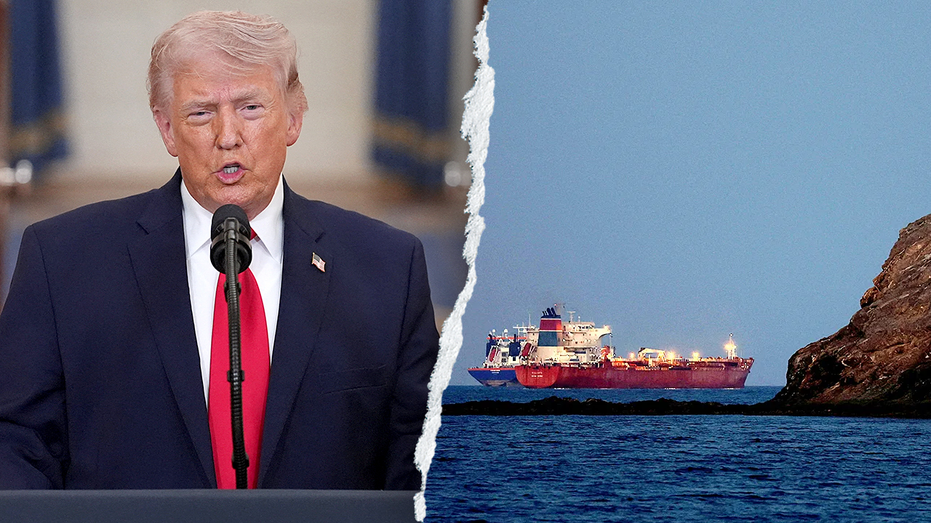
A central component of the current diplomatic landscape is a 60-day window established by the Trump administration. Officials have indicated that if a final agreement regarding Iran is not reached within this timeframe, the United States may implement new policies in the Strait of Hormuz. This ultimatum has introduced a significant element of coercive diplomacy into the negotiation process.
The administration has specifically threatened to charge US tolls in the Strait of Hormuz if the negotiations fail to produce a definitive result. Such a move would represent a radical departure from established maritime norms and international law regarding the freedom of navigation. The threat has created a sense of urgency for the negotiators arriving in Switzerland this Sunday, as the clock is effectively running on a potential shift in how the US manages this critical waterway.
The implications of this 60-day deadline extend beyond diplomacy into the realm of global energy security. Because the Strait of Hormuz is a primary artery for the world’s oil supply, any change in its management or the introduction of “tolls” could lead to immediate volatility in global petroleum prices. Market analysts are closely monitoring the negotiations to determine if the deadline will act as a catalyst for a deal or a trigger for increased maritime tension.
Why is the Strait of Hormuz a central issue in these negotiations?
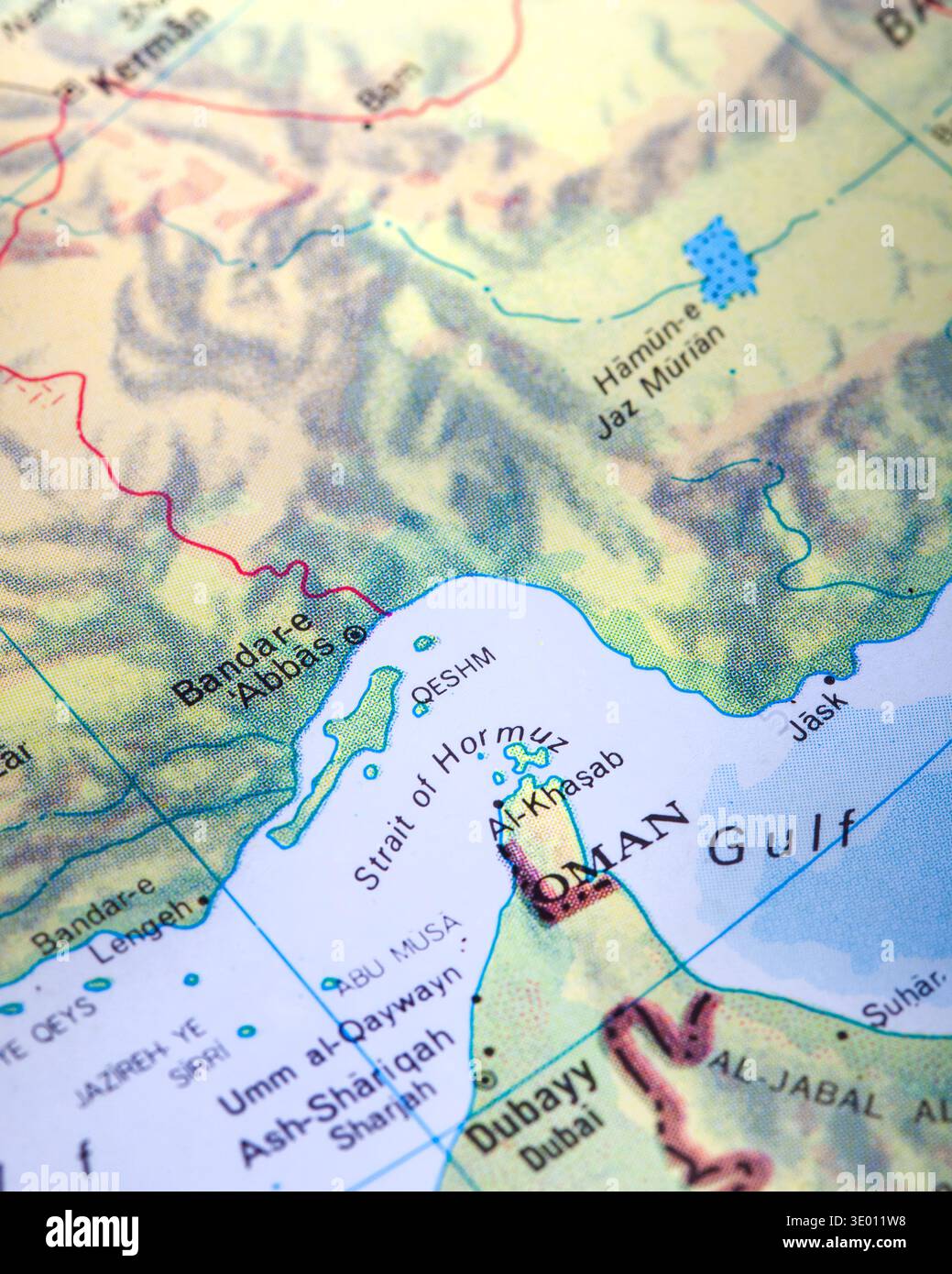
The Strait of Hormuz serves as a strategic chokepoint, connecting the Persian Gulf with the Gulf of Oman and the Arabian Sea. It is one of the most important maritime passages in the world, through which a significant portion of the global oil supply passes daily. Any disruption in this narrow waterway has immediate and profound effects on international trade and energy costs.
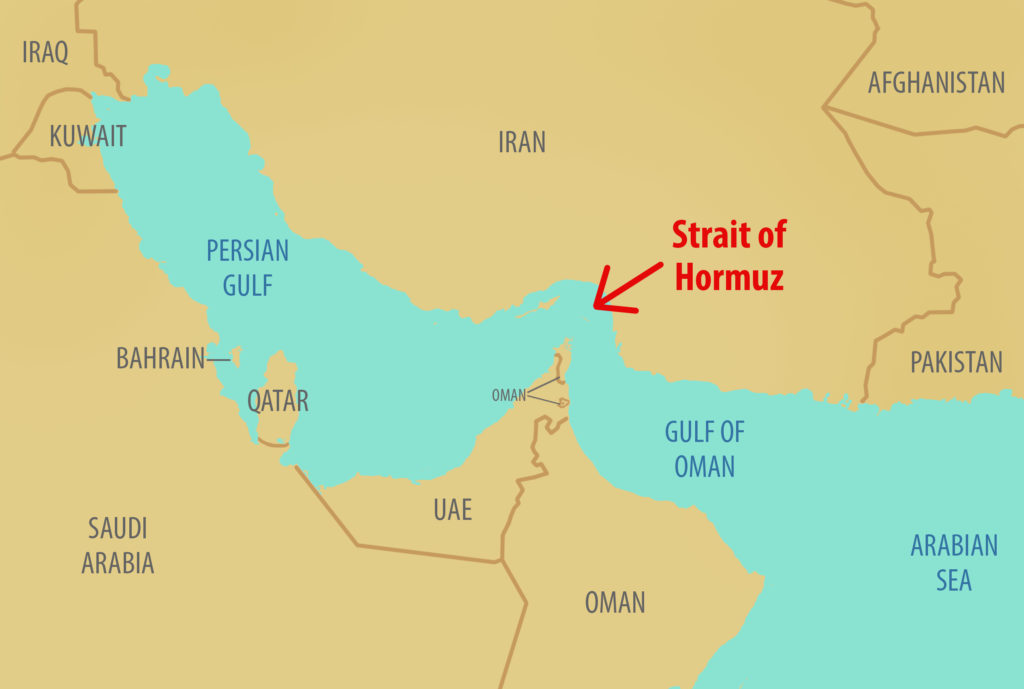
The current focus on the Strait is driven by the dual concerns of maritime security and economic leverage. For the United States, maintaining the freedom of navigation is a core strategic interest. For Iran, the Strait is a significant point of leverage in its broader geopolitical negotiations. The recent discussions regarding possible tolls highlight how the physical control and legal status of this waterway are being used as bargaining chips in the broader US-Iran dialogue.
The status of the Strait remains unclear as envoys arrive in Switzerland. The uncertainty is compounded by the potential for rapid escalation if the 60-day deadline passes without a resolution. If the US moves to implement new fee structures or increased naval presence to enforce its terms, the risk of a direct confrontation in the Strait increases significantly.
What regional conflicts are complicating the diplomatic process?
The negotiations in Switzerland do not take place in a vacuum. Ongoing fighting in Lebanon continues to cast a shadow over the diplomatic efforts, complicating the ability of negotiators to focus solely on the US-Iran relationship. The conflict in Lebanon is viewed by many analysts as a regional proxy struggle that is inextricably linked to the broader tensions involving Iran and its allies.
The volatility in Lebanon creates a high-pressure environment for the Swiss talks. If hostilities in Lebanon escalate, it may become increasingly difficult for the US and Iran to reach a consensus on other issues, such as maritime security or nuclear restrictions. The interconnectedness of Middle Eastern security means that a breakthrough in Switzerland could theoretically lead to a de-escalation in Lebanon, or conversely, a failure in the talks could exacerbate the fighting.
Diplomatic officials are attempting to navigate these overlapping crises. The challenge lies in decoupling the specific US-Iran negotiations from the broader regional violence to find a path toward stability. However, the reality of current geopolitical dynamics suggests that the outcomes of the Swiss talks will likely have ripple effects across the entire Middle East.
Comparison of Diplomatic Approaches
| Feature | Previous Frameworks (e.g., JCPOA) | Current Approach (2025) |
|---|---|---|
| Primary Mechanism | Multilateral agreements and nuclear monitoring. | Direct bilateral negotiations with strict deadlines. |
| Key Lever | Sanctions relief in exchange for compliance. | Maritime security and Strait of Hormuz mandates. |
| Diplomatic Tone | Emphasis on long-term multilateralism. | Emphasis on rapid results and economic ultimatums. |
| Venue Focus | Vienna/International forums. | Swiss-mediated direct envoy meetings. |
What happens next in the negotiation timeline?
The immediate focus remains on the commencement of talks this Sunday. Following the initial sessions, the international community will be looking for signals of progress, such as the establishment of a technical working group or a temporary freeze on certain maritime activities. The arrival of US envoys marks the beginning of a high-stakes period of engagement that will test the efficacy of the current administration’s “deadline-driven” diplomacy.
The next major checkpoint will be the expiration of the 60-day window. This deadline serves as a hard boundary for the current diplomatic strategy. If no deal is reached by that time, the administration’s stated intention to move toward new policies in the Strait of Hormuz will become the central focus of global security concerns.
Observers will also be watching for any official statements from Tehran regarding their willingness to engage with the US envoys on the specific issue of maritime tolls. The ability of both sides to separate economic threats from diplomatic concessions will likely determine whether these talks lead to a lasting settlement or an escalation of the existing crisis.
Next Scheduled Action: The formal commencement of US-Iran diplomatic sessions in Switzerland is set for Sunday. Official updates are expected following the first round of closed-door meetings.
We encourage you to share this report and leave your comments below regarding the implications of these talks for global energy security.
Keep reading