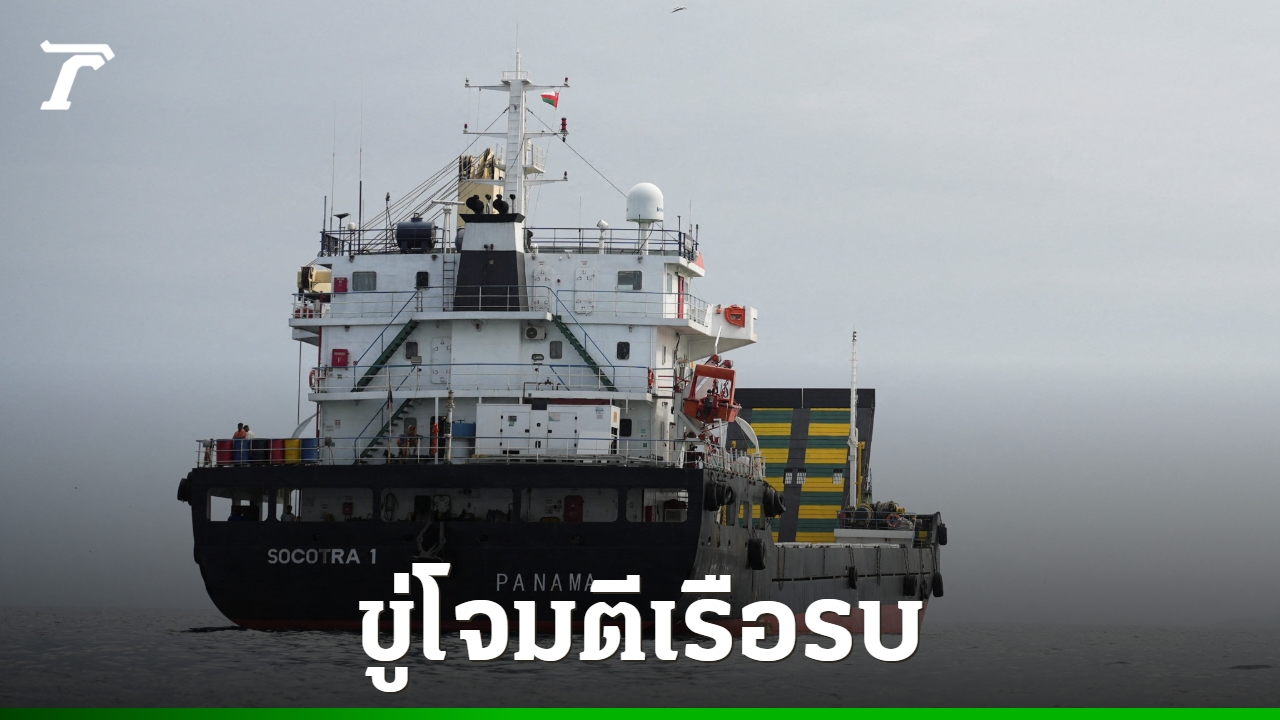
The Persian Gulf is facing a critical escalation as the Iranian military has issued a severe warning to all foreign warships operating near the Strait of Hormuz. This latest development adds significant volatility to already strained Strait of Hormuz tensions, with Tehran threatening “violent retaliation” against any naval vessels deemed to be infringing upon its maritime boundaries.
The warning comes amidst a chaotic diplomatic backdrop where the United States and Iran are oscillating between the brink of open conflict and the possibility of renewed dialogue. While military postures have hardened on the water, reports indicate a complex struggle within diplomatic channels to prevent a total collapse of regional stability.
The current standoff is characterized by contradictory signals. On one hand, the Islamic Revolutionary Guard Corps (IRGC) has asserted that the presence of foreign warships constitutes a direct violation of existing ceasefire agreements. On the other, the U.S. Administration has taken aggressive steps to secure the waterway, including the announcement of a naval blockade and the commencement of operations to destroy naval mines to ensure maritime transit.
Naval Confrontation and the Blockade
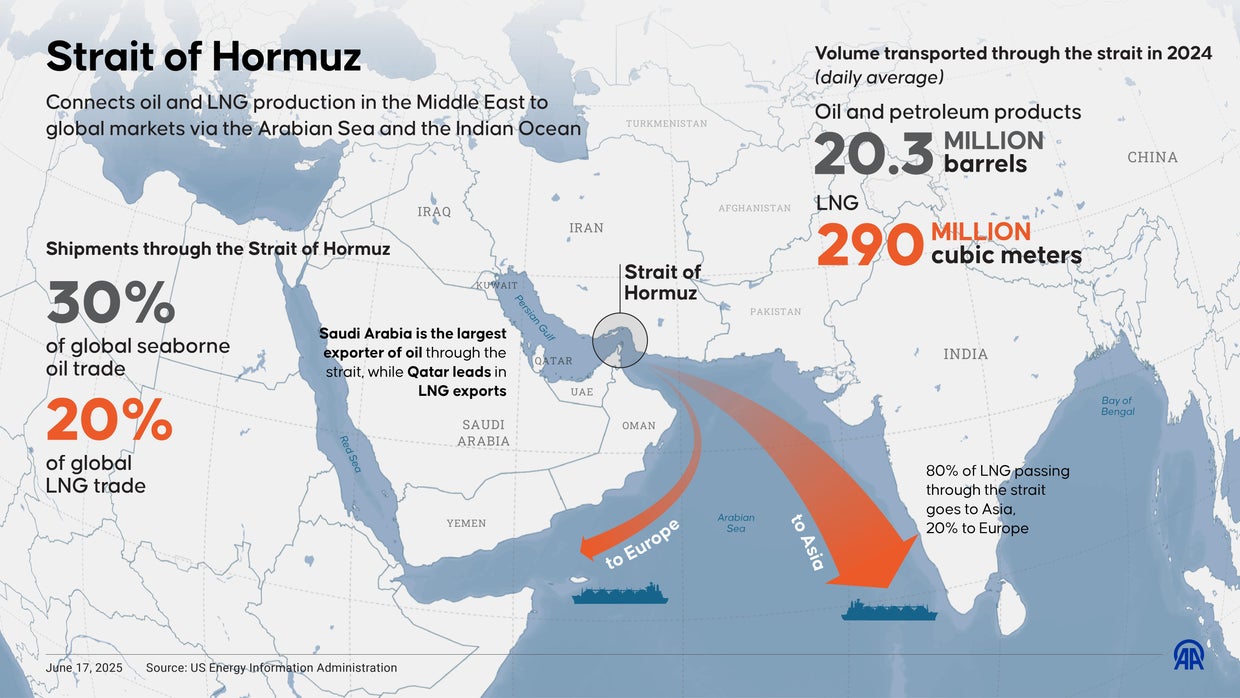
The Strait of Hormuz remains one of the world’s most vital maritime chokepoints, and any disruption to these shipping lanes has immediate global implications. The IRGC’s recent rhetoric suggests a zero-tolerance policy toward foreign naval activity, framing any intrusion as a breach of peace. This aggressive stance is a direct response to the U.S. Decision to implement a blockade of the strait, a move intended to exert maximum pressure on Tehran.
The U.S. Operation to clear mines from the waterway is seen as a necessary step for maritime security, but Tehran views it as a provocative act. This clash of narratives—security versus sovereignty—has created a high-risk environment where a single tactical miscalculation could trigger a wider Middle East conflict. The threat of naval retaliation remains the primary deterrent and the primary danger in the region.
The Collapse of Historic Peace Efforts
Behind the military posturing, the diplomatic effort to stabilize the region has suffered a major setback. JD Vance has revealed that a series of historic peace negotiations with Iran have failed to reach a resolution and ended without a conclusion. These talks, which were viewed as a potential turning point in U.S.-Iran relations, were unable to bridge the gap between the two nations’ core demands.
Further complicating the diplomatic stalemate is the revelation from the White House regarding failed negotiations in Pakistan. According to official statements, the U.S. Presented a set of proposals that Iran ultimately rejected. While the specific details of these proposals remain sensitive, the refusal suggests that Tehran is not yet ready to concede on key strategic or nuclear points in exchange for sanctions relief or security guarantees.
Despite these failures, the door to diplomacy has not been completely shut. There are indications that a new round of negotiations between the United States and Iran could be convened within a matter of days as efforts to restart dialogue continue. This potential for a sudden shift from military threats to diplomatic talks is a hallmark of the current geopolitical instability in the region.
Global Economic Shockwaves and Market Volatility
The uncertainty surrounding the Strait of Hormuz tensions has sent ripples through global financial markets, particularly in Asia. Investors have reacted sharply to news regarding ceasefire deadlines and the potential for a renewed conflict. The sensitivity of global oil markets to any disruption in the Persian Gulf means that naval movements in the strait are closely watched by traders worldwide.
Recent market activity shows a volatile pattern. Asian indices, including the Nikkei and KOSPI, have seen significant swings, surging on news of potential ceasefires but remaining cautious as deadlines approach reflecting the market’s sensitivity to U.S.-Iran news. This correlation highlights how regional maritime security is inextricably linked to global economic health.
Summary of Current Status
| Stakeholder | Current Action/Position | Primary Goal |
|---|---|---|
| IRGC (Iran) | Warning of violent retaliation against warships | Prevent “ceasefire violations” and foreign naval presence |
| U.S. Administration | Implementing naval blockade and mine clearing | Secure shipping lanes and pressure Tehran |
| Diplomatic Channels | Failed Pakistan talks; potential new rounds soon | Avoid full-scale war through a negotiated settlement |
| Global Markets | High volatility in Asian stock indices | Stability in oil transit and regional peace |
As the international community watches the Persian Gulf, the immediate focus remains on whether the threat of naval retaliation will lead to an actual engagement or if the looming possibility of new talks will provide a diplomatic exit ramp. The risk of escalation remains high, as both sides continue to project strength while privately weighing the costs of a wider war.
The next critical checkpoint will be the potential commencement of a new round of U.S.-Iran negotiations, expected to be determined within the coming days. We will continue to monitor official announcements from the White House and Tehran.
Do you believe diplomatic negotiations can resolve the current maritime standoff, or is a military solution inevitable? Share your perspective in the comments below.
Related reading
- USA vs Canada: From Neighbors to Rivals Explained
- All Arriving Flights Diverted and International Departures Suspended Amid Airport Disruption
- Crude Oil Prices Plunge Over 5 Percent Amid US-Iran Diplomacy and Middle East Tensions (world-today-news.com)
- US and Qatar Report Progress on Iran Ceasefire and Hormuz Strait Reopening (time.news)