
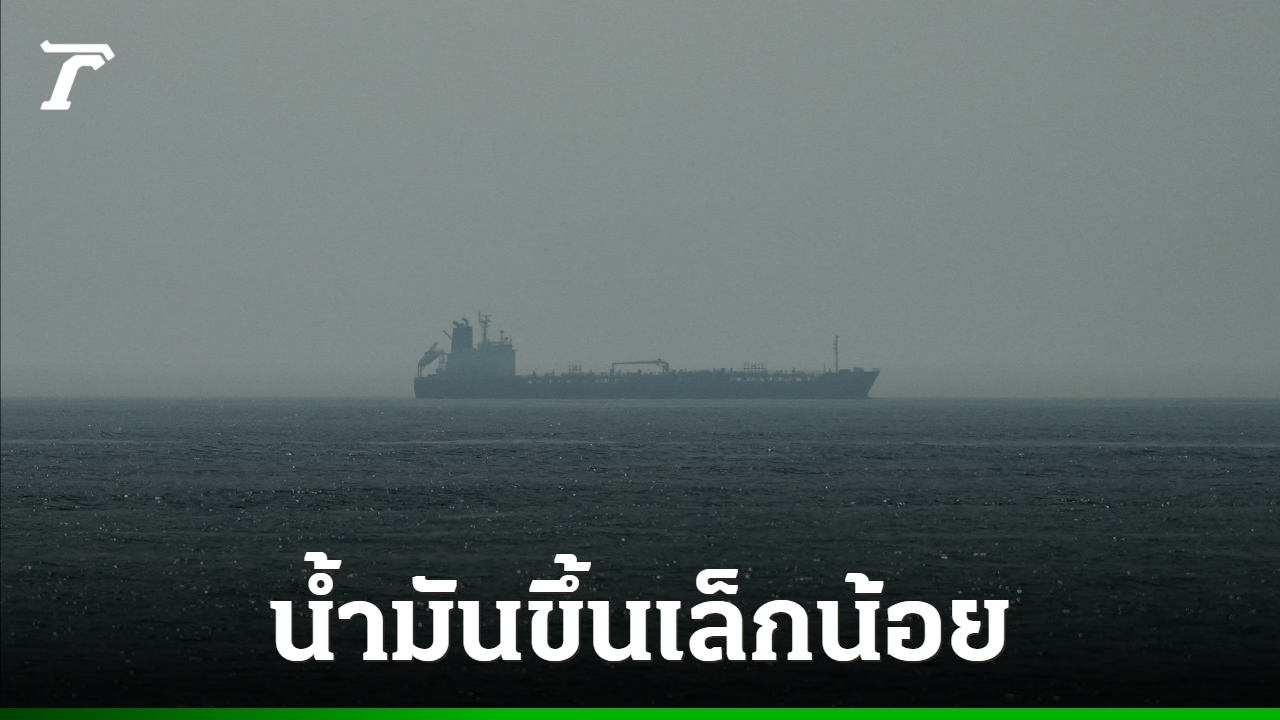
Oil prices rose sharply this week as the U.S. and Iran engaged in a new round of indirect military strikes, raising fears of a wider regional conflict that could disrupt global energy supplies. The escalation—marked by attacks on shipping lanes and military bases—has sent markets on edge, with futures contracts climbing, according to data from the International Energy Agency (IEA). Analysts warn that the situation could further destabilize the already fragile Middle East, where tensions between Tehran and Washington have simmered for years.
In the latest development, Iran launched a series of missile and drone strikes against U.S. forces in Iraq and Syria on Sunday, marking the most significant escalation since the assassination of Iranian nuclear scientist Mohsen Fakhrizadeh in November 2020. The U.S. responded with airstrikes on Iranian-backed militias in eastern Syria, including positions linked to Kata’ib Hezbollah, a group designated as a terrorist organization by Washington.
The attacks have reignited concerns over the Strait of Hormuz, a critical chokepoint for global oil shipments. Iran has repeatedly threatened to restrict passage through the strait, a move that could trigger an immediate spike in oil prices and send shockwaves through global markets. Meanwhile, the U.S. has deployed additional naval assets to the region as a deterrent.
Why Are Tensions Flaring Now?
Experts point to a combination of factors driving the latest escalation. First, the collapse of indirect negotiations between the U.S. and Iran over the revival of the 2015 nuclear deal—known as the Joint Comprehensive Plan of Action (JCPOA)—has left both sides with few diplomatic avenues. The Biden administration has repeatedly called for de-escalation, but hardliners in Tehran and Washington have shown little willingness to compromise.

Second, the recent assassination of Fakhrizadeh, widely seen as Iran’s top nuclear scientist, has deepened mutual suspicions. While Iran has not directly accused the U.S. of involvement, Israeli officials have been linked to the operation, further complicating regional dynamics. Iran’s response—targeting U.S. bases in Iraq and Syria—was seen as a direct retaliation for perceived Western aggression.
Third, the rise of Iranian-backed militias in Iraq and Syria has created a proxy conflict that both the U.S. and Iran are reluctant to disengage from. These groups, including Kata’ib Hezbollah and Harakat Hezbollah al-Nujaba, have conducted numerous attacks on American forces in recent months, drawing the U.S. into a cycle of retaliatory strikes.
How Are Markets Reacting?
Global oil markets have already begun to reflect the heightened tensions. Brent crude futures, the benchmark for international prices, surged to a level not seen since October 2018, according to the London-based ICE Futures Europe. Analysts at Goldman Sachs warned that if the conflict intensifies, prices could climb even higher. Meanwhile, the U.S. dollar has strengthened against major currencies, including the euro and yen, as investors seek safe-haven assets. Stock markets in the Middle East have seen volatility, with the Tehran Stock Exchange suspending trading for two days this week amid the escalation.

For consumers, the immediate effect is higher fuel prices. In the U.S., gasoline prices have already risen in the past week, according to the American Automobile Association (AAA). In Europe, where diesel prices are particularly sensitive to geopolitical risks, drivers are facing further increases.
What Happens Next?
The next critical phase will depend on whether either side seeks to de-escalate or allow the situation to spiral further. The U.S. has signaled a preference for diplomatic solutions, with Secretary of State Antony Blinken stating that “the path to de-escalation remains open.” However, Iran has dismissed the idea of direct talks, insisting that any negotiations must come after the U.S. lifts sanctions and withdraws its military presence from the region.
In the short term, the focus will be on whether Iran and U.S. Central Command can avoid further direct engagements. Both sides have shown a willingness to engage in indirect strikes—such as targeting militias rather than each other’s forces—but the risk of miscalculation remains high. The Strait of Hormuz remains a particular flashpoint, with Iran’s recent announcement that it is preparing to impose “new rules” on shipping traffic through the waterway.
Regional allies are also watching closely. Saudi Arabia, which has historically relied on U.S. security guarantees, has called for restraint but has not ruled out increasing its own oil production to offset any supply disruptions. Meanwhile, China—Iran’s largest trading partner—has urged both sides to avoid actions that could destabilize the region.
Key Takeaways
- Oil prices are rising due to tensions between the U.S. and Iran.
- Indirect military strikes have escalated, with Iran targeting U.S. forces in Iraq and Syria and the U.S. responding against Iranian-backed militias.
- The Strait of Hormuz remains a critical risk, with Iran threatening to impose new shipping rules that could disrupt global oil flows.
- Diplomatic solutions appear unlikely in the near term, as both sides dig in on their positions.
- Consumers face higher fuel costs, with gasoline prices climbing in the U.S. and Europe.
The next major checkpoint will be this Friday, when the U.S. State Department is expected to release a statement on its response to Iran’s latest strikes. Additionally, the International Energy Agency (IEA) will hold an emergency meeting on Wednesday to assess the potential impact on global oil supplies.

As tensions continue to simmer, readers are encouraged to share their thoughts on how this escalation could affect global energy markets and regional stability. What steps should the international community take to prevent further conflict? Leave your comments below.