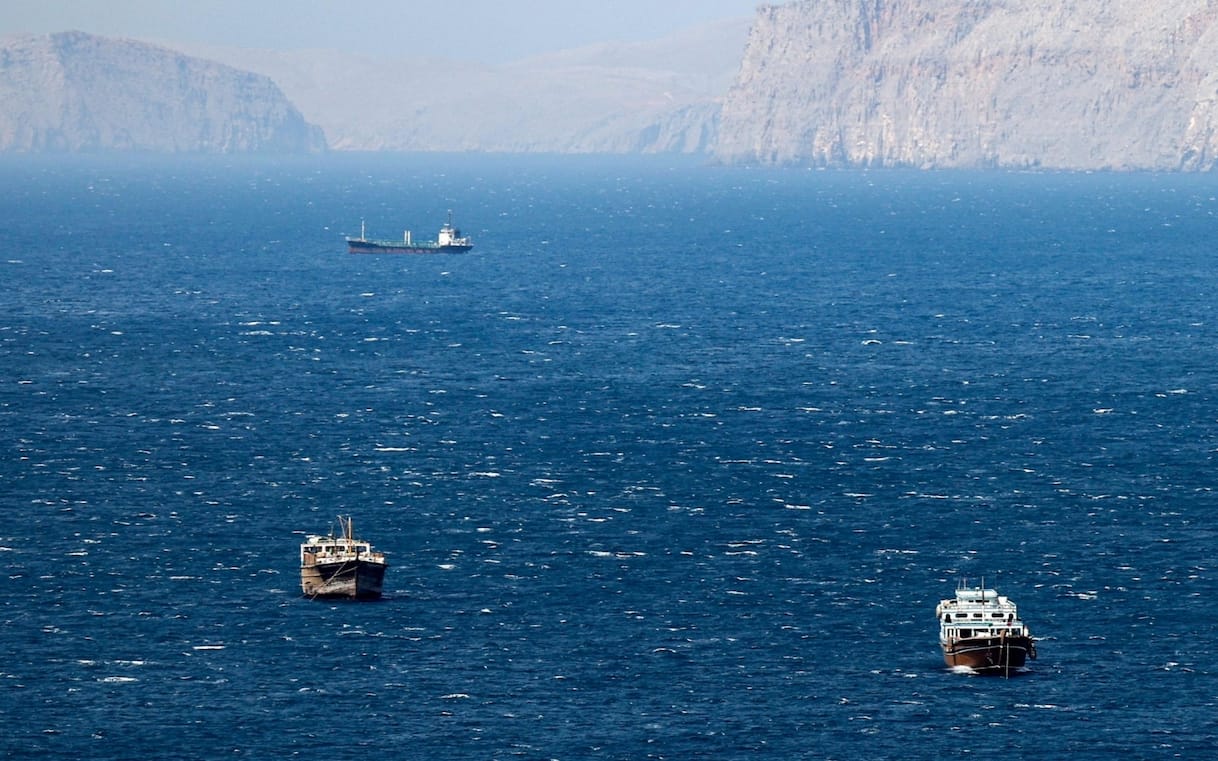
Diplomatic channels between the United States and Iran remain active through indirect talks in Doha, as international observers monitor potential shifts in regional stability. While reports indicate that discussions aimed at de-escalation are ongoing, the geopolitical climate remains sensitive, particularly concerning maritime security in the Strait of Hormuz and the broader implications of regional leadership transitions in Tehran.
The current diplomatic efforts coincide with a period of internal transition within the Islamic Republic of Iran. The nation has entered a period of mourning and preparation for upcoming electoral processes, as noted in official statements from Iranian state media. These domestic developments occur against a backdrop of long-standing tensions regarding the status of frozen assets and sanctions, which continue to serve as primary points of friction in indirect negotiations.
Status of Indirect Negotiations in Doha
Negotiations in Doha are characterized by indirect engagement, where intermediaries facilitate communication between the two parties. According to reports from regional diplomatic sources, the primary focus involves exploring frameworks to mitigate military escalation. However, the Iranian position remains contingent on specific economic demands, most notably the release of blocked financial assets that have been held under various international sanctions regimes.
The complexity of these talks is compounded by the “gray zone” environment identified by regional analysts. In maritime corridors such as the Strait of Hormuz, where a significant portion of the world’s oil supply transits, the risk of miscalculation remains a central concern for global energy markets and security planners.
Regional Implications and Political Shifts
Beyond the immediate U.S.-Iran dynamic, regional political landscapes are experiencing notable shifts. Reports indicate that Marwan Barghouti will run for the Palestinian presidency. Such developments add a layer of complexity to regional diplomacy, as the Palestinian question remains inextricably linked to the broader security architecture of the Middle East.
The international community is currently awaiting further updates regarding the transition of power in Tehran. The formal mourning period for Khamenei is being observed, and official state protocols are expected to dictate the timeline for the announcement of presidential candidates. Observers are tracking these events closely to determine how the new administration may alter Iran’s foreign policy trajectory.
The Role of Economic Sanctions and Asset Freezes
Economic policy remains a cornerstone of the current standoff. The Iranian government has signaled that progress in diplomatic talks is linked to the release of assets.

As of mid-2024, the effectiveness of these indirect Doha talks remains a subject of debate among international relations experts. While some diplomats characterize the ongoing communication as a positive step toward preventing a wider conflict, others highlight the persistent lack of trust between the two capitals. The divergence in perspectives underscores the difficulty of achieving a durable diplomatic breakthrough in an environment defined by deep-seated historical grievances and competing strategic interests.
Looking Ahead: Monitoring Official Updates
The next major checkpoint for observers will be the official announcement of candidates for the Iranian presidency, which is expected to clarify the direction of the country’s future internal and external policies. Furthermore, international maritime authorities continue to issue routine advisories for commercial vessels transiting the Persian Gulf, reflecting the ongoing state of high alert in the region.
For those tracking these developments, local developments in Iran are disseminated through their official state news outlets. We invite our readers to share their analysis or questions regarding these regional shifts in the comments section below.