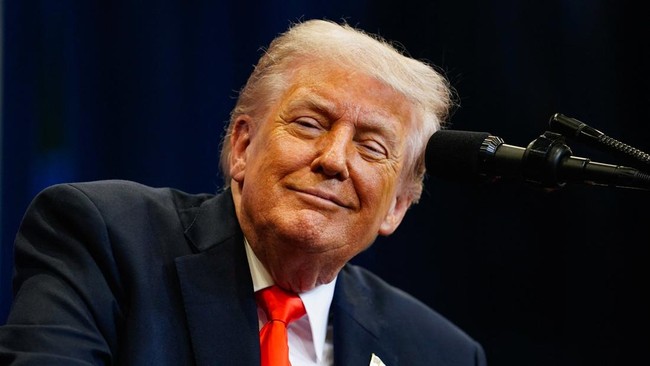
The geopolitical landscape of the Middle East remains defined by a complex, often volatile dance between Washington and Tehran. As international observers monitor the persistent tensions surrounding nuclear proliferation, regional security, and the crucial maritime artery of the Strait of Hormuz, the rhetoric between the United States and Iran has frequently oscillated between calls for diplomatic breakthroughs and threats of escalation. For those of us covering international relations, the situation represents one of the most enduring challenges to global stability, requiring a careful examination of how domestic political pressures and shifting alliances influence foreign policy outcomes.
Recent discourse has highlighted the recurring friction in U.S.-Iran relations, particularly as both nations navigate their respective internal political climates. The persistent question of whether a new framework for engagement can be established—or if the current impasse is the new baseline—remains at the forefront of the global conversation. Understanding this dynamic requires looking past the headlines and examining the structural barriers that have historically complicated direct negotiations, including the role of international mediators and the domestic political constraints faced by leaders in both capitals.
At the center of this narrative is the ongoing debate regarding the 2015 Joint Comprehensive Plan of Action (JCPOA) and the subsequent withdrawal of the United States from the agreement in 2018. The U.S. Government’s “maximum pressure” campaign, which involved the reimposition of extensive economic sanctions, fundamentally altered the trajectory of the relationship. According to official statements from the U.S. Department of State, the objective has consistently been to address Iran’s nuclear program, its ballistic missile development, and its regional activities through a comprehensive diplomatic approach, though progress has been stalled by deep-seated mutual distrust and conflicting demands for compliance. Read more on the U.S. Policy framework toward Iran via the Department of State.
The Diplomatic Impasse and Regional Security
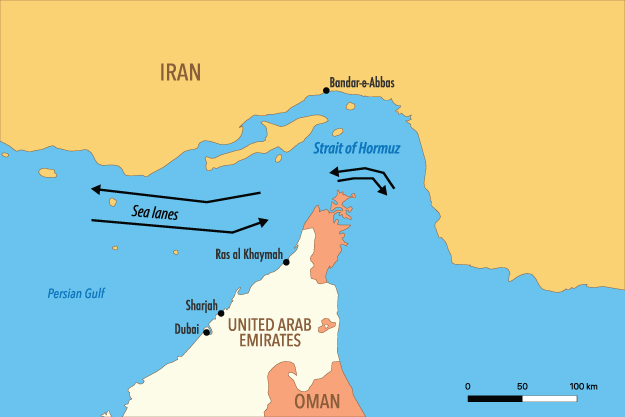
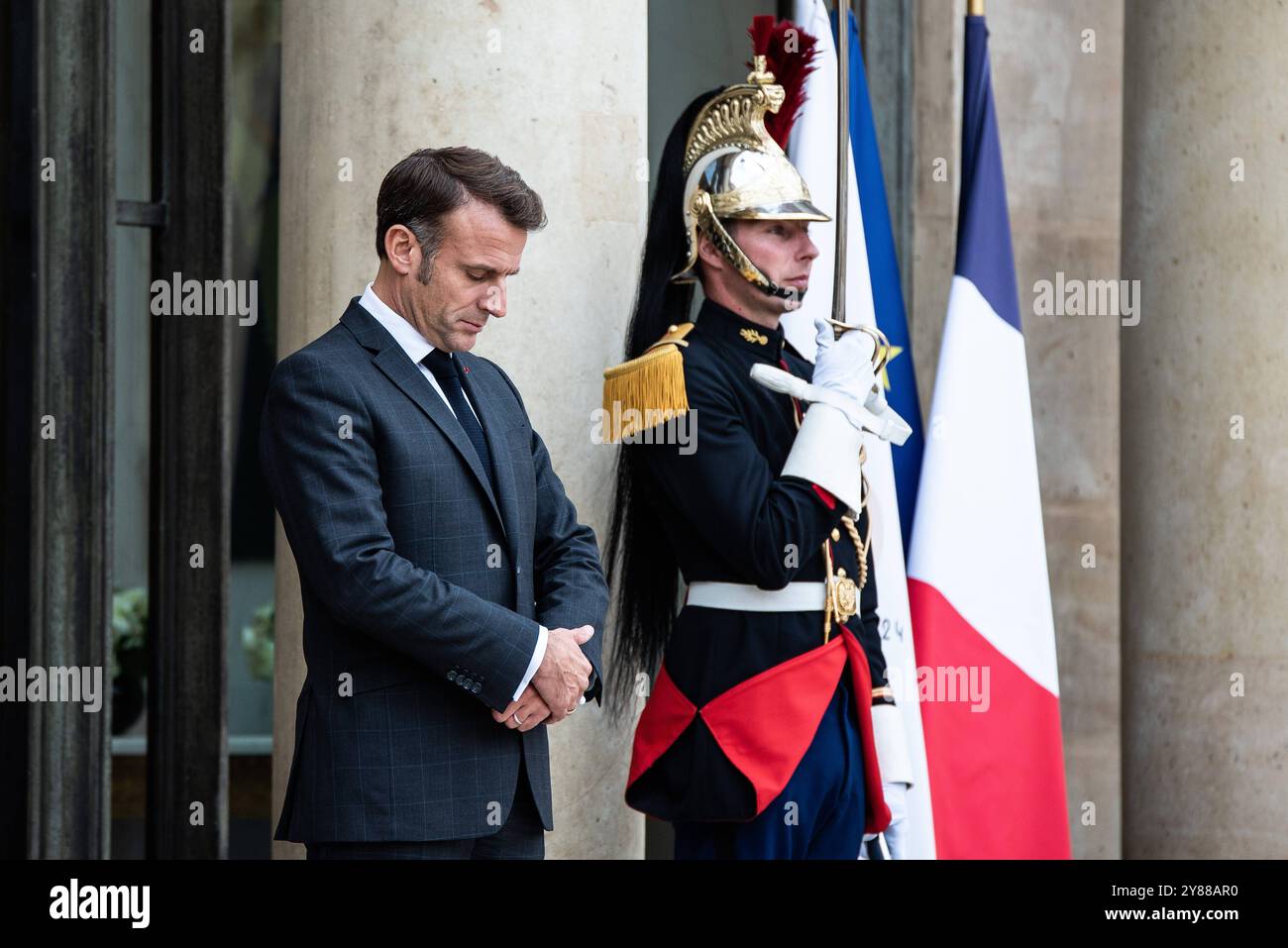
The Strait of Hormuz, a narrow waterway through which approximately 20% of the world’s total petroleum consumption passes, remains the most significant flashpoint for potential conflict. Throughout the past several years, the region has seen numerous incidents involving oil tankers and military posturing, leading to heightened concerns about the freedom of navigation. International leaders, including French President Emmanuel Macron, have frequently urged for a de-escalation of tensions, emphasizing the necessity of preserving global energy security and preventing a broader regional confrontation. Macron’s administration has consistently advocated for a return to dialogue, often acting as a bridge between the conflicting interests of the U.S. And Iran.

However, the path to a sustainable agreement is fraught with domestic political hurdles. In the United States, foreign policy toward Iran has become a significant point of contention, with different branches of government and political factions holding divergent views on the efficacy of sanctions versus diplomacy. These internal divisions often complicate the administration’s ability to present a unified front in international negotiations. Meanwhile, in Tehran, officials have maintained that any future engagement is contingent upon the removal of sanctions and the recognition of Iran’s rights under international law. The International Atomic Energy Agency (IAEA) continues to provide technical reports on Iran’s nuclear activities, which remain a primary focus for global regulators and security analysts. Access the latest reports on Iran’s nuclear program from the IAEA.
Domestic Pressures in Washington and Tehran
The rhetoric surrounding these negotiations is rarely just about the foreign policy itself; it is deeply intertwined with the political requirements of the leaders involved. In Washington, the administration must navigate a polarized legislative environment where any potential deal faces intense scrutiny from opponents who argue that prior agreements failed to address the full scope of Iran’s regional influence. This domestic pressure often limits the administration’s flexibility, making the pursuit of a “grand bargain” increasingly demanding.
Conversely, the Iranian leadership faces its own set of internal challenges, balancing the demands of hardline factions with the economic reality of a country under sustained international sanctions. The narrative of “resistance” against external pressure is a powerful tool in domestic politics, often used to consolidate support even as the government signals a willingness to engage in technical discussions. This dual-track approach—maintaining a defiant public stance while engaging in back-channel communications—has become a hallmark of the current era of U.S.-Iran relations.
What Lies Ahead: Analyzing the Global Impact
The impact of this standoff extends far beyond the Middle East. Global markets, particularly those sensitive to energy prices, remain reactive to any signs of increased tension in the Persian Gulf. The role of other global powers, including China and Russia, adds another layer of complexity. As these nations seek to bolster their own influence in the region, they often provide a diplomatic or economic counterweight to U.S.-led efforts, further complicating the prospects for a resolution that satisfies all stakeholders.
Looking forward, the international community continues to watch for any shifts in policy as election cycles and internal leadership changes occur in both nations. For the casual observer and the policy expert alike, the key is to differentiate between posturing intended for a domestic audience and substantive shifts in diplomatic strategy. As of the latest updates, there is no immediate indication of a breakthrough, and the status quo of “managed tension” appears likely to persist for the foreseeable future. The next significant checkpoint for this issue will likely involve the periodic reporting cycles of the IAEA and any subsequent debates within the United Nations Security Council regarding the status of regional sanctions. Review the United Nations Security Council’s guidelines on sanctions and international security.
Key Takeaways for the Global Community
- Geopolitical Volatility: The Strait of Hormuz remains a critical vulnerability in the global energy supply chain, with any escalation in U.S.-Iran relations posing a direct risk to global oil prices.
- Political Obstacles: Both the United States and Iran face significant internal political constraints that make formal, long-term diplomatic agreements difficult to reach and sustain.
- Institutional Oversight: The IAEA remains the primary authority for monitoring Iran’s nuclear activities, and its ongoing reports are essential for understanding the technical realities on the ground.
- Multilateral Complexity: The involvement of other global powers ensures that the U.S.-Iran relationship cannot be viewed in isolation; it is a component of a much larger, global power competition.
As we continue to track these developments, it is essential to rely on verified, transparent reporting. The nuances of international diplomacy are rarely captured in soundbites or inflammatory headlines. I invite our readers to share their perspectives in the comments section below and to stay engaged with our ongoing coverage of these critical global affairs. Understanding the complexity of these relationships is the first step toward informed global citizenship.
Keep reading