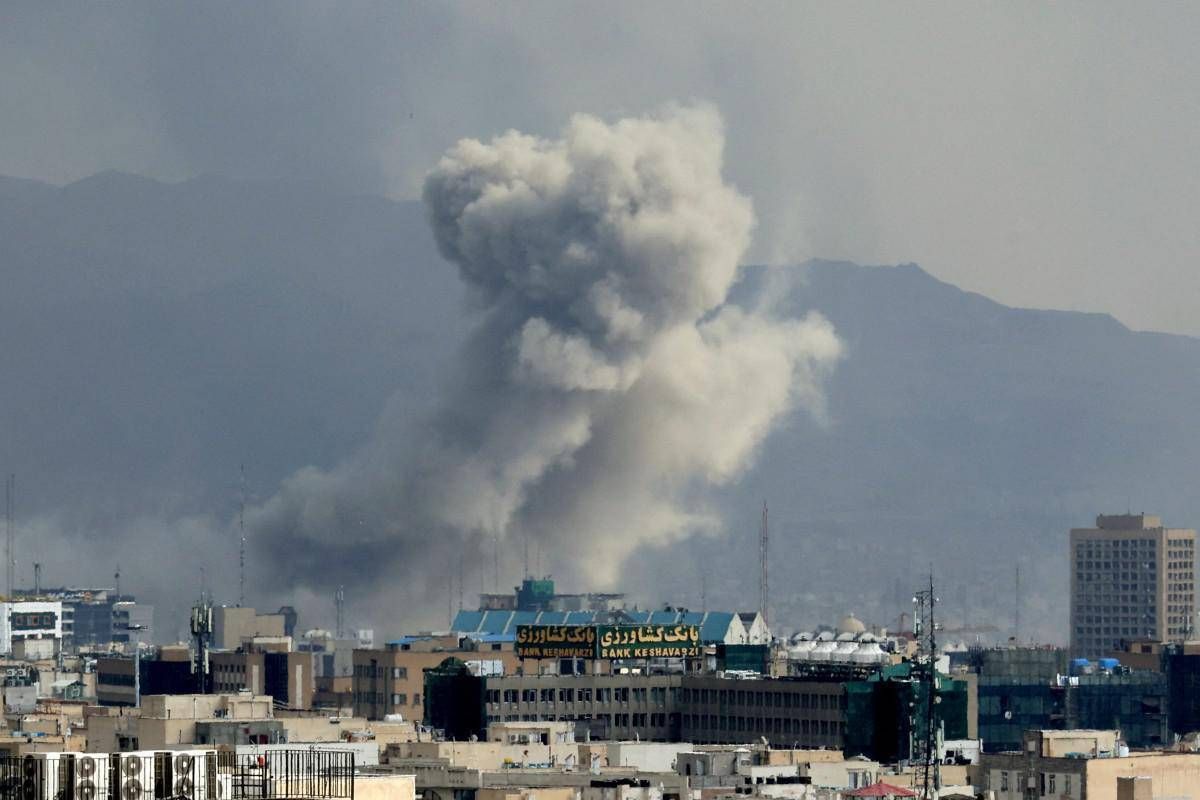
The specter of conflict in the Middle East loomed large in late February and early March 2026, as a coordinated military operation by the United States and Israel against Iranian targets unfolded. Even as initial reports indicated the strikes occurred on February 28th, newly surfaced information reveals that a launch date a week prior was initially planned, delayed due to a complex interplay of operational considerations, intelligence assessments, and diplomatic maneuvering. This delay, according to sources, provided a crucial window for last-ditch diplomatic efforts, though ultimately failed to prevent the escalation of tensions. The situation remains volatile, with ongoing exchanges and a heightened risk of regional instability.
The planned initial strike date of February 21st was postponed, not due to a single factor, but a confluence of circumstances. Weather conditions were cited as a contributing element, though sources suggest the primary driver for the delay stemmed from a request by the United States for greater coordination with the Israel Defense Forces. This request, as reported by Axios, underscores the intricate planning and the high stakes involved in such a significant military undertaking. The delay also allowed for further intelligence gathering, specifically concerning the location of Iran’s Supreme Leader, Ayatollah Ali Khamenei, with concerns that he might relocate to a secure underground bunker.
Initial Plans and the Delay
Prior to February 17th, when the second round of US-Iran talks concluded without substantial progress, military strategists in both the US and Israel were preparing for a potential attack. The initial target date was set for February 21st, just four days after the conclusion of the talks. Yet, the green light was never given. A high-ranking Trump administration official, speaking on background, described the preceding two weeks as “very up and down,” dismissing suggestions that the delay was due to astrological factors or mere chance. The official acknowledged that weather played a role, but emphasized that the primary concern for Israeli intelligence was ensuring Khamenei’s vulnerability.
The intelligence assessment revealed a desire by the US and Israel to create a perception of an imminent attack, hoping to encourage Khamenei and other Iranian leaders to remain in predictable locations. The rationale, according to an Israeli intelligence official, was to avoid forcing them into hardened bunkers, making them more hard to target. Surprisingly, reports indicated that Khamenei did not, in fact, relocate to a secure facility, a revelation that reportedly surprised US officials. This unexpected outcome may have influenced the final decision to proceed with the strikes a week later.
Diplomacy as a Holding Pattern?
The week-long delay also coincided with a renewed push for diplomatic resolution. However, differing perspectives emerged regarding the true intent of these negotiations. Some Israeli officials reportedly viewed the talks in Geneva as a means of buying time until the revised attack date, aiming to present the appearance of continued diplomatic efforts while preparing for military action. This perspective suggests that the US and Israel were not genuinely seeking a breakthrough in negotiations, but rather using them to manage perceptions and maintain flexibility.
Conversely, other sources within the Trump administration contested this characterization, asserting that the diplomatic efforts were sincere, despite skepticism from key negotiators Jared Kushner and Steve Witkoff. While acknowledging their doubts about achieving a meaningful agreement, these officials maintained that the US was not deliberately misleading Iran. A final proposal presented by Kushner and Witkoff was rejected by Iranian representatives, prompting President Trump to authorize the military operation.
The February 28th Strikes and Immediate Aftermath
On February 28th, the United States and Israel launched a series of coordinated bombardments against targets within Iran. The attacks targeted military, intelligence, and governmental sites across the country, as reported by Euronews. President Trump described the operations as “significant combat operations,” accusing Iran of developing missiles capable of reaching Europe and calling on the Iranian people to “take control of their country.” Israeli Prime Minister Benjamin Netanyahu echoed this sentiment, stating that the operation aimed to create conditions for Iranians to “take their destiny into their own hands.”
Initial reports from Iranian media indicated attacks throughout the country, including near the Supreme Leader’s compound in Tehran. Streets leading to Khamenei’s headquarters were closed by authorities, and explosions were reported in the capital. The extent of the damage and any potential casualties remain unclear, though the attacks represent a significant escalation of tensions in the region. In response to the strikes, Iran launched retaliatory attacks involving missiles and drones targeting Israel and US military bases in the Gulf region.
Escalation and Regional Implications
The conflict quickly expanded beyond direct attacks between the US, Israel, and Iran. According to La Stampa, Israel launched hundreds of bombs on Tehran, creating a “fire belt” around key regime targets. The capital city reportedly experienced a complete power outage. A British military base in Akrotiri, Cyprus, was targeted by drones launched by pro-Iranian militias operating in Lebanon. While no casualties were reported at the base, the incident demonstrates the broadening scope of the conflict.
The situation is further complicated by reports of US aircraft being shot down in Kuwait, with pilots safely ejecting. Four US casualties have been reported thus far in the operation. Greece has dispatched two frigates to assist in the defense of Cyprus following intercepted Iranian drone attacks. The conflict has also had a significant economic impact, with European stock markets experiencing declines and oil and gas prices surging. The potential for further escalation and wider regional involvement remains a serious concern.
The Role of Intelligence and Planning
The initial delay in the planned attack highlights the critical role of intelligence gathering and strategic planning in modern warfare. The US and Israel’s concern over Khamenei’s potential relocation underscores the importance of understanding the adversary’s decision-making process and anticipating their reactions. The decision to postpone the strikes, despite the potential for diplomatic repercussions, demonstrates a willingness to prioritize operational effectiveness and minimize risks. The intelligence assessment regarding Khamenei’s movements, while initially a concern, ultimately proved to be a factor in the timing of the operation.
The Impact on Nuclear Negotiations
The escalation of military conflict has effectively derailed ongoing nuclear negotiations with Iran. While the talks in Geneva were already facing significant challenges, the attacks have likely eliminated any remaining prospects for a near-term agreement. The Trump administration’s stated rationale for the military operation – to prevent Iran from developing nuclear weapons – suggests a shift towards a more confrontational approach. The future of nuclear diplomacy with Iran remains uncertain, and the risk of further proliferation is now significantly heightened.
Key Takeaways
- The US-Israel military operation against Iran was initially planned for February 21st but was delayed due to operational and intelligence considerations.
- The delay allowed for a final round of diplomatic talks in Geneva, though these ultimately failed to prevent the escalation of conflict.
- Intelligence assessments regarding the location of Ayatollah Ali Khamenei played a role in the timing of the operation.
- The conflict has expanded beyond direct attacks between the US, Israel, and Iran, with regional implications and economic consequences.
- The future of nuclear negotiations with Iran is now highly uncertain.
As of March 3, 2026, the situation remains fluid, and unpredictable. The international community is closely monitoring developments, and further diplomatic efforts are likely to be undertaken in an attempt to de-escalate the conflict. The next key development to watch for will be the response from the United Nations Security Council, which is scheduled to convene an emergency session on March 5th to discuss the crisis.
What are your thoughts on the evolving situation in the Middle East? Share your perspectives in the comments below, and please share this article with your network to preserve the conversation going.
Related reading