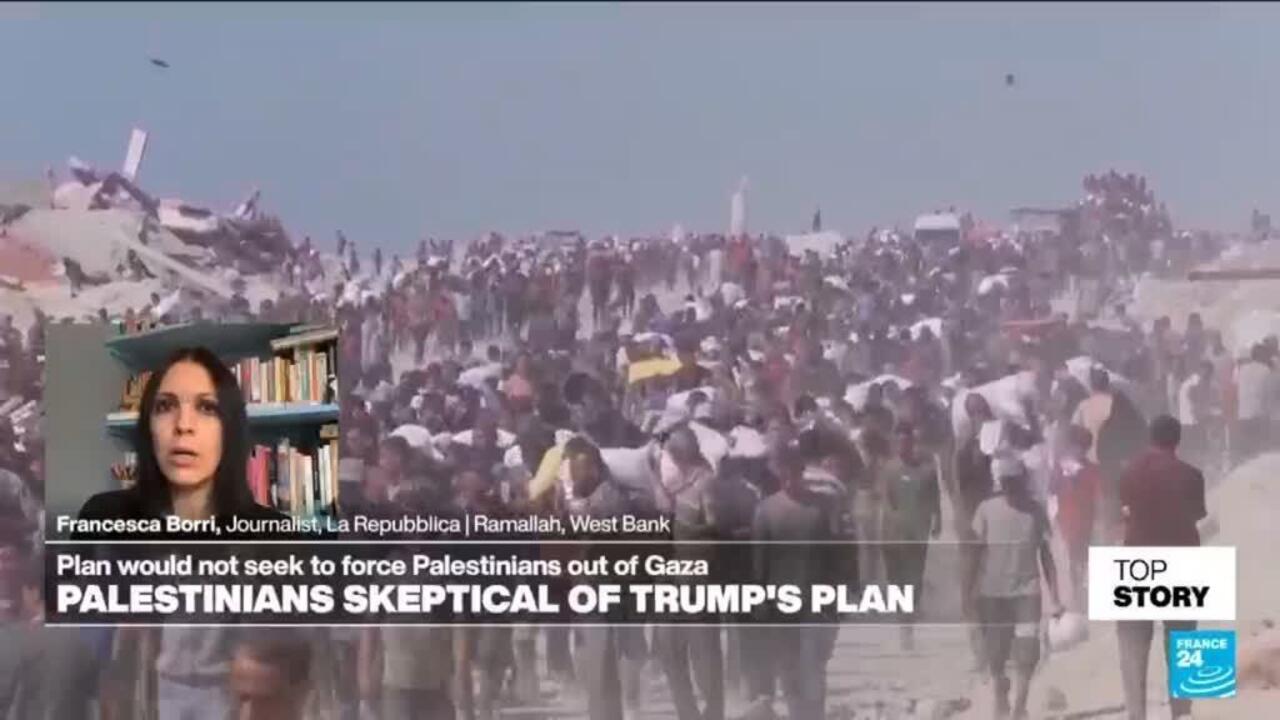
The Looming Fate of Palestine: Is gaza’s Post-War Plan a Path to Dissolution?
Are you concerned about the future of Palestine and the unfolding situation in Gaza? The proposed post-war plans, while framed as solutions, are raising serious questions about Palestinian sovereignty and the vrey possibility of a two-state solution. This isn’t simply a political debate; it’s a potential turning point with profound implications for the region and the international order. let’s delve into the complexities, dissect the current proposals, and explore what this means for you and the future of the Israeli-Palestinian conflict.
Understanding the Post-War Proposals for Gaza
Currently, the dominant plan emerging from discussions between the US and Israel centers around a significant restructuring of Gaza’s governance.It envisions a phased approach, initially focused on security and reconstruction, but ultimately aiming for a long-term solution that avoids a return to the status quo ante. However, a critical examination reveals several concerning elements.
* Lack of Enforceable Commitments: The proposals largely rely on assurances rather than legally binding agreements. This creates a significant risk that promises of reconstruction and improved living conditions will remain unfulfilled.
* Internationally Administered Zone: A key concern is the potential for Gaza to become an internationally administered zone. This would effectively strip Palestinians of self-determination and place their future in the hands of external actors.
* Sidelining Palestinian Sovereignty: The current framework appears to bypass the need for genuine Palestinian self-governance, potentially solidifying a situation where Palestinians lack control over their own destiny.
* Reliance on the Palestinian Authority: The plan leans heavily on bolstering the existing Palestinian Authority (PA). However, the PA faces significant challenges, including widespread corruption and a lack of popular legitimacy.
Essentially, the current trajectory risks transforming Gaza into a dependent territory, rather than a viable, independant state. This isn’t about building a future for Palestinians; it’s about managing a problem.
The Geopolitical Calculus: Why is This Happening?
Several factors contribute to this concerning situation. Understanding these dynamics is crucial to grasping the full scope of the challenge.
* Arab Regime Alignment: Many Arab regimes, fatigued by decades of conflict and driven by strategic interests, are largely aligning with the US-Israeli position. This lack of unified Arab opposition weakens the Palestinian negotiating position.
* European Complicity: European donors continue to provide financial support to the PA, despite its shortcomings. This inadvertently sustains a system that many Palestinians view as corrupt and ineffective.
* The Illusion of Stability: The focus on short-term stability often overshadows the need for a just and lasting solution.This allows for the perpetuation of a status quo that ultimately benefits no one.
* A Shift in Priorities: The international community’s attention span is limited. The urgency surrounding the Israeli-Palestinian conflict frequently enough wanes, allowing for the erosion of Palestinian rights and aspirations.
These factors create a dangerous surroundings where symbolic gestures of solidarity are no longer sufficient. Real change requires a fundamental shift in approach.
The Real Danger: The Definitive End of Palestine?
The most alarming prospect is that these plans represent a deliberate attempt to dismantle the possibility of a Palestinian state through diplomatic means.It’s a quiet, insidious process, masked by rhetoric of peace and reconstruction.
Consider this: if Gaza is effectively absorbed into an internationally administered zone, and the PA remains weakened and ineffective, what future remains for Palestinian self-determination? The answer, regrettably, is increasingly bleak.
You might be asking yourself, “What can be done?” The answer lies in demanding accountability, advocating for genuine Palestinian rights, and challenging the prevailing narrative that prioritizes stability over justice.
What You Can Do: Taking Action for Palestine
Feeling powerless in the face of such complex geopolitical forces is understandable. However, your voice and actions do matter. Here’s how you can contribute to a more just outcome:
- Stay Informed: Continue to educate yourself about the